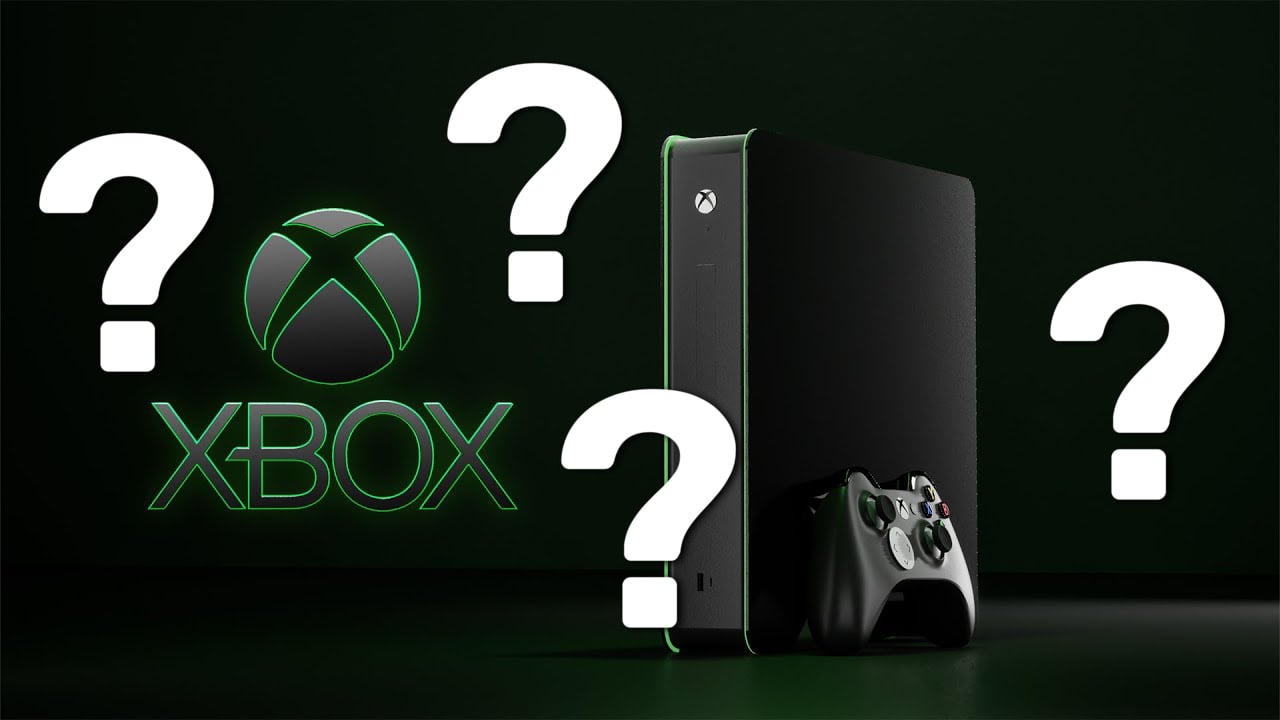
AMD CEO Lisa Su has stated that development of Microsoft’s next-generation Xbox console is progressing well and is currently aligned to support a 2027 launch window. The comment was shared during an earnings call as part of a broader update on AMD’s partnerships and upcoming hardware initiatives.
“From a product standpoint, Valve is on-track to begin shipping its AMD-powered Steam Machine early this year, and development of Microsoft’s next-gen Xbox featuring an AMD semi-custom SoC is progressing well to support a launch in 2027,” Su said.
The statement provides one of the clearest public acknowledgments to date regarding the timeframe for Microsoft’s next-generation console hardware. It also aligns with recent reports suggesting Microsoft may be moving faster than earlier internal timelines that pointed toward 2028.

Beyond the release window, industry chatter suggests Microsoft is exploring a departure from traditional console design. The next-generation Xbox is widely rumored to embrace a hybrid philosophy that blends high-end local processing with deeper cloud integration. Rather than being a straightforward successor to the Xbox Series X, the system is expected to place greater emphasis on flexibility and ecosystem integration.
One of the more persistent claims is that Microsoft is leaning toward a Windows-based foundation for its next console. Under this approach, the system could function as a “console-PC” hybrid, potentially capable of running native PC applications while still offering a curated, full-screen gaming interface designed for living room use. The goal, according to these reports, is to narrow the gap between the openness of PC platforms and the simplicity of traditional consoles.
Hardware leaks have pointed to a next-generation APU codenamed “Magnus,” reportedly based on Zen 6 CPU architecture and RDNA 5 graphics. Some claims suggest configurations of up to 48GB of GDDR7 memory, though rising component costs and global memory supply constraints are cited as potential obstacles that could impact final specifications or timing.
Taken together, Lisa Su’s comments and the surrounding reports suggest Microsoft is positioning its next-generation Xbox hardware as something more ambitious than a traditional console refresh. Whether delivered as a premium living room system, a portable device, or both, the next Xbox appears to be aimed at bridging console convenience with PC-level versatility, with 2027 now emerging as the key target year.