The U.S. video game industry recorded a mixed performance in November 2025, with overall consumer spending declining despite the release of several high-profile titles. According to Circana data covering the period through November 29, total video game spending reached $5.86 billion for the month, representing a 4 percent decrease compared to the same period last year.
The decline was driven primarily by hardware and accessories. Hardware spending fell sharply by 27 percent year over year to $695 million, while accessories dropped 13 percent to $327 million. Software content, however, showed resilience. Content spending increased 1 percent year over year to $4.84 billion, indicating that consumers continued to invest in games even as they pulled back on new hardware purchases.
Circana’s Mat Piscatella summarized the trend by stating, “November 2025 U.S. Video Game Total Spending – Total projected spending across video game hardware, content and accessories fell 4% when compared to a year ago, to $5.9 billion. Hardware, accessory and console content declines drove the change.” He also highlighted shifting purchasing patterns, noting that the average price paid for new video game hardware rose significantly over time, from $235 in November 2019 to $439 in November 2025, while unit sales dropped from 3.9 million to 1.6 million units over the same comparison.

Despite the monthly slowdown, year-to-date performance remains relatively stable. Total U.S. video game spending for 2025 has reached $52.9 billion, up 1 percent compared to 2024. Hardware spending is still ahead year over year, with a 10 percent increase YTD, even though November’s results suggest momentum may be easing as the market shifts deeper into a software-driven cycle.
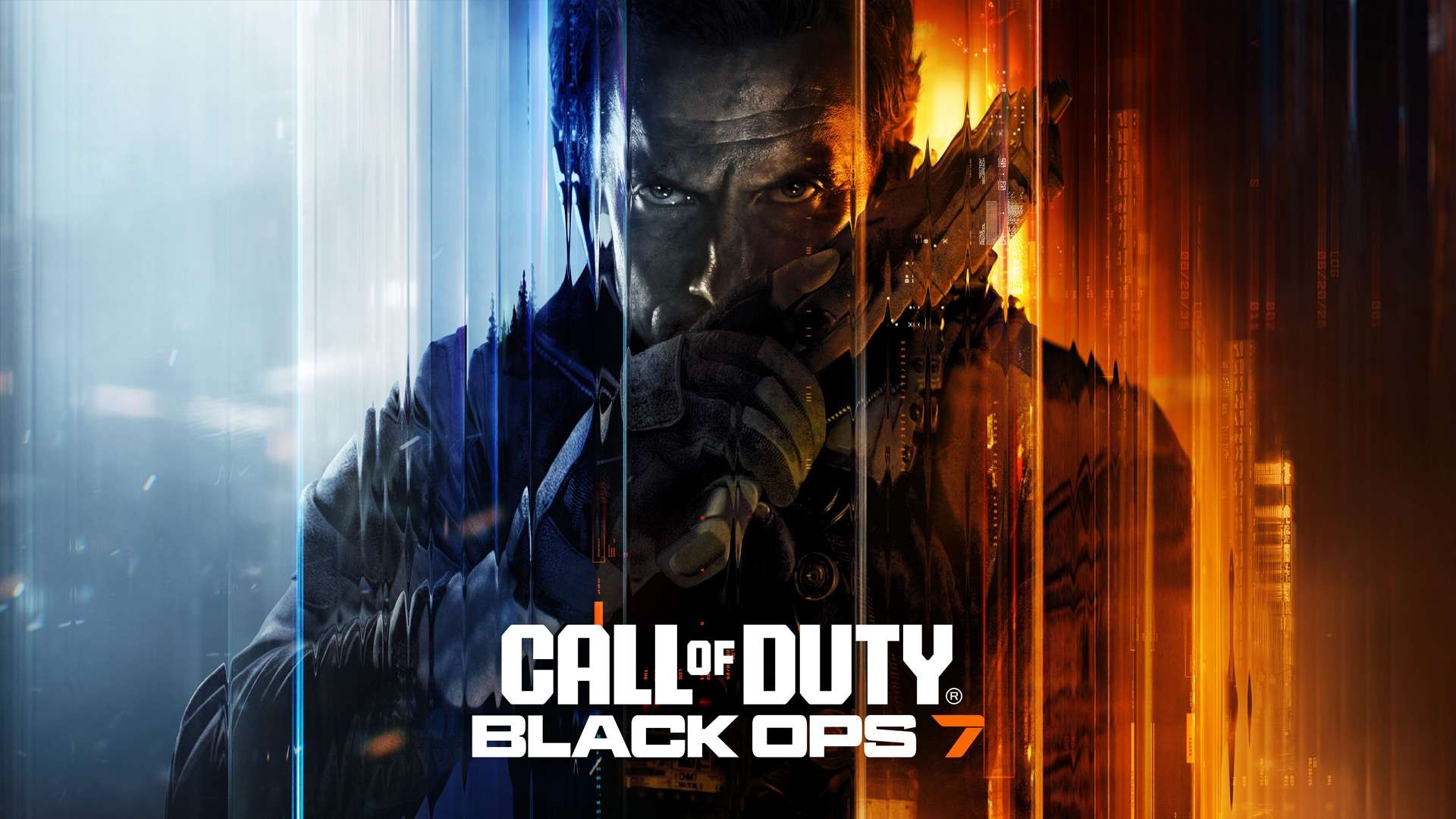
On the software side, November belonged to Call of Duty Black Ops 7, which debuted at number one on the monthly sales chart. The release continued a long-standing trend for the franchise. Circana confirmed that the launch marked the eighteenth consecutive year in which a Call of Duty title was the best-selling game of its release month. Battlefield 6 followed closely behind at number two, while sports titles such as NBA 2K26, Madden NFL 26, and EA Sports FC 26 rounded out much of the top five.
Nintendo also secured a strong presence in the top twenty with titles including Pokémon Legends Z-A, Kirby Air Riders, Hyrule Warriors Age of Imprisonment, and Donkey Kong Bananza. Meanwhile, older releases like Grand Theft Auto V continued to chart, landing at number seventeen for the month, an outcome that still draws attention given its age.
Looking at the full year rankings, Battlefield 6 currently leads all titles in U.S. dollar sales for 2025. It is followed by NBA 2K26 and Monster Hunter Wilds, with sports and shooter franchises dominating much of the top twenty. Call of Duty Black Ops 7 sits at number seven year to date, reflecting its late release window.
Overall, November 2025 reinforced a familiar pattern for the industry. Software remains the backbone of consumer spending, while hardware faces growing pressure from higher prices and slower unit sales. As Piscatella dryly observed, “Correlation does not necessarily imply causation… unless it does.”