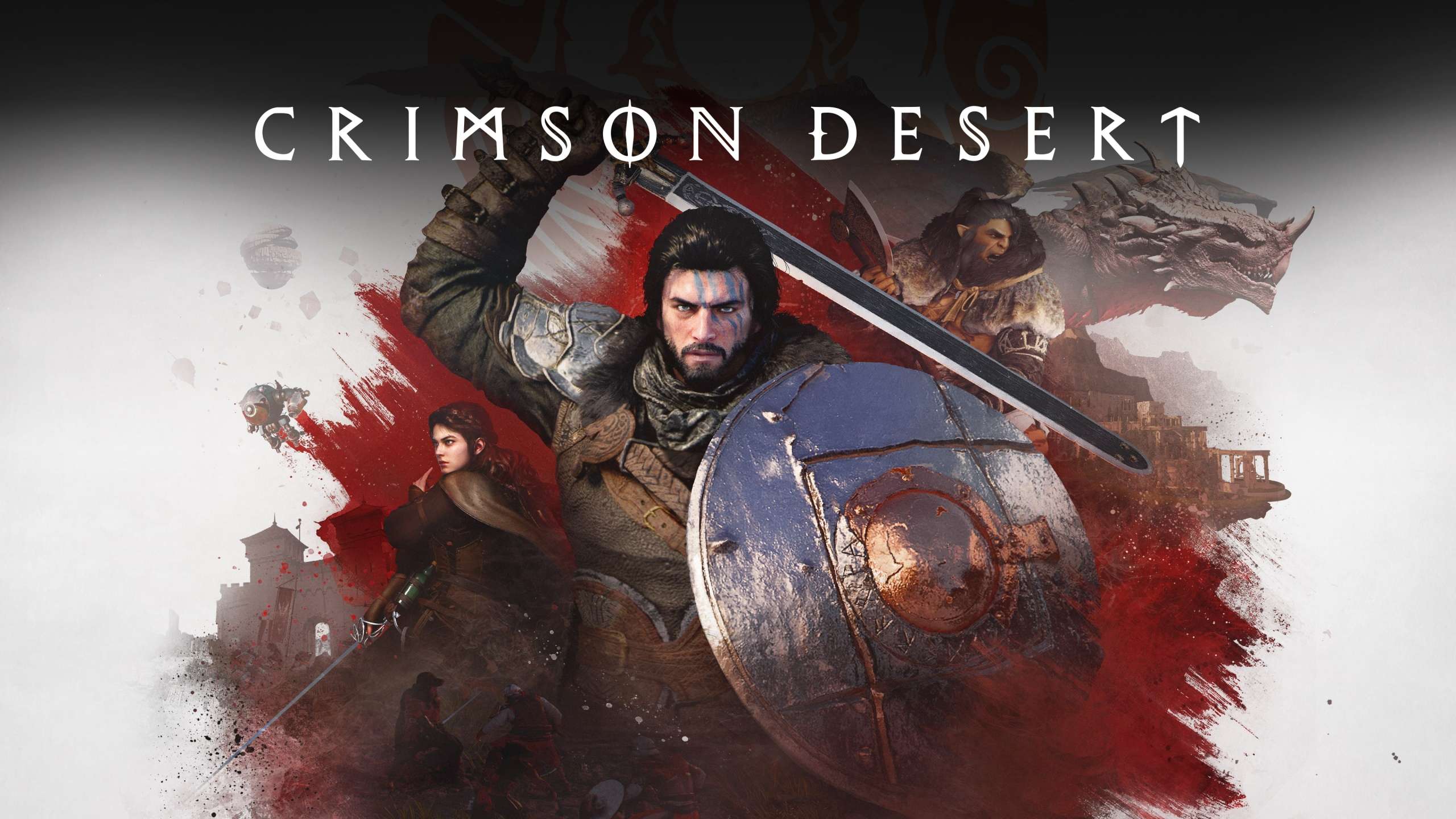
Developers behind Pearl Abyss’ action-adventure game, Crimson Desert, have shared details on the game’s confused narrative and “off-the-rails” development.
Two anonymous developers who worked on Crimson Desert at Pearl Abyss have come forward on Blind (via ChiefLeef22 on Reddit), a website only verified industry professionals can access, sharing a critical look at the game’s messy narrative and troubled development. Their accounts give the impression of a project plagued by shifting direction, a muddled narrative, and what they describe as a culture of “toxic positivity” that prevented meaningful feedback from surfacing.

According to one developer, “the story was not decided until right before release,” which had a cascading effect on the entire project. This essentially explains why marketing materials struggled to present a cohesive narrative and why, despite the title, “there is no talk about the ‘Crimson Desert’ in Crimson Desert.” The developer further noted that even the protagonist, Kliff, was originally conceived differently, stating that he “was originally named ‘Macbeth,’ but the name was changed because it [had a] serial killer vibe.”
The narrative initially followed a young, dethroned king seeking to reclaim power with the help of the Grey Mane Mercenaries, alongside political intrigue involving betrayal and control over a valuable mineral resource unique to the Crimson Desert. However, this version of the story was abandoned after internal disruption. “In the middle of it, a director was pushed out in a power struggle and resigned,” the developer explained, adding that a new general manager with an art-focused background “started overturning everything.”
As per the developer, this shift in leadership led to a design philosophy driven more by visual appeal than coherent gameplay or storytelling. Features were allegedly added based on surface-level inspiration rather than understanding. “If it looks cool, they just put it in,” they said, criticizing what they described as a shallow approach to game design.
Another developer corroborated these concerns, describing a corporate structure that discouraged dissent. Leadership at Pearl Abyss was likened to an “inverted pyramid,” where conformity was prioritized. “A Leader has to be someone who looks in the same direction we do,” they were told, meaning, in practice, those who “unconditionally say ‘Yes,’ follow orders, and never talk back.” They argued that this environment contributed directly to the game’s decline. “I believe most of my colleagues… were aware that Crimson Desert was going off the rails. However, I don’t think many were in a position to speak up about it.” As a result, the game became “a hodgepodge of features crammed together,” lacking a clear vision or direction.