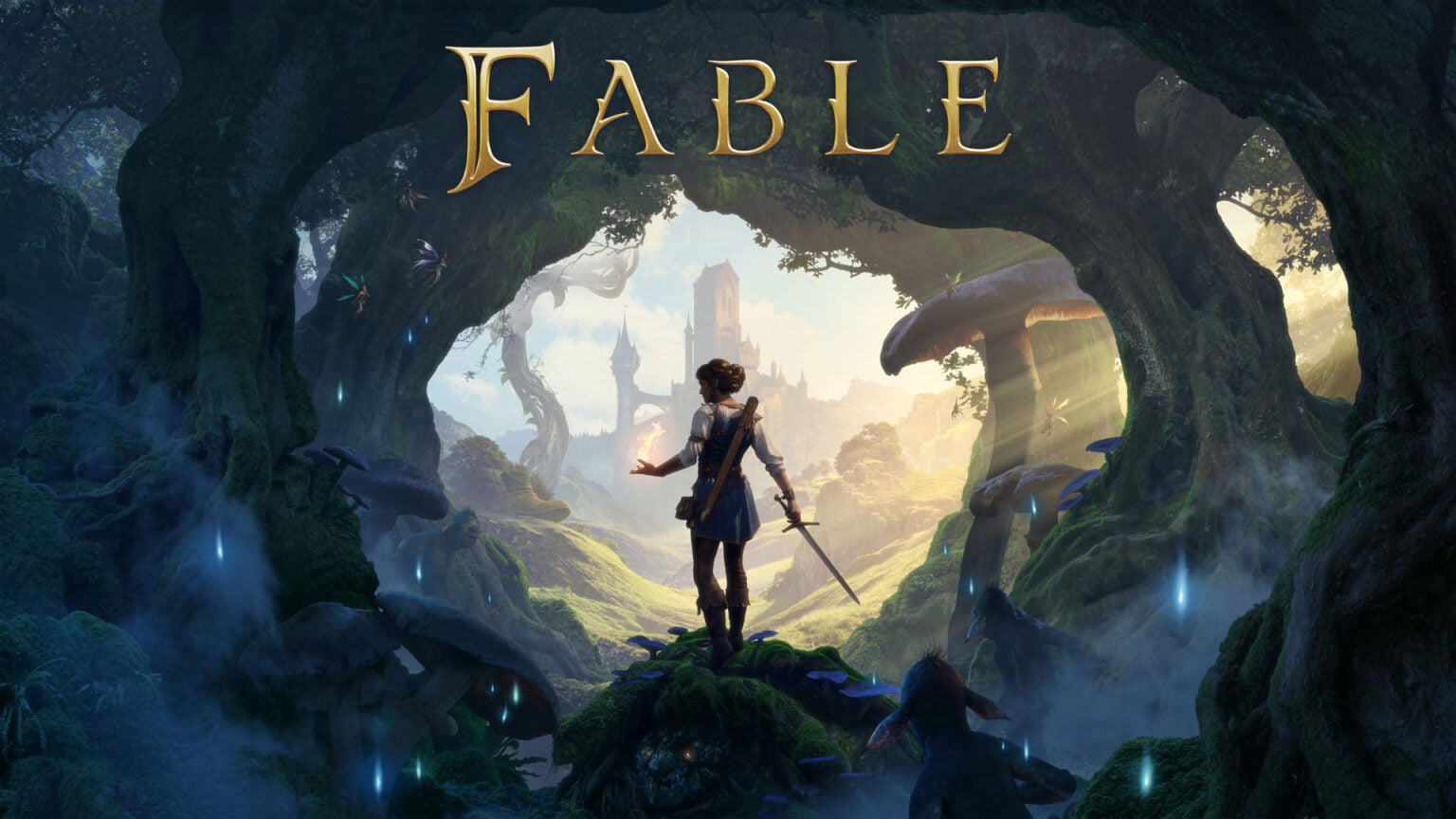
Playground Games has offered its most detailed look yet at Fable, confirming that the long-awaited reboot of the classic action RPG series will launch this Autumn. The game is positioned as a fresh starting point for the franchise and is set to release on Xbox Series X and S, PC, Xbox Cloud, Steam, PlayStation 5, and Xbox Game Pass Ultimate, with full Xbox Play Anywhere support included.
The extended showcase took place during Xbox Developer Direct, where the studio outlined its vision for rebuilding Fable from the ground up while preserving the tone and identity that defined the original trilogy. Developed by a dedicated new team at Playground Games, the project has been described internally as a new beginning rather than a continuation of the existing timeline. According to the studio, this approach allows greater creative freedom to reimagine Albion without being constrained by past events or characters.
At the heart of this reboot is a renewed focus on what the developers consider the core pillars of Fable. Rather than aiming for traditional high fantasy, the team is leaning heavily into a fairytale tone. The world is built around intimate stories, ordinary people, and the personal consequences of magic entering everyday life. This philosophy influences everything from visual design to narrative structure and character interactions, creating a world that feels whimsical, grounded, and distinctly British in its humor and delivery.

The game opens in familiar fashion, with players beginning their journey as a child before discovering their heroic abilities. After a time jump, the story resumes in adulthood in the village of Briar Hill. The inciting event revolves around a mysterious stranger who turns the entire village, including the protagonist’s grandmother, into stone. With little guidance beyond a reference to Bowerstone and the Heroes’ Guild, players are free to pursue the main story at their own pace or ignore it entirely in favor of exploration.
Playground Games has emphasized that Fable is fully open world from the moment players leave their starting village. There are no traditional level gates or locked regions, and progression has been designed to ensure that every settlement offers meaningful activities regardless of when it is visited. The main story is structured without urgency, allowing players to engage with side activities, settle down, take on jobs, or simply wander Albion without penalty.
Combat has also received a significant overhaul. Building on the series’ classic blend of melee, ranged, and magic combat, the new system introduces what the developers call style weaving. Players can fluidly transition between swords, bows, and spells without interruption, encouraging experimentation and tactical decision-making. Encounters are designed around groups of enemies with distinct strengths and weaknesses, often creating emergent moments where enemy behavior and environmental interactions lead to unexpected outcomes.
Morality, a defining feature of the original games, returns in a more nuanced form. Instead of a binary good or evil meter, the new system is built around reputation. Actions witnessed by others shape how characters perceive the player, with different settlements forming their own views based on local values. Behaviors such as generosity, theft, or even the series’ infamous chicken kicking can result in unique reputations that influence social interactions, romance options, shop prices, and general treatment by NPCs.

This reputation-driven design ties closely into the game’s Living Population system, which features over 1,000 persistent NPCs. Each character has a name, routine, job, home, and personality, contributing to settlements that function as living communities rather than static backdrops. These NPCs react dynamically to player behavior, and while they are not required for story progression, they add depth for players who choose to engage deeply with the world’s systems.
British humor remains a central component of Fable’s identity. The developers have drawn inspiration from well-known British comedies, using dry wit, awkward delivery, and situational comedy throughout the game. This includes a mockumentary-style presentation used not only in marketing materials but also within the game itself, offering a unique way to deliver jokes and character development without disrupting gameplay flow.
While the Developer Direct focused primarily on answering long-standing questions, Playground Games has confirmed that more information will be shared ahead of launch. Future updates are expected to explore the main story in greater depth, introduce the game’s cast, and expand on systems such as progression, exploration, weapons, and the social and economic mechanics that underpin Albion.
With its Autumn release window now confirmed, Fable is shaping up to be a comprehensive reimagining of a beloved franchise, blending modern open-world design with the humor, freedom, and personality that long-time fans associate with the series.