Final Fantasy VII director Yoshinori Kitase has revealed the two important things he paid special attention to when conceiving the Remake trilogy.
In a recent interview (via Genki_JPN on Twitter/X) conducted by Famitsu Editor-in-Chief Tadashi Miyokawa, two of Japan’s most influential RPG creators Yuji Horii (Dragon Quest) and Yoshinori Kitase (Final Fantasy) reflected on the challenges and philosophies behind re-imagining genre-defining classics. During the discussion, Kitase highlighted the two most important points he focused on when conceiving the Final Fantasy VII Remake trilogy.

Firstly, the original Final Fantasy VII used an ATB (Active Time Battle) system, a command-based structure for combat. When working on the remake, Kitase explained that the development team was conflicted about whether to push the combat into action territory to meet modern expectations, or whether to remain faithful to the original’s command-driven roots. The goal was to balance both approaches. Rather than abandoning ATB, the remake integrates action elements while preserving the original system as the strategic core, ensuring battles feel fast and dynamic without losing the essence of the original.
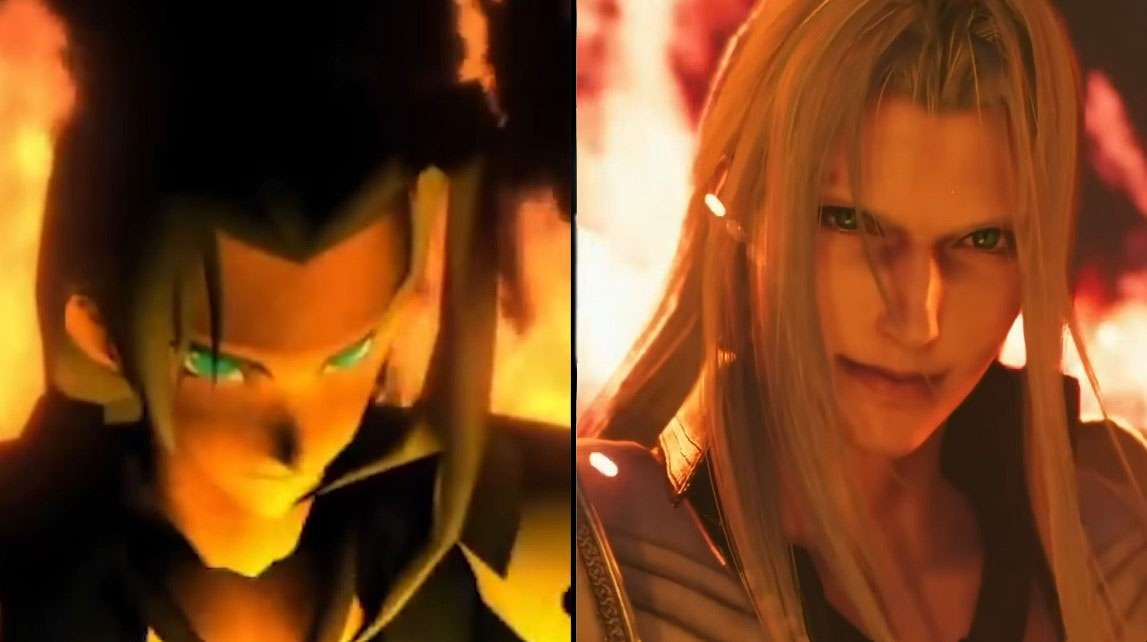
Secondly, the Final Fantasy VII Remake trilogy producer mentioned that certain scenes from the original Final Fantasy VII hold emotional significance for players, having been idealized in their memories over decades.. These moments, he said, were “absolutely essential” and had to be preserved. While the remake trilogy expands, reinterprets, and re-frames the narrative through modern world-building and storytelling, it retains these essential parts, satisfying fans of the original. At the same time, the development team aimed to make the experience fully accessible to newcomers experiencing the story for the first time.
Kitase noted that being overly bound by established impressions of the original could limit creativity, even becoming detrimental to the project. His earlier statement that “Midgar could be significantly altered” was intended as a symbolic message to the development team that while the original should be respected, he didn’t want everyone to be “too bound by it”.