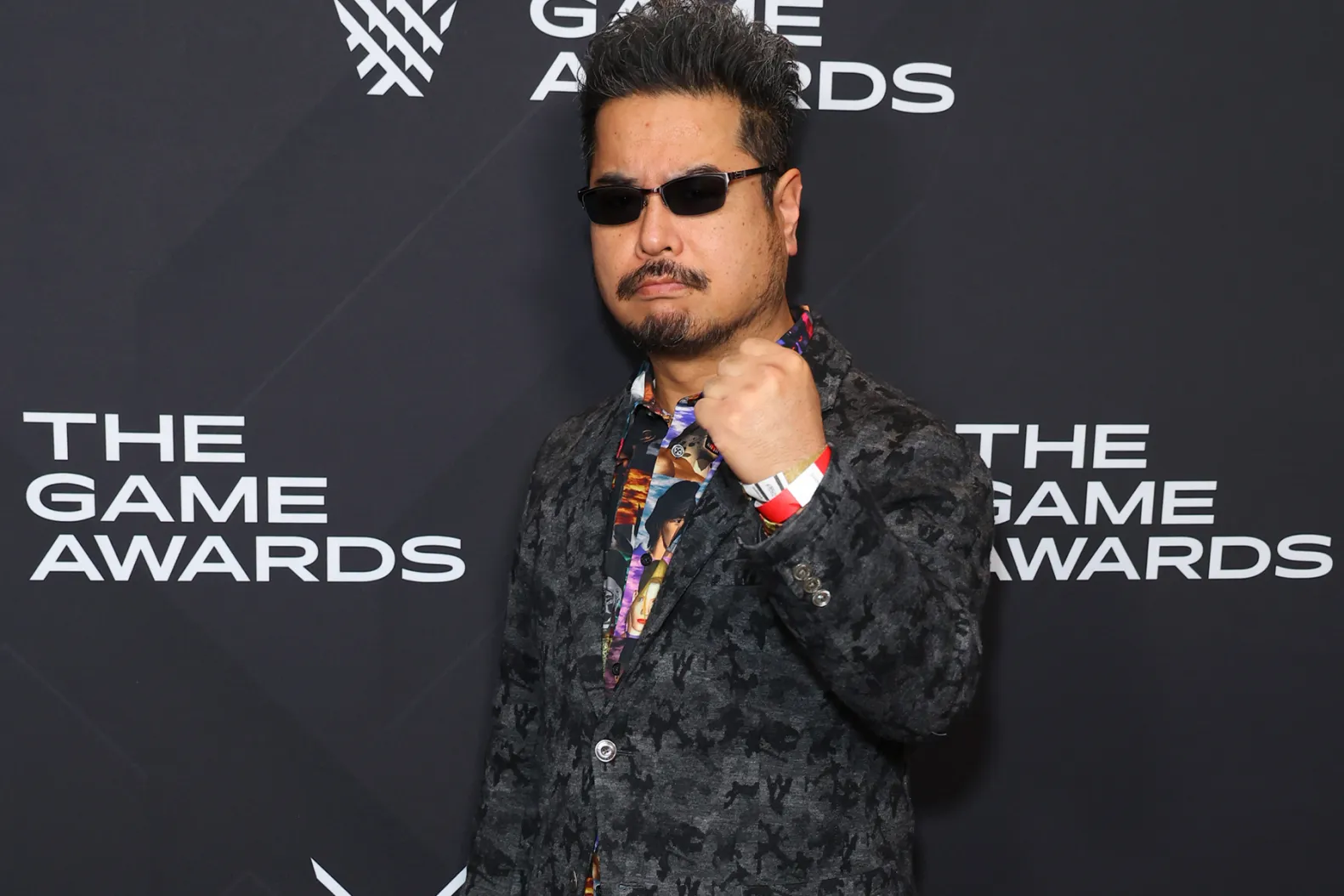
Former Tekken director Katsuhiro Harada has publicly responded to a viral AI-generated video that attempts to explain the Tekken series storyline, offering a broader reflection on technology, creativity, and how AI should be evaluated within game development. His comments were shared directly in response to a social media user who suggested that some AI-generated Tekken videos do a better job of presenting the story than the games themselves.
Harada pushed back strongly against that assessment, arguing that such reactions reflect a misunderstanding of technological history and creative processes. He stated that judging only the final output, without understanding how and why something was created, leads to shallow conclusions. According to Harada, this kind of thinking says more about how people approach learning than it does about the quality of the work being judged.
To illustrate his point, Harada compared the reaction to anachronistic criticisms of historical events and older films. He likened it to questioning why ancient battles did not use modern weaponry, or mocking pre-1980s films for lacking drones and CGI. He described these comparisons as painfully clueless, emphasizing that creative works must be evaluated within the context of their time, tools, and intent.

Addressing the AI-generated video directly, Harada explained that such content exists only because it is trained on visuals and stories created by the original development team. While the output may appear visually impressive at first glance, he noted that character interpretations differ significantly from the original intent. He also pointed out inconsistencies in visual expression and described the language as unnatural, comparing it to exaggerated localization errors rather than meaningful storytelling improvements.
Harada acknowledged that there are aspects of AI worth recognizing, particularly the rapid pace of its technical advancement and its increasing cost efficiency. He described these developments as genuinely impressive and deserving of attention. However, he made it clear that these strengths do not equate to superior creative execution, nor do they justify claims that AI-generated summaries or videos are doing a better job than the original games.
Reflecting on the future, Harada stated that game development is inherently tied to technology, making convergence with AI inevitable. He framed this not as a threat, but as a continuation of past technological shifts. Drawing from personal experience, he recalled his early excitement when Photoshop was first released, believing it would end hand drawing entirely. Looking back, he described that mindset as naive, concluding that the current reaction to AI mirrors his own past assumptions.
In closing, Harada suggested that discussions around AI should focus on understanding tools and processes rather than chasing surface-level results. For him, the conversation is not about replacement, but perspective, and recognizing that creative value cannot be measured by output alone.