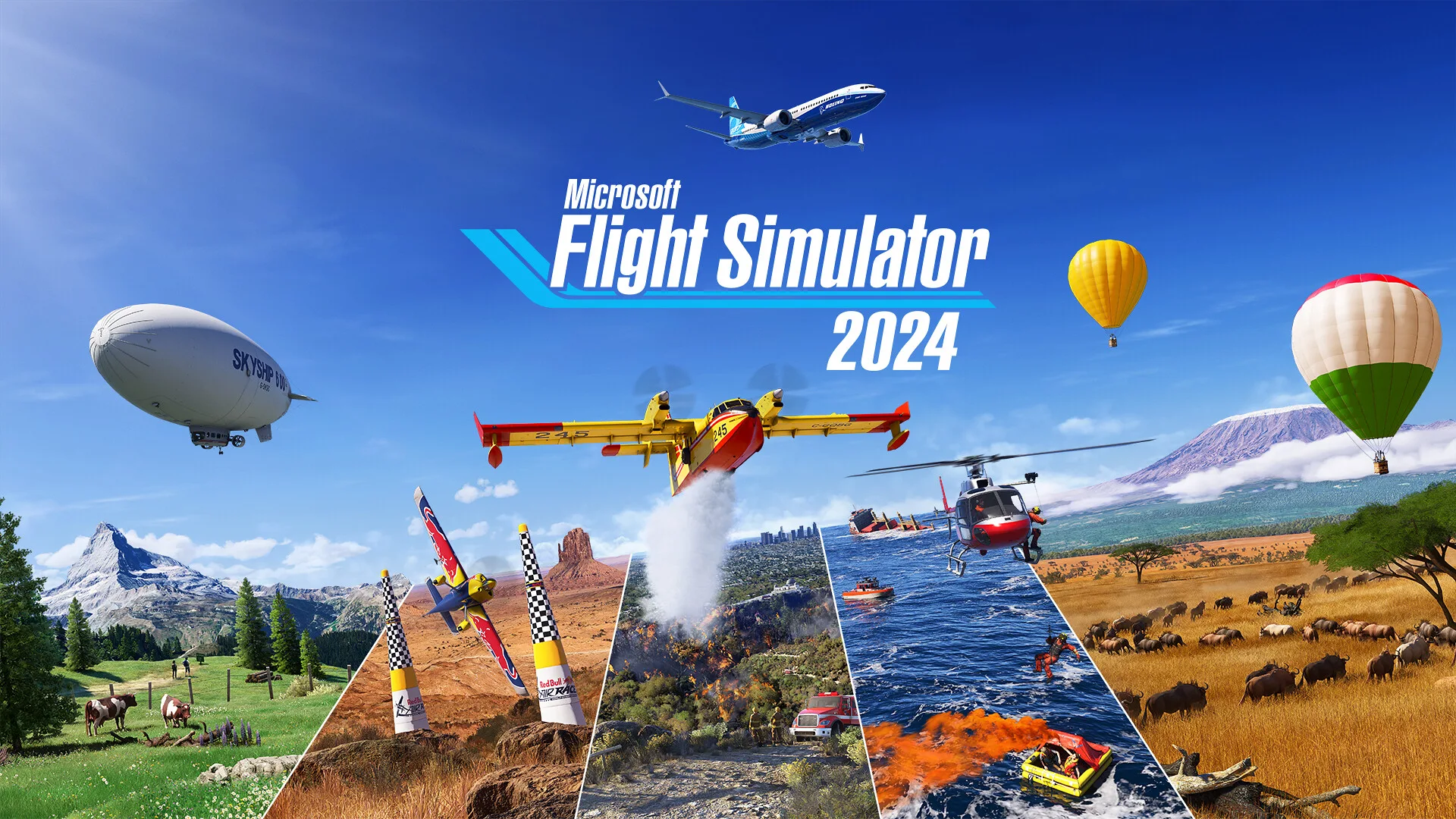
A closer look at Microsoft Flight Simulator 2024’s upcoming PlayStation VR2 support has shed light on how Asobo Studio is adapting one of the most technically demanding simulation experiences for virtual reality. The feature, confirmed as a free update, aims to deliver a more immersive way to explore the skies on PlayStation 5.
Bringing the simulator into VR has required extensive reworking of its complex systems, particularly when it comes to cockpit interaction. According to Microsoft Flight Simulator head Jorg Neumann, the intricate array of instruments and controls found in each aircraft had to be redesigned to function naturally with the PS VR2 Sense controllers. The goal is to ensure that interacting with switches and dials feels intuitive rather than cumbersome in a virtual environment.

On the technical side, maintaining performance in such a visually intensive title presented additional challenges. The development team implemented features such as foveated rendering and flexible scaled rasterization, both of which play a key role in optimizing image quality and frame rate. Another solution, described as frame duplication, allows the system to update the camera position between render cycles, helping achieve the smooth performance required for VR gameplay.
Beyond the technical considerations, the studio has placed a strong emphasis on immersion and player experience. Feedback from the community, along with inspiration drawn from other VR-supported titles such as Gran Turismo 7, helped guide development. The result is an experience designed to enhance the sense of scale and presence, with VR offering a more tangible perception of environments, whether flying close to mountainous terrain or navigating through turbulent weather.
Different aircraft types introduce their own challenges and opportunities in VR. Larger airliners, such as the Boeing 737-8, proved particularly demanding due to cockpit complexity and performance requirements, while helicopters benefit from improved peripheral visibility, enhancing the sensation of hovering in mid-air. The game is expected to feature over 100 aircraft, each offering distinct handling and immersion in virtual reality.
The addition of VR is positioned as a significant step toward realism, with developers noting that player movements in VR closely mirror those used in real-world flying. From looking over a shoulder to align with a runway to scanning surroundings through cockpit windows, the experience aims to replicate real pilot behavior as closely as possible.
With its PS VR2 update, Microsoft Flight Simulator 2024 is set to expand its already detailed simulation into a more physically engaging format, offering console players a new way to experience flight when the feature arrives later this year.