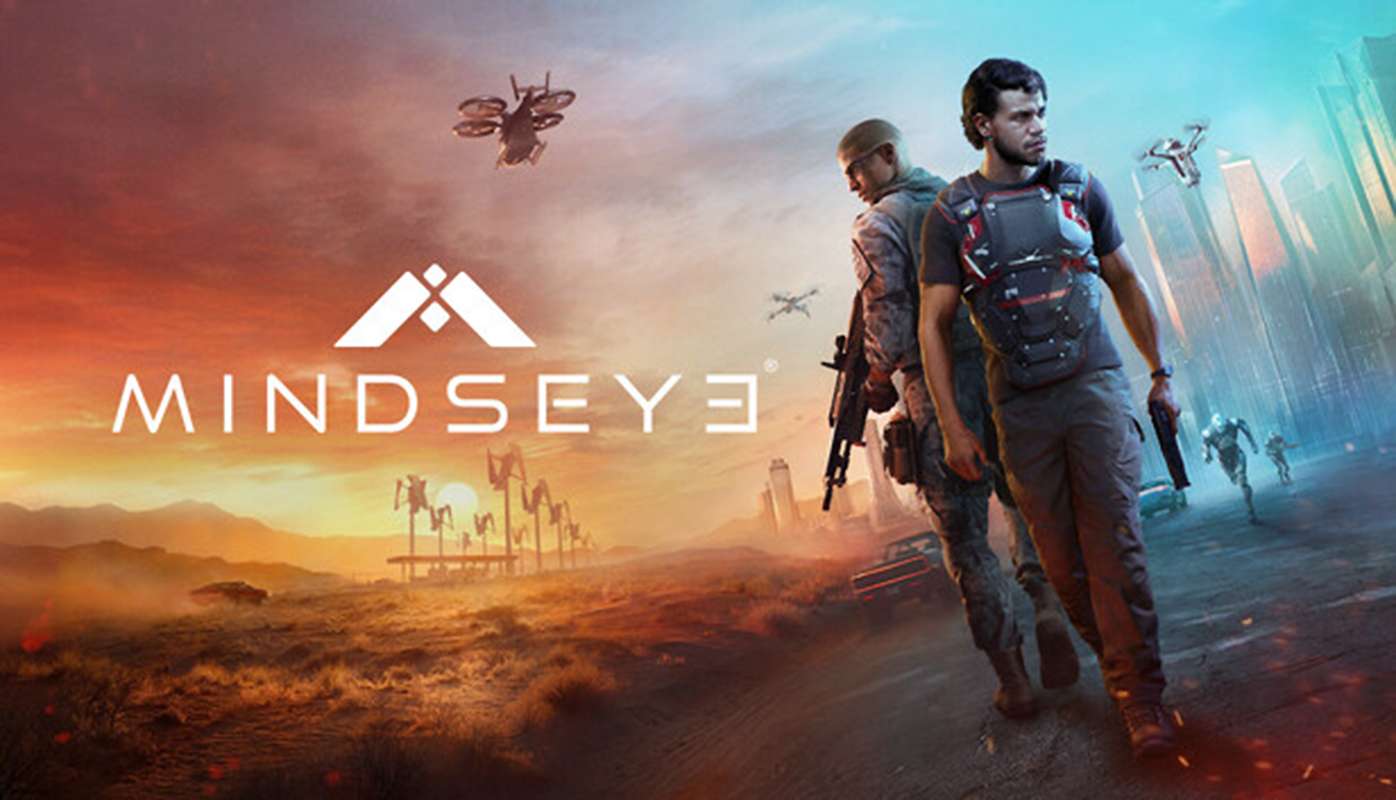
MindsEye developer Build a Rocket Boy had no idea what kind of game it was making, according to a new report.
An investigative report by YouTube channel Decode has shed light on what allegedly went wrong behind the scenes at developer Build a Rocket Boy during the development of MindsEye. Instead of becoming a triumph, the game launched to widespread criticism and quickly earned a reputation as a high-profile flop.

Over several months, Decode spoke with seven current and former employees, reviewed internal documents, and collected testimonies that paint a picture of a studio overwhelmed by shifting visions and leadership bottlenecks. According to these sources, MindsEye collapsed under the weight of “too much ambition, excessive control, and false promises.” One former developer summarized the experience bluntly: “It felt like we didn’t really know what kind of game we were making until the very last minute.”
At the center of the turmoil was studio founder and former Rockstar Games producer Leslie Benzies himself, as insiders described a management style where nearly all decisions required the CEO’s approval. Special internal tasks, reportedly known as “Leslie tickets,” could override planned work at any moment. Features that developers believed were flawed, such as a tower-defense-style side mission, were allegedly pushed through despite internal objections.
Adding to the problem was the studio’s parallel obsession with another project i.e. Everywhere. Originally announced years before MindsEye, the project was envisioned as a hybrid of game, platform, and creation tool, “a bit Roblox, a bit Fortnite.” Internal documents from early 2022, obtained by Decode, suggested that NFTs, tokens, and “play-to-earn” concepts were at least seriously explored, despite public denials from the studio. One source described Everywhere not as a game, but as “a service disguised as a game, without the resources to actually support it.”
In mid-2022, MindsEye was temporarily sidelined as Everywhere became the main focus, only for that decision to be reversed when player interest failed to materialize. Layoffs followed, morale collapsed, and employees described an atmosphere of fear, poor communication, and growing crunch. Shortly before release, criticism from previews and journalists was reportedly dismissed by management. Publicly, studio leadership even suggested that negative reactions were “100 percent” the result of sabotage by competitors, a claim that internally angered many staff members.
Despite more than £230 million in reported investment, internal projections of 500,000 PC sales in the first month fell dramatically short. According to Decode’s sources, MindsEye sold closer to 160,000 units in total.