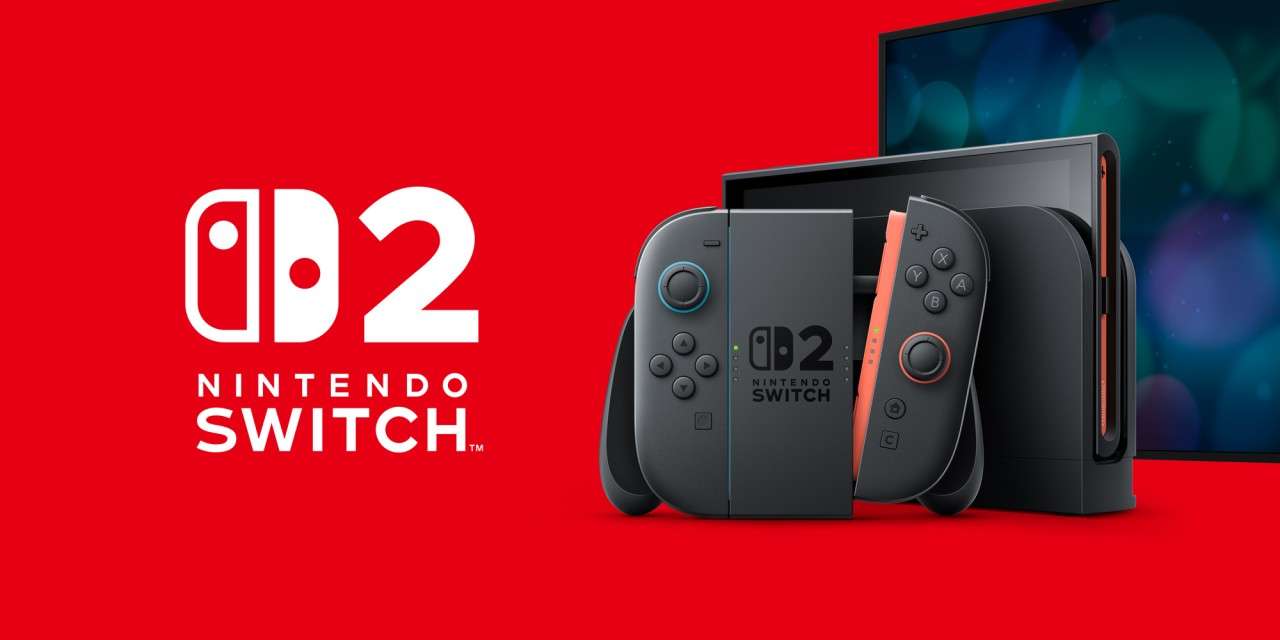
Nintendo has commented on the challenges posed by rising memory prices and other component costs, and how these factors could affect the profitability and pricing of Nintendo Switch 2 hardware. The remarks were shared during a question-and-answer session with investors following the company’s latest fiscal results.
When asked how rising memory and component prices are impacting Switch 2 hardware profitability, Nintendo President Shuntaro Furukawa stated, “We do not disclose details regarding individual components, but we can say that we are working to secure stable supplies of memory components by holding discussions from a long-term perspective with our business partners.” He added that “the recent rise in memory prices did not have a significant impact on hardware profitability in the third quarter” and that Nintendo does not expect “any significant impact in the fourth quarter.”
Furukawa cautioned, however, that a prolonged increase in component costs could present challenges. “If this rise in component prices lasts longer than expected and runs through the next fiscal year and beyond, it may put pressure on profitability,” he said. “If the situation deteriorates significantly, we will carefully assess market trends and respond.” Regarding potential changes to Switch 2 pricing, Furukawa noted, “As for any future change in the price of Nintendo Switch 2 hardware, no decision has been made at this time.”

Nintendo also addressed questions about why it did not revise its hardware and software sales volume forecasts despite strong holiday results and exchange-rate changes. Furukawa explained that revised exchange-rate assumptions are expected to have “some upward effect on net sales and each profit level,” but the impact was not large enough to require changes to the company’s consolidated earnings forecast. He confirmed that global hardware and software sales volume forecasts remain unchanged, while acknowledging regional differences: “As for the volume of hardware sales, you are correct that sales in Japan exceeded our expectations while overseas sales were somewhat weaker than expected.”
Furukawa further explained that procurement for hardware-related components is primarily conducted in U.S. dollars, meaning that stronger-than-expected hardware sales in Japan can negatively affect profits. “Given the current exchange rate environment, the better-than-projected hardware sales in Japan will have a downward effect on gross profit and operating profit,” he said. He attributed the strong domestic performance to releases such as Pokémon Legends: Z-A – Nintendo Switch 2 Edition and Kirby Air Riders during the holiday season.
Addressing Nintendo’s long-standing policy of avoiding hardware sales at a loss, Furukawa emphasized a global perspective. “What we are focusing on is profitability on a global basis,” he said. He also stressed the importance of expanding the installed base: “The second and third years for Nintendo Switch 2 are very important, and if we can expand the hardware installed base, we can use that as a basis to greatly expand software sales.”
Looking ahead, Furukawa reiterated that current memory price increases are not expected to greatly impact the present fiscal year or immediately affect the next fiscal year due to inventory and hardware already in production. However, he acknowledged that continued increases could eventually influence hardware profitability, at which point Nintendo would “examine various factors to determine how to handle the situation.”
Overall, Nintendo’s comments suggest that while memory price volatility is a growing concern, the company believes its supply arrangements and scale efficiencies provide short-term insulation, with longer-term responses to be shaped by market conditions and strategic priorities.