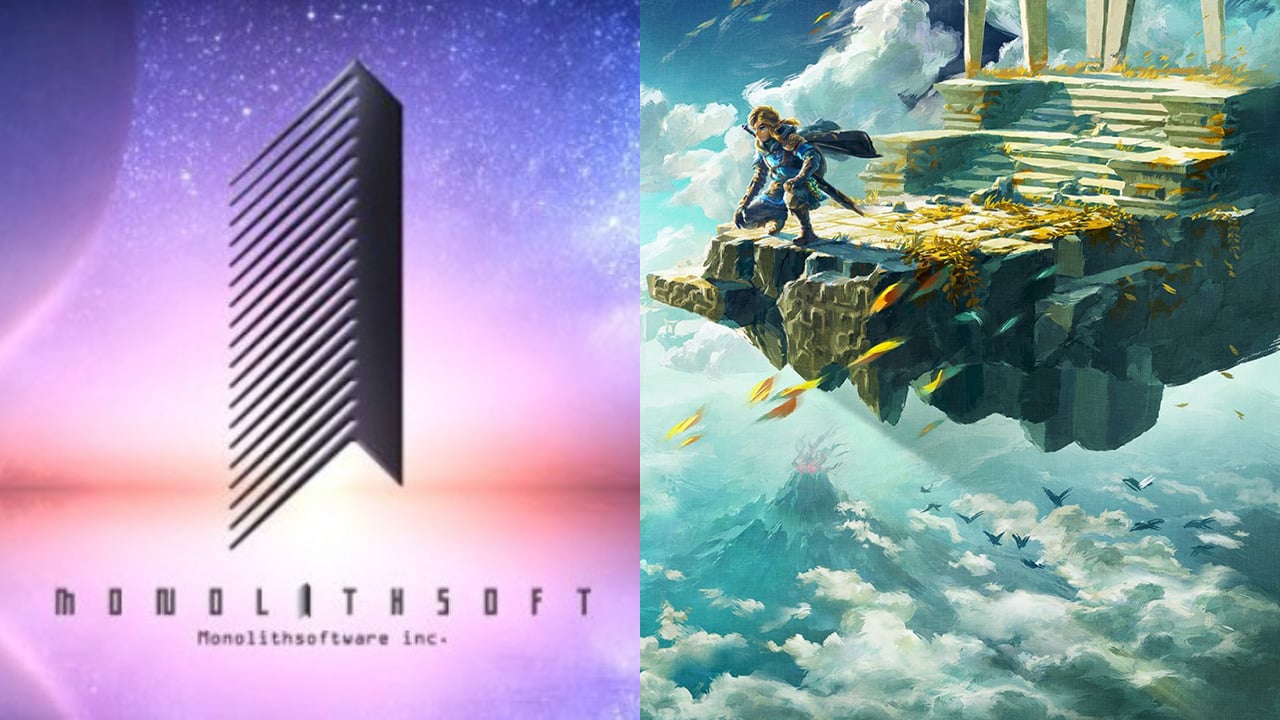
Nintendo wants Xenoblade Chronicles developer Monolith Soft to have a central role in the development of the next Legend of Zelda game.
During a recent discussion between animator and director at Monolith Soft, Yasuhiro Fujita, and The Legend of Zelda series general manager at Nintendo, Daiki Iwamoto, reflected on their collaboration from Skyward Sword through Tears of the Kingdom. Iwamoto acknowledged that the decision came with mixed emotions, stating that because it was the first time the design and planning work for a Zelda game had been entrusted to an external studio, it was “a situation where anticipation and anxiety were mixed.” Fujita shared a similar perspective from Monolith Soft’s side, explaining that while the team was excited to work on such a major title, it also wondered whether its work “would really be accepted [at Nintendo].”

Those early uncertainties were gradually resolved through close communication. Fujita recalled that both teams made a conscious effort to stay in constant contact, even before remote collaboration tools were fully in place. That foundation of trust proved critical as Monolith Soft’s responsibilities expanded dramatically on Breath of the Wild. According to Fujita, the relationship shifted away from simply following Nintendo’s specifications, and instead became one where both sides would be”thinking together and creating together.”
This deeper involvement extended into areas traditionally handled solely by Nintendo. Speaking about animation, Fujita explained that on Skyward Sword, Monolith Soft focused on producing assets, while Nintendo refined them in-game. By contrast, on Breath of the Wild, Monolith Soft was involved “all the way through adjusting how it feels when you play,” highlighting how closely the two teams collaborated on gameplay execution.
That experience carried directly into downloadable content and eventually Tears of the Kingdom, where Monolith Soft joined development from the very beginning with planners, designers, and programmers all in place. Despite building on the same world, Fujita admitted the scale of change caught the team off guard, saying that starting from entirely new gameplay ideas was “not something we had imagined.”
One of the most important lessons from the production of Tears of the Kingdom was what both sides referred to as “horizontal collaboration.” Fujita described how taking an interest beyond one’s immediate responsibilities led to constant, organic information sharing across teams, something he called a defining feature of the game’s development.
Looking to the future, Iwamoto stated that he wants the studio to play a central role by taking on “more core responsibilities” in the development of the next Legend of Zelda title, expressing enthusiasm for a mindset where Monolith Soft could say, “we’ll handle everything from here to here on the Monolith Soft side.” Meanwhile, Fujita said that while Monolith Soft is still growing, the studio wants to be more creatively proactive, and be able to say, “this is what we want to do” and “this is what we think is good.”