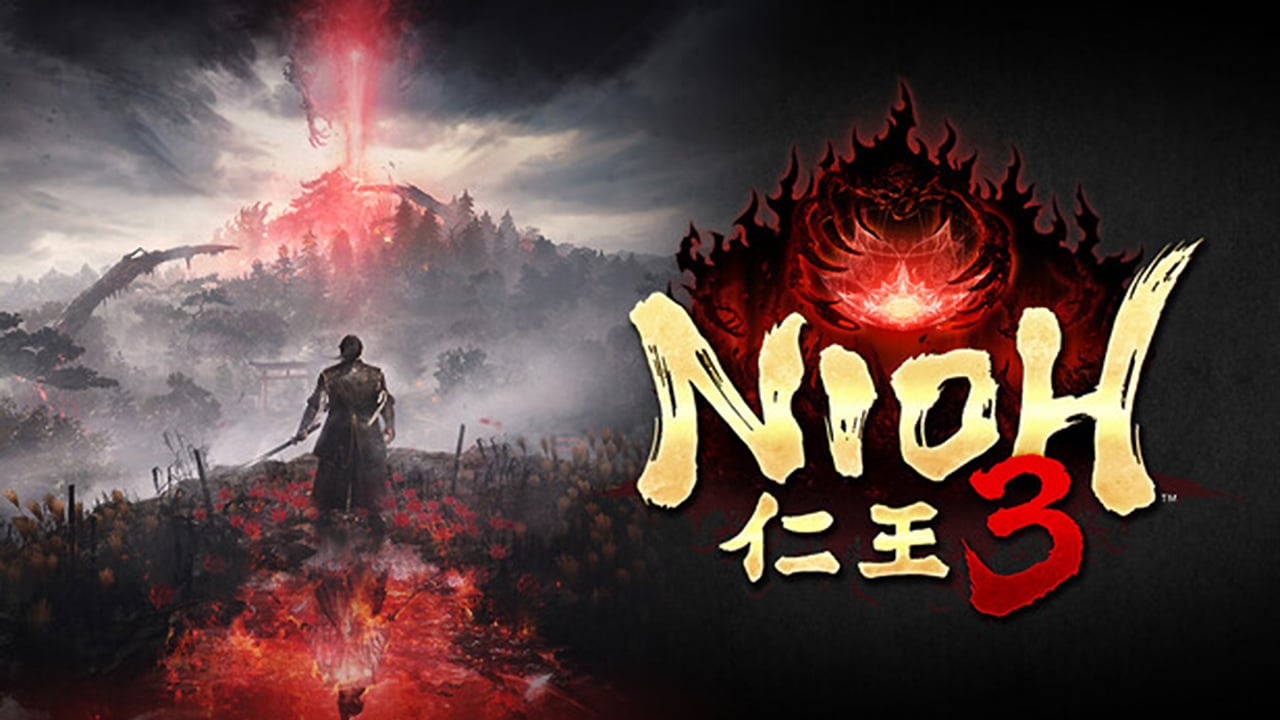
The Nioh franchise was initially considered a clone of the Souls series, but it has since developed its own unique identity. Nioh 3 takes this evolution further by combining samurai stance-based combat with faster, Ninjutsu-focused action set in a semi-open environment. This installment is more accessible than its predecessor and emphasizes the elements that made the earlier games enjoyable.
The story follows Takechiyo Tokugawa, the grandson of Ieyasu Tokugawa and heir to the shogunate. His younger brother, Kunimatsu, becomes jealous of Takechiyo’s position. Driven by his desire for power, Kunimatsu unleashes a curse with the help of yokai known as the Crucible. This force acts like a plague, spreading and consuming the land. As chaos unfolds, this calamity threatens to destroy four different eras in an alternate history of Japan. To combat the plague and undo the damage caused by his brother, Takechiyo must travel back in time to these eras.

Nioh 3 primarily revolves around a story of betrayal, driven by sibling revenge, with yokai at the heart of the conflict. These infected monsters pose a significant threat. While the narrative starts off strong, it quickly takes a backseat as the gameplay becomes the main focus. Although the game may initially appear to be story-driven, the reality is quite the opposite. It is not until near the end that the story regains some momentum reminiscent of its opening. Additionally, some players may struggle with the heavy reliance on Japanese folklore and history, as much of the narrative is conveyed through brief cutscenes rather than more in-depth storytelling.
The gameplay is where the game truly excels. At its core, Nioh focuses on Ki management and stance switching. Ki Pulse makes a return, and there is now a new Ninja style added to the mix. I was impressed by how seamlessly players can switch between these two styles, as the game encourages transitions at specific moments. Each style offers a variety of weapons, allowing players to experiment and discover what works best for them.
The Ninja form changes combat in a big way. It replaces Ki Pulse and stance switching with a faster combat system that feels closer to Ninja Gaiden, which is not surprising given Team Ninja’s history with that series. The game also includes a quick dodge and a parry system. In the Ninja style, players have more options to deal with enemies, including traps, spells, and shuriken. There is also a stronger defensive focus, with a quick step move that replaces Ki Pulse.

Compared to the traditional Samurai style, the Ninja style focuses on faster attacks that do not drain stamina as heavily. The Samurai style, on the other hand, keeps the stance switching system and rewards players who balance strong offense with solid defense. The game also encourages switching between styles through the Burst Counter mechanic. When enemies prepare certain attacks, they glow red, making it easy to spot. If timed correctly, you can counter the attack and switch styles at the same time, creating a smooth and satisfying flow in combat.
Nioh 3 is not a traditional open-world game, but it features large open zones that encourage exploration. There are four different time periods to explore, each filled with enemy encounters, strongholds, and optional boss fights. Gathering loot is enjoyable and tied to random drops, but in my experience, it feels fair and rewards players who take the time to explore. A helpful quality of life addition is the option to auto-equip loot based on weight class. This makes it easier to switch to a better loadout without spending too much time in menus.

As for replay value, the game can take more than 40 hours to complete on a first run. Going for the platinum trophy adds a significant amount of time, though it is not overly difficult. There is also a New Game Plus mode for those looking for an extra challenge. This mode is especially rewarding for players who enjoy the loot system, as it offers deeper customization options. Since the game supports two distinct playstyles with the Samurai and Ninja builds, replaying it can feel like a different experience depending on the approach you choose.
Visually, the game is pleasing to look at, and the art style stands out. However, from a technical standpoint, it is somewhat disappointing. Enemy variety is also lacking. Even across different eras, most enemies feel like reskinned versions of existing ones rather than offering truly different combat encounters. PS5 Pro support is appreciated, but I would have preferred a graphics mode targeting 60 FPS and a performance mode aiming for 120 FPS. Earlier entries supported similar options, so its absence here feels surprising.

Overall, this is easily the strongest entry in the franchise. It delivers the best gameplay experience out of the three games. While the narrative is not its strongest aspect, it is also not overly dense or buried in lore like the Souls titles, making it easier to follow the characters and setting. The boss fights are genuinely impressive, striking a good balance between challenge and fairness. They are demanding without becoming frustrating. For dedicated players, the New Game Plus mode adds solid replay value, and the two distinct builds ensure that each playthrough can feel different.
Nioh 3 Game Information
- Price: $69.99
- Publisher: Koei Tecmo
- Developer: Team Ninja
- Platform: PS5 (Reviewed)
- Disclaimer: A review code was given by the publisher