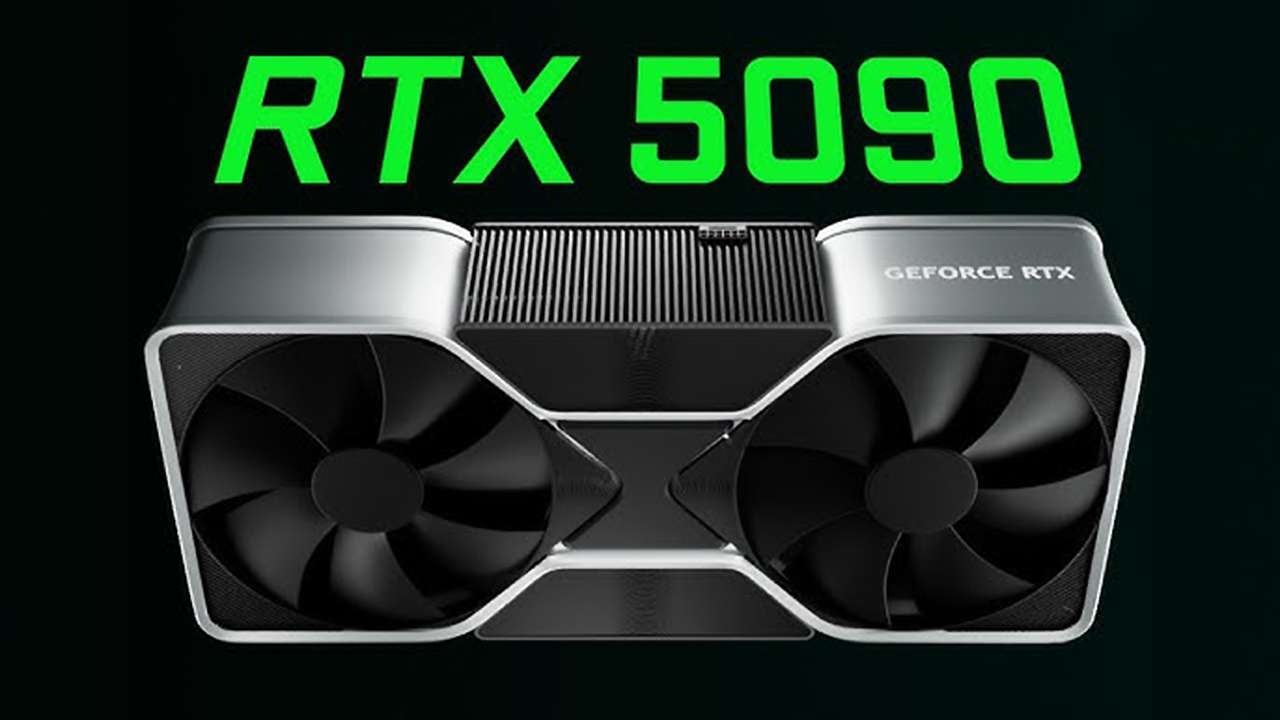
NVIDIA and AMD are set to bring a significant increase to consumer GPU prices in 2026, according to a new report.
According to a report from South Korean news agency Newsis, both NVIDIA and AMD are preparing to significantly raise GPU prices starting early next year, a step that would undoubtedly have major consequences for PC gaming enthusiasts as well as the rapidly expanding AI market. The increase in prices is expected to begin as early as January, 2026, and may continue on a month-by-month basis rather than as a single adjustment.

Industry sources cited by Newsis claim that AMD will begin raising prices on select GPUs starting in January, while NVIDIA is expected to follow in February. The first products affected are reportedly consumer-focused graphics cards, including NVIDIA’s GeForce RTX 50 series and AMD’s upcoming Radeon RX 9000 series. Most concerning for enthusiasts is NVIDIA’s flagship GeForce RTX 5090, which launched earlier this year at $2,000. The report suggests that its price could surge to as high as $5,000 in 2026, representing an unprecedented jump for a consumer GPU.
The reasoning behind these dramatic price hikes lies primarily in the soaring cost of memory. According to an industry insider quoted by Newsis, memory now accounts for more than 80% of the total manufacturing cost of modern GPUs. Prices for key components such as DDR5 DRAM have exploded in recent months. For example, DDR5 16G (2Gx8) memory reportedly rose from $5.50 in May to over $20 last month, a nearly fourfold increase.
Market research firm Counterpoint further projects that memory prices will climb by more than 40% by the second quarter of next year, with some analysts warning that general-purpose memory prices could rise even more sharply. This sustained pressure makes it increasingly difficult for GPU manufacturers to maintain current pricing structures.
While consumer GPUs may be hit first, the report notes that price increases are likely to expand across all product categories, including high-end GPUs used in AI data centers and servers. NVIDIA’s H200 AI accelerator, already priced between $30,000 and $40,000, could become even more expensive in 2026. Each H200 uses six stacks of fifth-generation high-bandwidth memory (HBM3E), the supply price of which has reportedly increased by around 20%.
Because AI GPUs are often sold under long-term contracts, higher memory costs may only be reflected in contracts signed next year or beyond. Nevertheless, the ripple effects could be substantial, potentially raising infrastructure costs across the AI industry.