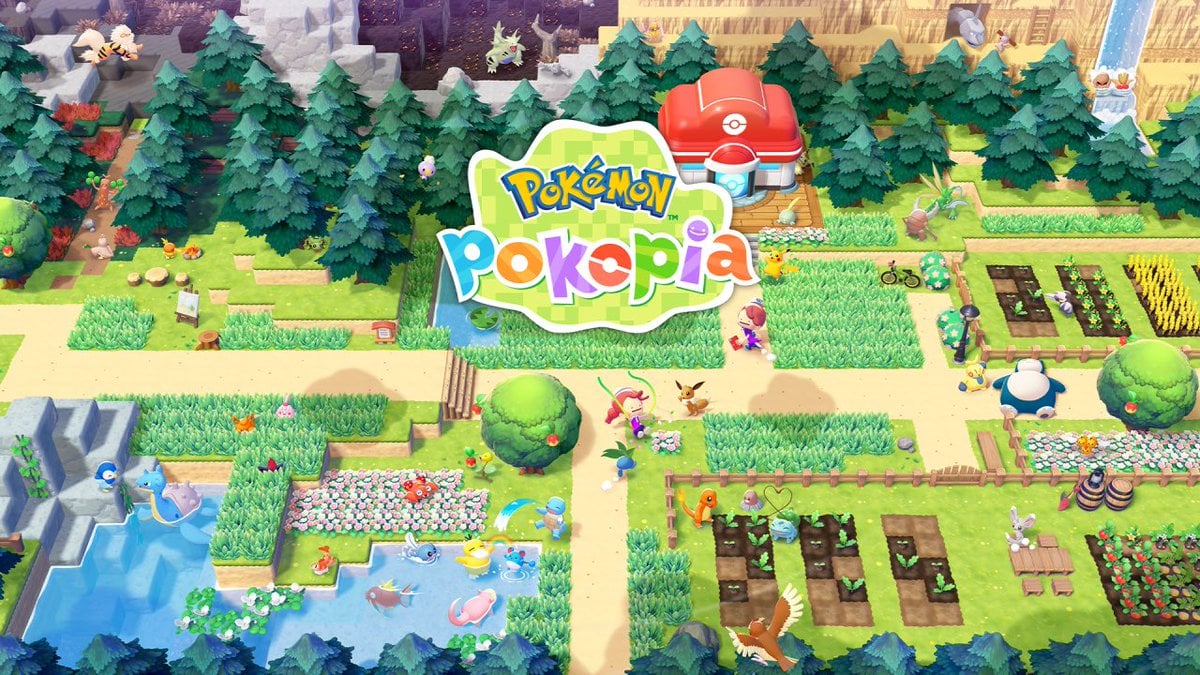
Nintendo has officially announced the release date for Pokémon Pokopia, an all-new life simulation game that marks a major milestone for the company. Set for release on March 5, 2026, the title will not only debut as a Nintendo Switch 2 exclusive but will also make history as the first Nintendo-published game to utilize the new Game-Key Card format. A fresh trailer for the game is scheduled to premiere on November 13, offering players their first extended look at the colorful, sandbox-inspired world of Pokopia.
Developed by Koei Tecmo’s Omega Force, Pokémon Pokopia takes the beloved monster-collecting series in a new and creative direction. The game invites players to embody a Ditto that has transformed into a human, tasked with building a Pokémon paradise from the ground up. Players can learn and use iconic moves like “Leafage” from Bulbasaur or “Water Gun” from Squirtle to modify terrain, craft habitats, and design homes for Pokémon of all shapes and sizes.

Described as a blend of Animal Crossing’s social charm and Dragon Quest Builders’ construction-based gameplay, Pokémon Pokopia emphasizes freedom, creativity, and exploration within a richly animated environment. The focus on hands-on world-building represents a departure from the traditional Pokémon formula, expanding the franchise into the realm of cozy and creative simulation experiences that have grown increasingly popular among Nintendo audiences.
In addition to its gameplay innovation, the use of a Game-Key Card format signals Nintendo’s next step toward integrating digital functionality with physical media. This new hybrid system allows players to access game data more flexibly while retaining the collectible appeal of physical releases. Nintendo is experimenting with new concepts by introducing this format in a major Pokémon game for the Switch 2. However, there is significant backlash against Game Key Card releases, so it will be interesting to see how this approach is received by fans. This is especially noteworthy since Nintendo has traditionally focused on physical game releases even as more companies transition to a digital-only model.