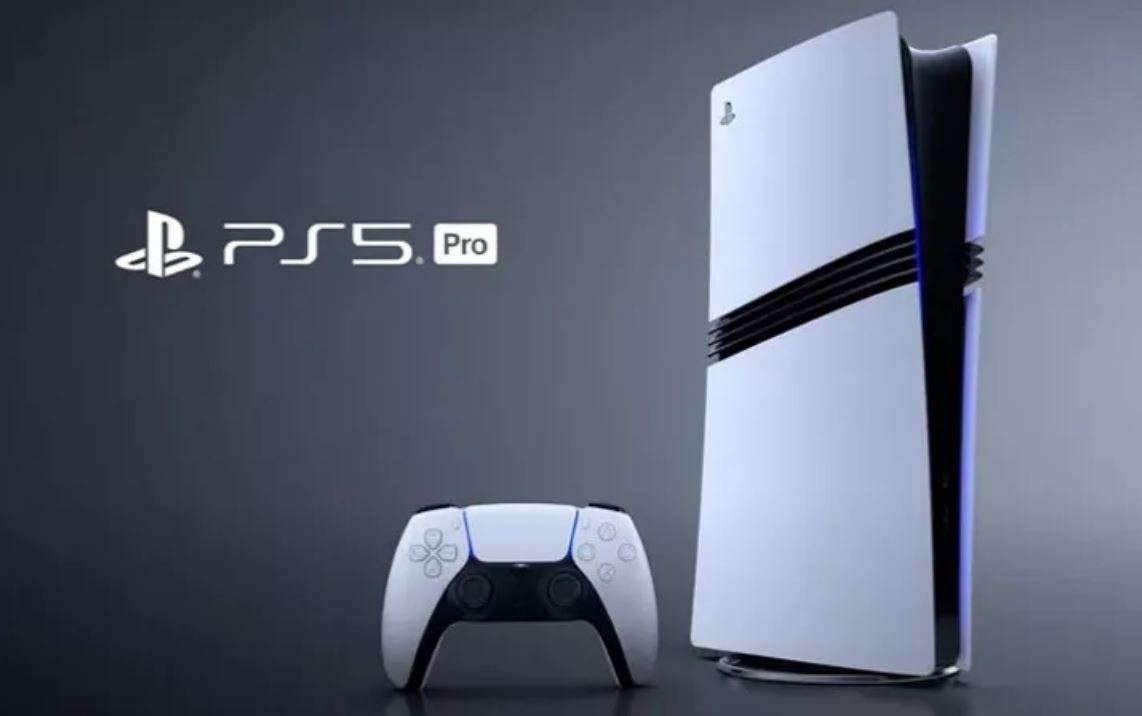
Sony expects the PS5 lifecycle to be extended and the PS6 to be delayed longer than expected, according to a new report.
According to an analysis from Sandstone Insight Japan, authored by MST Financial analyst David Gibson, Sony Group believes that the PS5 will have a longer-than-usual lifecycle, with the launch of its successor, the PS6, expected to be delayed longer than many in the industry currently assume.

Gibson noted that Sony Group’s overall Q3 results are likely to exceed market expectations, driven primarily by the continued strength of its gaming business. Both first-party titles developed by the company and third-party game sales have performed well. According to the report, Sony offered PS5 discounts during the holiday season that had been planned in advance. The third-quarter revenue for Game & Network Services is projected at 1.8 trillion Yen, with operating profit expected to reach around 160 billion Yen.
Meanwhile, Mat Piscatella, Senior Director and Video Game Industry Advisor at Circana, revealed that 13% of PS5 purchases in the US during 2025 were of Pro models, indicating that it’s on track to match the lifetime sales percentage of the PS4 Pro in the country.
While it isn’t explicitly stated in the Sandstone Insight Japan analysis, global RAM shortage has been directly linked to PS6 delay rumors. However, according to hardware insider Moore’s Law Is Dead (MLID), no such decision has actually been made by Sony. While he acknowledged concerns within the company regarding memory supply constraints, he pointed out that the console maker and AMD already have contracts with TSMC to manufacture PS6 hardware, specifically APUs, around mid-2027, and those plans remain unchanged. He stressed that APU manufacturing and RAM selection are separate decisions. In other words, Sony can proceed with chip production while leaving memory configuration choices open until much later in the process. Only if conditions significantly worsen, MLID argued, would a delay even be considered.