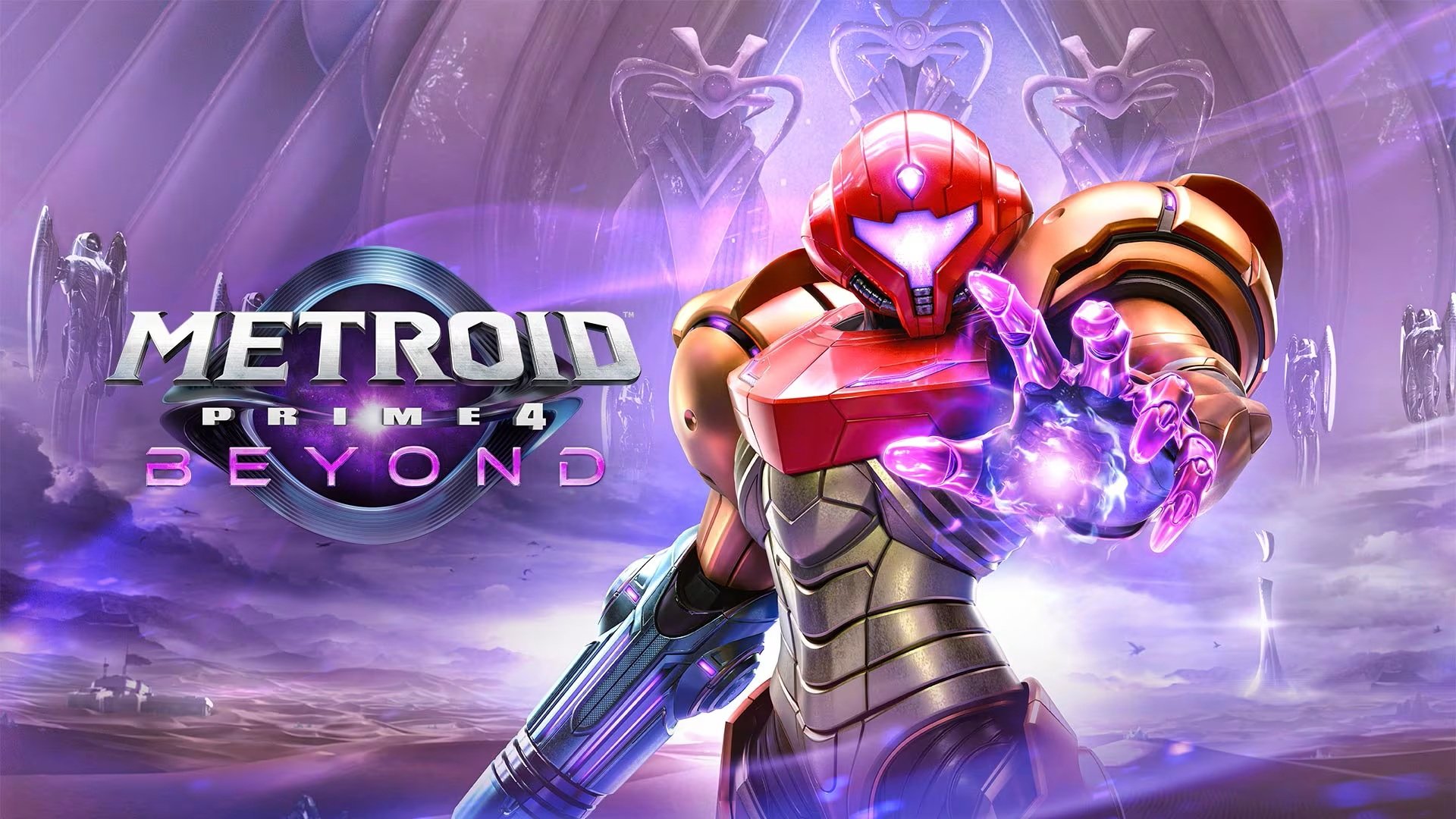
Nintendo and Retro Studios’ action-adventure game, Metroid Prime 4: Beyond, was reportedly worked on by a team of around 1,000 developers, and only a few of them previously worked on shooters.
A new analysis from Japanese industry blogger Papen, who is known for analyzing staff structures at companies like Nintendo and Haruken, reveals the large scale behind the development of the fourth entry in the Metroid Prime series. Based on their tally, the development of Metroid Prime 4: Beyond involved 1,009 credited developers, making it one of Nintendo’s largest AAA productions.

Papen noted that when looking specifically at game designers, programmers, and artists, the core development roles, Metroid Prime 4 involved 569 individuals, nearly double the 312 staff counted for 2023’s Metroid Prime Remastered. This brings it almost exactly in line with The Legend of Zelda: Tears of the Kingdom, which listed 508 staff in the same categories. As Papen puts it, the game effectively represents a “Nintendo-style AAA, Retro Studios version.”
Yet the internal Retro Studios team, the studio leading development, remained much smaller than the total figure might suggest. Retro reportedly has 175 core staff members, with the remaining developers split across contractors, QA, localization, production, Nintendo’s internal groups, and a massive network of external co-development partners. The breakdown Papen provided can be seen below.
- Retro Studios core staff: 175
- Contract/QA/Localization/Production: 134
- Other co-dev studios: 490
- Nintendo (including group companies): 197
- Cast: 13
Compared to the remaster, which outsourced relatively narrow tasks such as 3D art refinement, Metroid Prime 4: Beyond brought in a wide range of specialized studios. These include large asset-production groups (Virtuos, Keywords Studios affiliates, Devoted Studios), VFX specialists (FXVille), UI and motion graphics teams (Territory Studio), cinematic production houses (Waterproof), and motion capture experts (House of Moves). Together, they formed what Papen described as a “multi-layered AAA production structure.”
One key observation is that the backgrounds of Metroid Prime 4’s designers and engineers are unusually varied. “Looking at the staff list, it doesn’t really give the impression of being made up of people from famous shooter studios, but rather shows that the developers have a very diverse background.” Staff comes from VR development, RTS games, major action titles like God of War, and smaller indie productions. Prior experience with games defined as shooters turned up no results, the analysis noted.
Metroid Prime 4: Beyond is available exclusively for the Nintendo Switch and the Nintendo Switch 2.