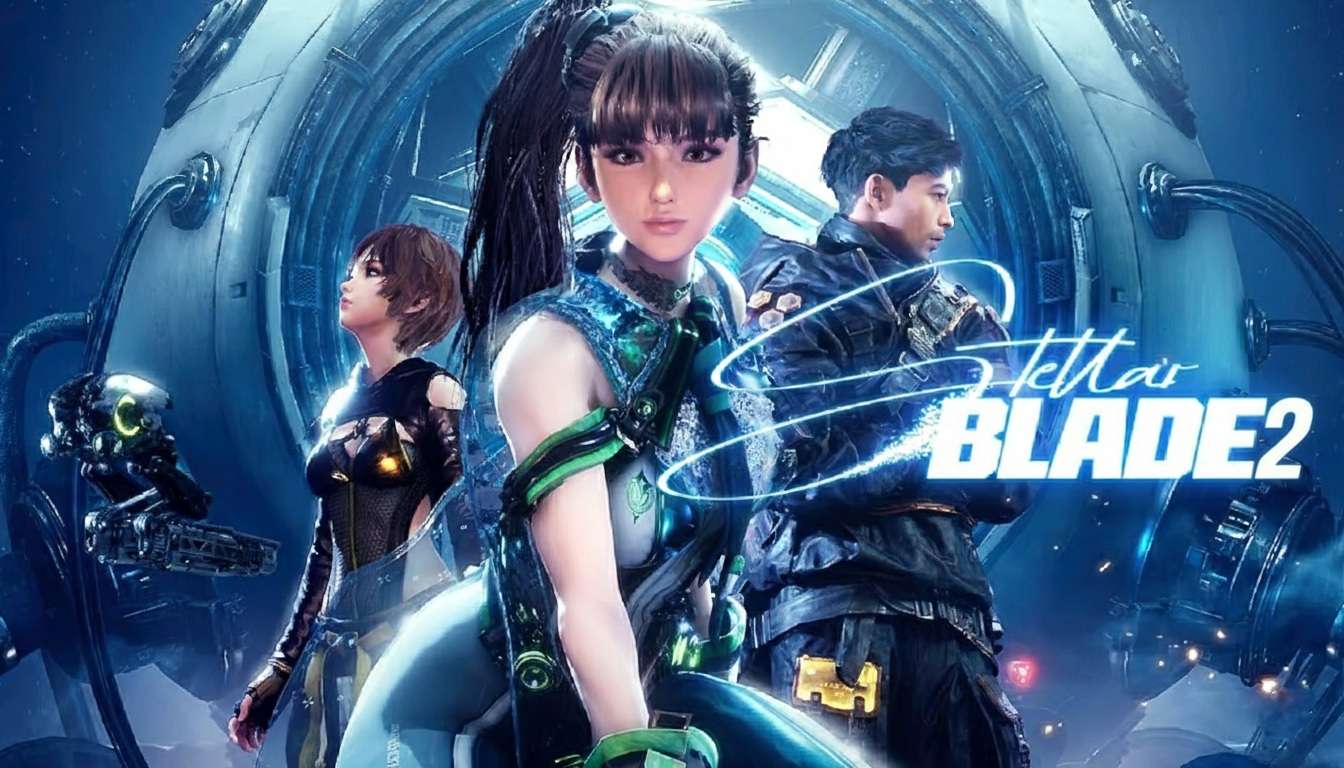
Shift Up has announced a major, ongoing hiring effort to support the development of the next game in its Stellar Blade series. The company confirmed that it is launching a year-round recruitment drive aimed at bringing in skilled people for a wide variety of development positions. According to Shift Up, this move is meant to attract new staff who can help shape the future of the series as the studio works on a next-generation action game for multiple platforms. The hiring period starts right away and does not have an end date, meaning candidates can apply at any time.
The company plans to fill numerous roles, including 3D background and character artists, background concept artists, monster and PC battle designers, level and system designers, scenario writers, technical artists, engine and client programmers, and composers. This extensive list of openings points to a project that is massive in scope, showing the studio is serious about building a complete team capable of evolving its established universe. A Shift Up representative commented, “We welcome the active support of individuals who will once again surprise gamers around the world with new technologies and creative endeavors.”

The new Stellar Blade installment is currently being developed and is described as a AAA multiplatform action game. It aims to broaden the world first seen in the original game while keeping the stylistic action and narrative focus the franchise is known for. The project is being prepared for release on several platforms, including console and PC, suggesting a much wider reach than the series initially had. While the details provided are focused on development goals, the description indicates a clear effort to give audiences a more advanced action experience.
The original Stellar Blade was a PS5 exclusive when it came out in 2024 and quickly became one of the most successful single-player games made by a Korean studio. It earned an impressive 9.2 user rating on Metacritic and topped pre-order charts in over 60 countries. A PC version was released in 2025, drawing around 200,000 concurrent users. This strong performance sets a very high standard for the upcoming follow-up, though the current announcement is solely focused on staffing the project.