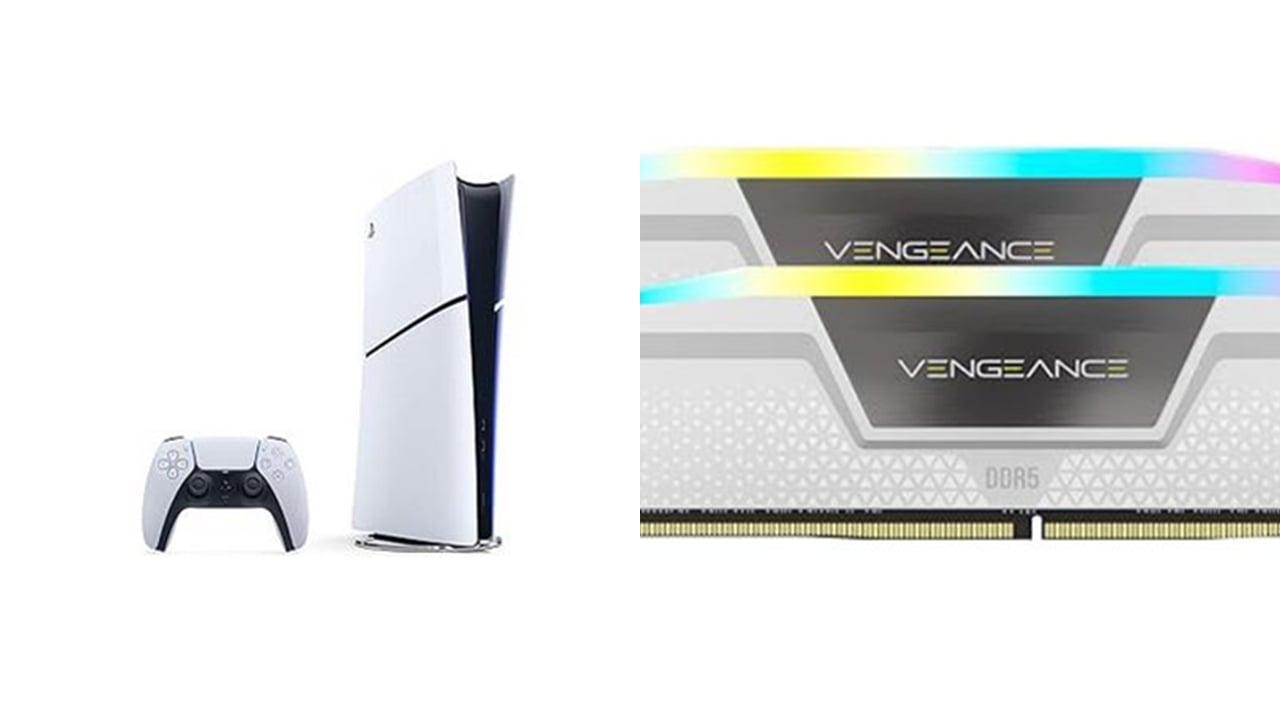
Sony has addressed concerns surrounding memory supply conditions and rising component costs, outlining how these factors could affect PlayStation 5 hardware and overall business performance. The comments were shared during Sony Group Corporation’s Q3 2025 earnings call by senior executives, who emphasized supply stabilization efforts and a continued focus on software and network services.
Lin Tao, Corporate Executive Officer and Chief Financial Officer of Sony Group Corporation, explained that the company has taken steps to secure sufficient memory supply for upcoming periods. “Regarding the impact of the situation in the market for memory, we are almost in a position to secure the quantity we need through the year-end selling season for next fiscal year. We will continue to monitor the situation while working to minimize the impact on profitability,” Tao said.

Tao also highlighted the performance of PlayStation Plus during the quarter. “PlayStation Plus significantly contributed to the results of the quarter as the shift to higher tiers of the service continued,” he stated. Addressing memory procurement more broadly, Tao added, “As for securing a supply of memory, we are already in a position to secure the minimum quantity necessary to manage the year-end selling season of next fiscal year. Going forward, we intend to further negotiate with various suppliers to secure enough supply to meet the demand of our customers.”
The CFO indicated that Sony is prepared to adjust its hardware approach as the console cycle matures. “Given the stage of our console cycle, our hardware sales strategy can be adjusted flexibly, and we intend to minimize the impact of the increased memory cost on this segment going forward by prioritizing monetization of the install base to date and striving to further expand our software and network service revenue,” Tao said.
Additional perspective was provided by Naoya Horii, Senior Vice President of Corporate Planning and Control at Sony Group Corporation, who discussed the potential effects on PS5 moving into the next fiscal year. “So PS5, next fiscal year and onwards, what will be the impact there? For the business results for next fiscal year, we would like to inform you at that appropriate time,” Horii said.
He emphasized the strength of the existing user base, stating, “That is, PS5, since launch, it’s in the sixth year, so 92 million units install base on a sell-in basis, we already have established. So we have been able to develop a very robust ecosystem, and this fiscal year as well, the majority of the sales is software contents and network service.”
Horii further noted that these revenue streams are expected to remain resilient. “And these areas, next fiscal year onwards, are going to continue to make significant, significant contributions, and that will be the part that will not be impacted by the memory price.”
Regarding new hardware, Horii acknowledged potential cost-related pressure. “Now, as for the new PlayStation hardware sales, due to cost increases, there will be some impact. However, it’s in the latter part of the life cycle, so that means that in terms of hardware sales, it’s been expected all along that it will gradually decline or slow down. So there are several or a wide range of choices or options that we can take. So that’s our basic thinking there.”
Together, these remarks suggest Sony expects memory pricing challenges to have limited long-term impact, as the company continues to lean heavily on its established ecosystem and recurring digital revenue.