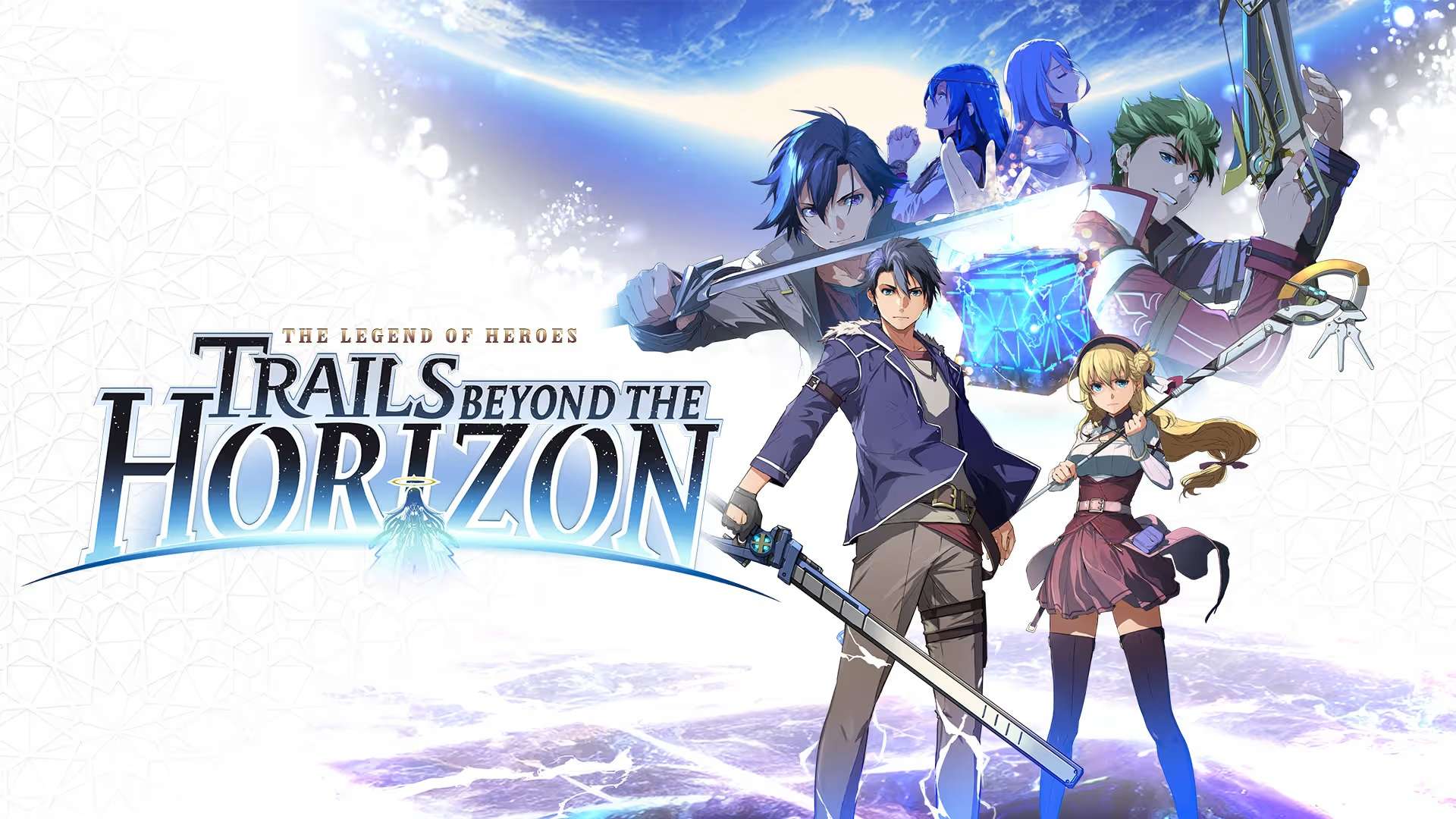
The Legend of Heroes: Trails Beyond the Horizon is the latest entry in the long-running franchise. It is the third part of the Calvard story arc and takes place after the events of Trails from Daybreak 1 and 2. Earlier games in the series followed a specific cast of characters across multiple releases that spanned nearly a decade. The Calvard arc clears the slate and starts fresh. It tells a more recent story focused on new characters, while still bringing some familiar faces into the mix. The Calvard arc began with Daybreak 1 and reaches its full potential in Trails Beyond the Horizon.
The story follows three protagonists: Van Arkride, Rean Schwarzer, and Kevin Graham. It takes an interesting turn by focusing on humanity’s advances in science, particularly space exploration, alongside a long standing prophecy that points to the possible end of the Zemurian continent. The narrative structure in Trails Beyond the Horizon is especially notable, borrowing ideas from Trails into Reverie by telling multiple storylines that run in parallel.

For newcomers, the Trails franchise remains a massive series that demands a large time investment, often hundreds of hours. However, it is rewarding, especially for fans of JRPGs. The series is known for strong character development, deep gameplay systems, and a long-running story that connects events and characters across many years. Many threads left unresolved in earlier games are finally addressed in Trails Beyond the Horizon. New characters are introduced, and the fate of older ones is revealed. The game shows a strong grasp of world-building, with a narrative supported by extensive NPC dialogue and a large cast of characters.
The game can be divided into multiple acts from a narrative standpoint, and it is not until Act 2 that things truly pick up. This act highlights everything the series does well, bringing a complex and interconnected story together in a satisfying way. While the previous entry, Daybreak 2, may have been a slight disappointment for some, Trails Beyond the Horizon addresses most major complaints. It delivers a stronger story, a solid cast, and an improved gameplay system that takes inspiration from titles like the recently released remake of Trails in the Sky 1st Chapter.

The gameplay is engaging, blending turn-based combat with real-time action. One thing I have appreciated about many modern JRPGs is how they are moving away from strictly traditional turn-based systems and making battles feel more active. Trails Beyond the Horizon follows this approach with a dual-mode system that includes Field Battles and turn-based Command Battles. The game transitions between these modes smoothly and introduces new mechanics that were not present in earlier entries.
Shard Commands are a new feature tied to individual characters and their abilities, offering different advantages during combat. There is also a new awakening system for certain characters that allows them to gain a temporary power boost. One of the more interesting additions is the Zone of Control mechanic, which slows time and lets players chain multiple attacks, making it especially useful against enemies with high defense. While these new gameplay elements are welcome, the core experience still feels familiar, ensuring that long-time fans will feel comfortable jumping in.

In addition to the main quest, there are plenty of side quests to take on. There is also a new rogue-like dungeon called Grim Garten, which adds extra replay value. It features characters from earlier games and allows players to build a custom party made up of fan favorites. Thematically, it is similar to the Machen Garden VR mechanic seen in previous entries. For newcomers, this mode may be less appealing, but anyone playing Trails Beyond the Horizon has likely experienced at least some of the earlier games.
My main platform was the Steam Deck, where the game runs very well right out of the box. The frame rate generally sits around 40 FPS, and the dual mode combat system makes this performance level perfectly acceptable. The PC version is well optimized and scales nicely across a wide range of hardware. The voice acting is strong, the animations complement the combat well, and the overall presentation is consistently impressive.

The Legend of Heroes: Trails Beyond the Horizon feels like the culmination of a story arc that spans nearly a dozen games. For players who are deeply invested in the series, this is an easy recommendation, as it brings resolution to many long-running plot threads from earlier entries. The storytelling is stronger than before, with a greater emphasis on cutscenes to develop the characters, while the combat system has evolved in a way that improves flow without completely changing its core.
The biggest drawback is the requirement to have played the earlier games. Because this entry pulls together a large cast and many interconnected storylines, skipping the previous titles means missing much of what makes the experience meaningful, and it is not something I would recommend. The lack of anti-aliasing options is disappointing, though this could be addressed in a post-launch update. For long-time fans, the game does demand patience due to its lengthy cutscenes, but once Act 2 begins, the payoff makes the time investment feel worthwhile.
The Legend of Heroes: Trails Beyond the Horizon Game Information
- Price: $59.99
- Publisher: NIS America
- Developer: Nihon Falcom
- Platform: PC (Reviewed)
- Disclaimer: A review code was given by the publisher