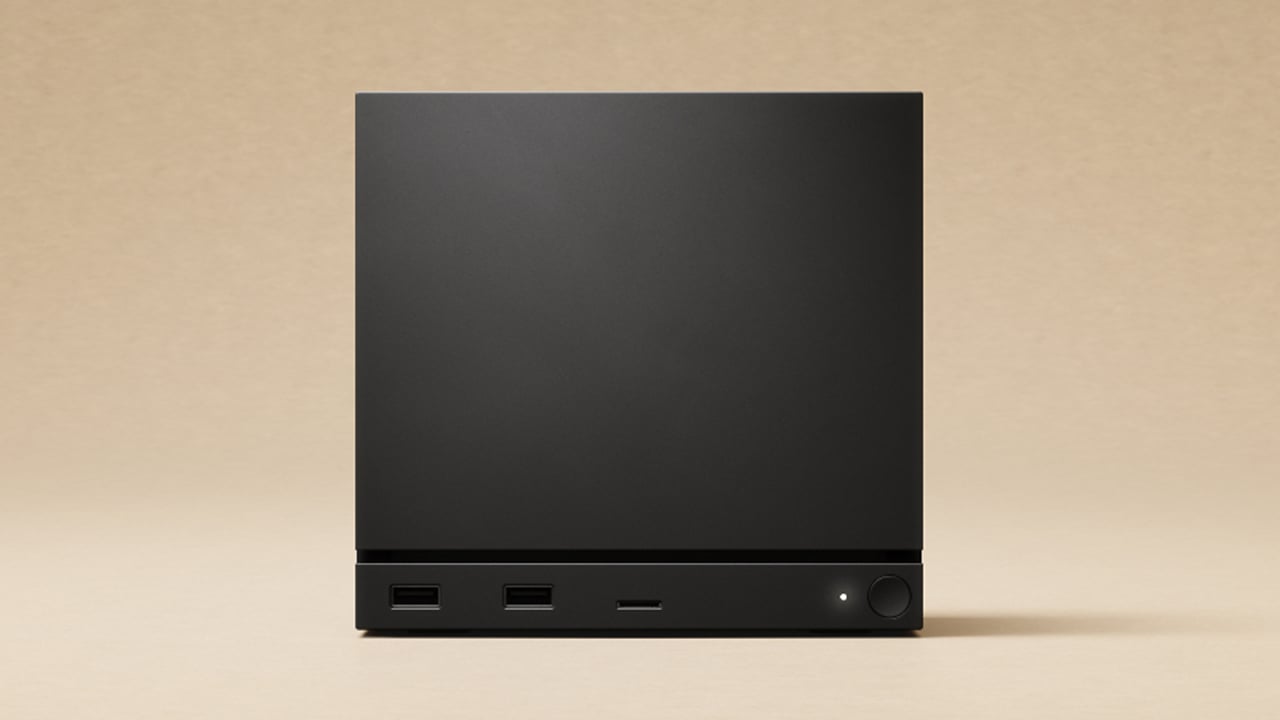
Valve has reaffirmed that its upcoming Steam Controller, Steam Machine, and Steam Frame hardware lineup is still expected to arrive within the first half of the year, though exact launch dates and pricing remain undecided due to ongoing memory and storage component shortages affecting the wider industry.
The company acknowledged that it originally hoped to share concrete pricing and release timelines by now, but rising costs and limited availability of key components have forced a reevaluation of both shipping schedules and final pricing, particularly for Steam Machine and Steam Frame. Despite these challenges, Valve says its overall launch window for all three devices has not changed, and more specific details will be shared once plans are finalized.
Valve also confirmed that the Steam Hardware Blog will serve as a hub for continued updates, feature breakdowns, and technical deep-dives as development progresses. Alongside this, the company addressed a number of frequently asked questions about the new devices.

For Steam Frame, Valve expects popular streaming services to function through SteamOS’s built-in browser using a theatrical browser mode. Developers interested in working with the device can request Steam Frame development kits through the Steamworks partner site, though supplies are limited and are being distributed gradually.
Steam Frame is not currently being developed to work with Lighthouse base stations, but Valve emphasized that the headset was designed to be modular, leaving room for community and third-party expansions. The company also stated that many team members use Steam Frame while wearing glasses without problems, depending on frame width, and that prescription lens inserts are being explored ahead of launch.
Valve detailed a new system-level feature called foveated streaming for Steam Frame, which differs from foveated rendering. While both rely on eye tracking, foveated streaming adjusts which parts of the image are sent in high resolution from the PC, rather than changing what the game renders. Because it operates at the system level, foveated streaming works across all games without requiring developer support. Games that already implement foveated rendering can benefit from both technologies simultaneously.
Although Valve is no longer manufacturing the Valve Index headset, the company stated that existing Index owners will continue to receive ongoing product support.
On the Steam Machine side, Valve says internal testing shows that most Steam titles run well at 4K 60 FPS using FSR. Some games may require heavier upscaling, and in certain cases users may prefer lower frame rates combined with VRR to maintain a 1080p internal resolution. Valve is currently working on HDMI VRR support, improved upscaling methods, and better ray tracing performance at the driver level.
Valve also confirmed plans to release CAD files, specifications, and technical details for Steam Machine faceplates in the coming months, allowing both customers and third-party manufacturers to create their own designs. In terms of hardware upgrades, Steam Machine will support user-accessible SSD upgrades using NVMe 2230 or 2280 drives, as well as upgradeable DDR5 SODIMM memory.
For the Steam Controller, Valve stated that the device can be used with any game that supports the Steam Overlay, including non-Steam titles.
Valve says additional information, feature breakdowns, and hardware updates will be shared through the Steam Hardware Blog as the company moves closer to launch.