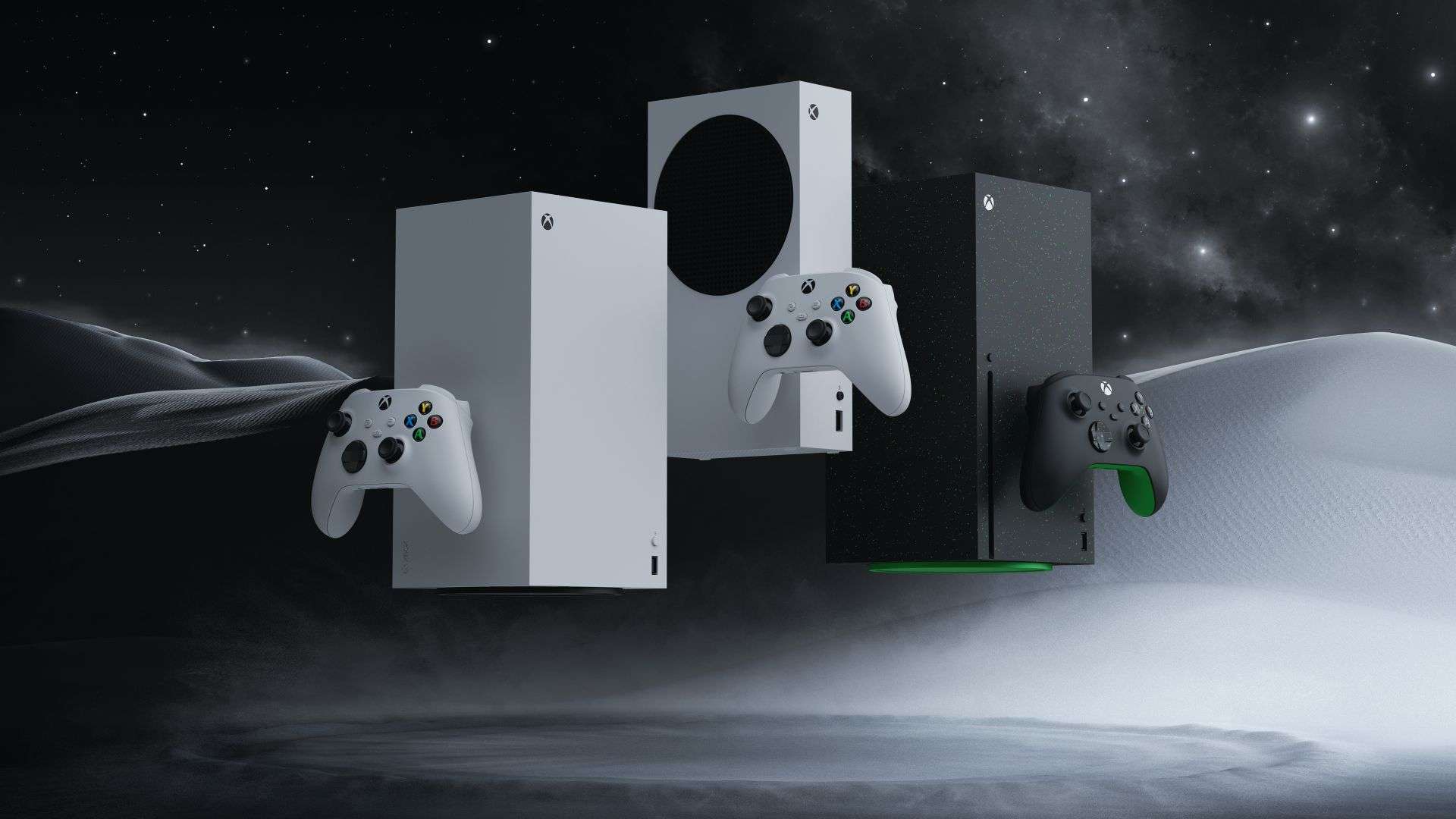
Xbox’s disappointing sales performance during Black Friday is increasingly attributed to its lack of competitive sales and low console availability. This discussion was sparked by comments from Christopher Dring, the editor-in-chief of The Game Business, who noted that Xbox’s pricing strategy and what appears to be a reduction in console manufacturing were significant factors contributing to its sluggish holiday season.
Dring was responding to a post highlighting that Xbox offered very few meaningful discounts in the United Kingdom, while PlayStation 5 consoles were available at significantly lower prices, sometimes as cheap as £280 to £295. He commented that he believes very few Xbox consoles are being produced at the moment and added that the platform’s pricing was simply not competitive during the Black Friday period. He further suggested that Xbox’s performance reflects both limited stock and the company’s broader strategic goals for the platform, stating that the outcome is influenced as much by their strategy as it is by consumer demand.

Community members expressed their concerns, citing examples of PS5 bundles that were discounted to around £350, while Xbox consoles remained priced above £450 without any extras. Dring responded by explaining that reducing hardware prices can be costly, and that Microsoft’s current strategy does not involve losing money to boost console sales. In response to comments suggesting that Xbox might be scaling back due to financial issues, Dring clarified that the company had simply changed its strategy rather than reducing investment in a self-imposed manner that would impede its progress.
The poor promotional performance appears to have had significant consequences. In the United States, Circana’s Mat Piscatella reported that the PlayStation 5 accounted for 47 percent of all hardware unit sales during Black Friday week. The Nintendo Switch 2 followed in second place with 24 percent, while the Nex Playground secured 14 percent. This shift likely pushed the Xbox Series X and Series S consoles into an unexpected fourth place. This marks a considerable change from long-standing trends, as the U.S. has typically been one of Xbox’s strongest markets.
A similar trend was observed in the United Kingdom. Data from The Game Business indicated that the PS5 dominated the Black Friday week, capturing an impressive 62 percent share of the market and experiencing a 16 percent increase in sales compared to the previous year. This surge in sales was largely attributed to aggressive price cuts; the PS5 Slim saw reductions ranging from 21 to 34 percent, and the PS5 Pro dropped to its lowest price ever at £586. Consequently, the average selling price of the PS5 fell to £340, marking only the seventh occasion it has dipped below £400.
Across all markets, analysts are reaching the same conclusion. Xbox’s choice not to engage in major holiday discounting, paired with what looks like a lower manufacturing volume, meant the platform completely missed consumer expectations during the most fiercely competitive sales period of the year.