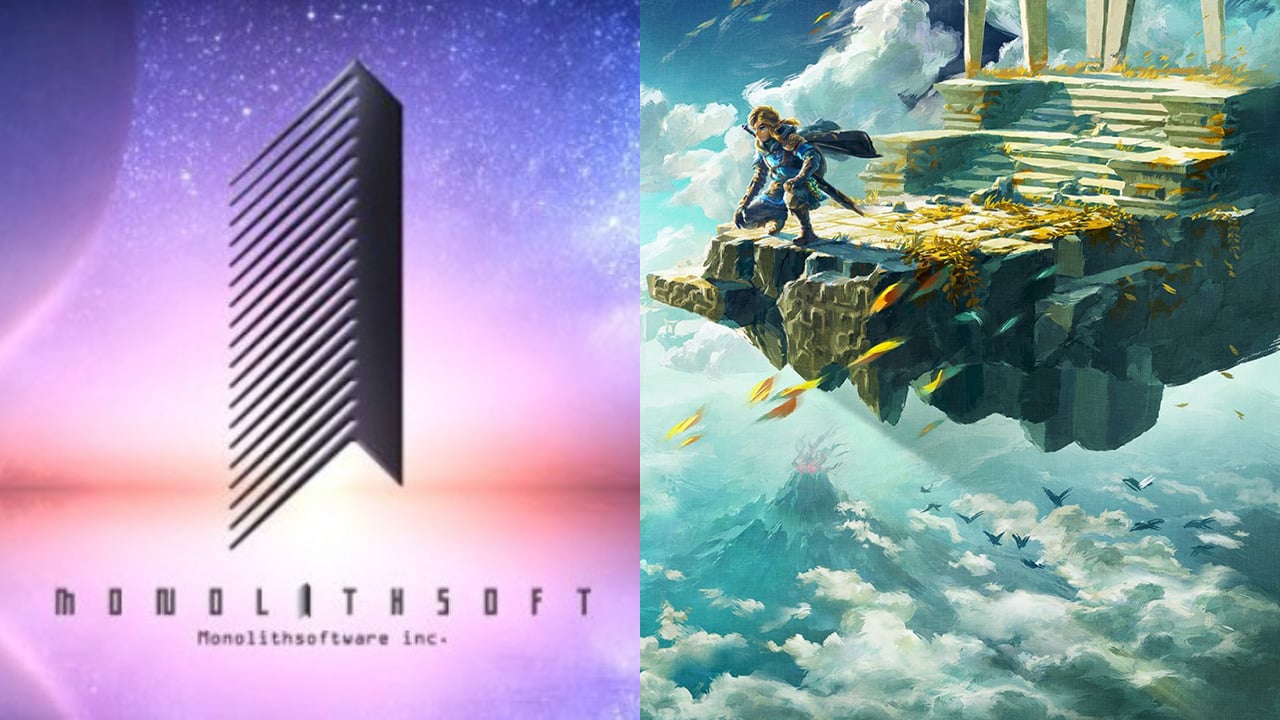
Xenoblade Chronicles developer Monolith Soft has shared details on its work on The Legend of Zelda series alongside Nintendo.
In a new interview shared on its official website (via Genki_JPN on Twitter/X), Monolith Soft lead artist Yasuhiro Fujita and Nintendo producer Daiki Iwamoto shared details on their collaboration across major entries in The Legend of Zelda series, including Skyward Sword, Breath of the Wild, and Tears of the Kingdom.

Monolith Soft’s involvement began during the development of Skyward Sword, a collaboration that both companies approached with “a mix of excitement and anxiety.” According to Iwamoto, the game’s distinctive art style and scope made it difficult to complete with Nintendo’s internal team alone, prompting them to seek support. At the time, outsourcing design and planning for a Zelda title was unprecedented. Fujita echoed this uncertainty, noting that while his team was honored, they “[had] absolutely no idea how Nintendo made their games.”
Despite early logistical challenges, such as limited communication tools and reliance on shared office phones, the teams quickly developed a connection, resulting in a successful collaboration that laid the groundwork for future projects. By the time development on Breath of the Wild started, the relationship had evolved significantly. Rather than simply executing predefined tasks, Monolith Soft became a creative partner. Fujita explained that the process shifted toward “thinking together and creating together,” with Monolith contributing to level design, gameplay ideas, and animation integration. Iwamoto noted that this synergy was essential to tackling the game’s unprecedented scale, particularly in crafting its expansive open world.
For Tears of the Kingdom, Monolith Soft’s role expanded even further. With programmers joining alongside designers and planners, the studio contributed from the earliest stages, including gameplay ideation. The team took on responsibilities spanning from concept to implementation. Fujita admitted the ambition came with difficulty, particularly in designing new mechanics within an already established world, but the experience proved invaluable.According to him, this process helped Monolith Soft grow into a more flexible and detail-oriented developer.
Moving forward, Iwamoto stated that he wants Monolith Soft to take on “more and more core roles as a strong partner in creating ‘Zelda’ from the ground up,” and to “continue to create unique series titles together in the future.” Fujita also wants Monolith Soft to handle “even more diverse responsibilities” for future titles.