WoW is one of the most popular online games that has ever been developed. It was released in 2004 and has been constantly updated. The game provides a universe with its own rules, factions, stories, mechanics, and progression systems. The onboarding curve is soft nowadays thanks to multiple modern features. However, when a person first enters Azeroth, the volume of content available is overwhelming.
The good news is that we have made this guide for you. It covers just everything you need to know about how the game functions, what activities are available, and how to establish a good background before moving on to more challenging group content. You will get to know about classes, zones, dungeons, raids, gold, professions, collectibles, player-versus-player combat, and the overall gameplay.
Gold as a Foundation: How Currency Shapes Your Progress in Azeroth
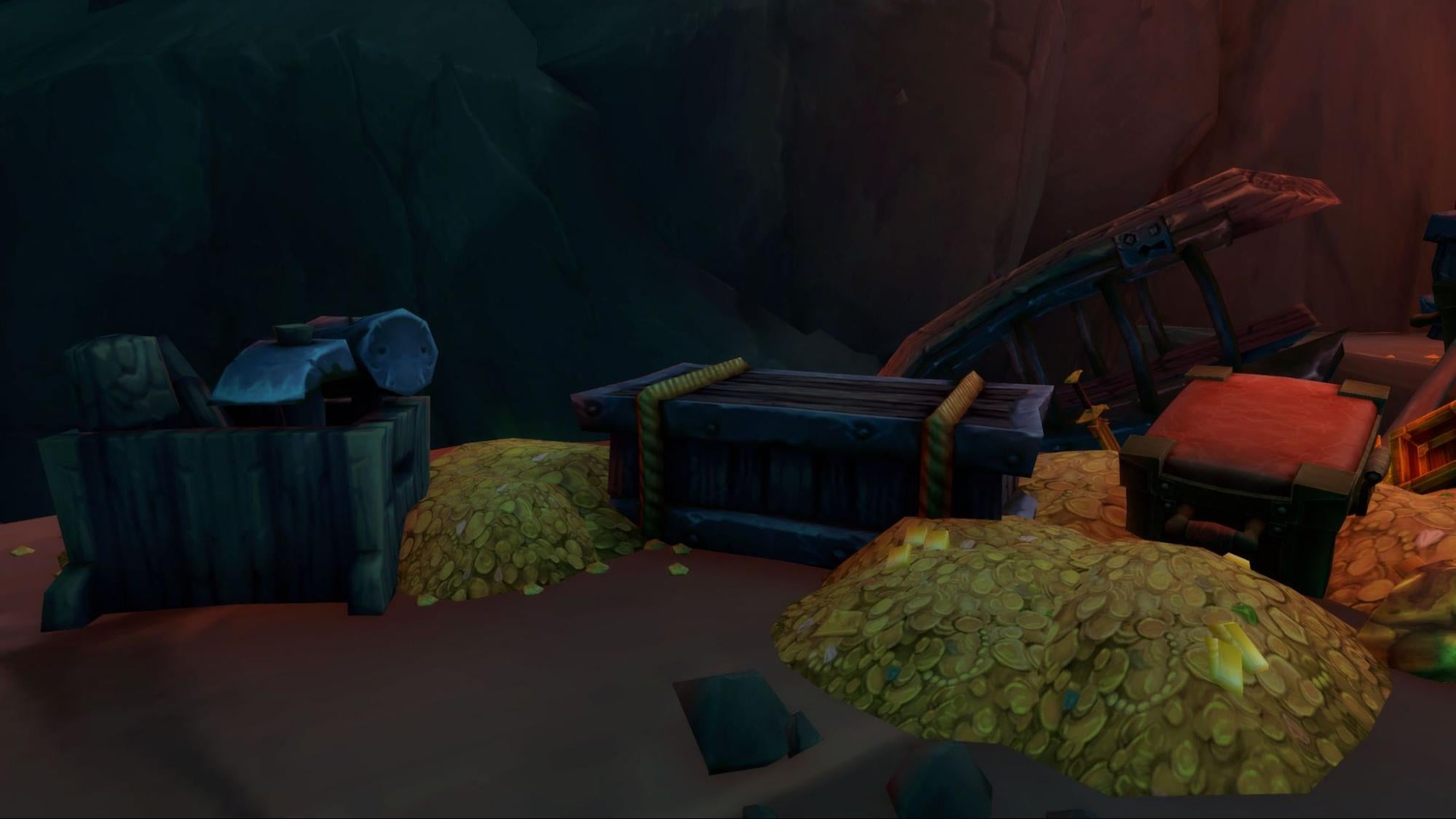
Gold is one of the major elements of the World of Warcraft economy. It powers nearly all the systems: repairs, consumables, mounts, transmog fees, crafted items, and tradeable gear. Until they hit their first big spending threshold, new players tend to undervalue the value of gold.
Players obtain gold through several core activities that form the economic backbone of World of Warcraft. The most common methods are as follows:
- Completing quests and world tasks that provide consistent coin rewards
- Using gathering professions such as herbalism, mining, or skinning
- Crafting items through professions like alchemy, blacksmithing, or tailoring
- Trading materials or crafted goods on the Auction House
- Running older dungeons and raids for items that can be sold
- Participating in world events or repeatable weekly activities
Alongside these traditional methods, there is also the option to purchase WoW gold through verified platforms. For newcomers, this can be the most convenient approach — especially if they prefer to invest a small amount of real money rather than spend many hours on early-game farming.

Choosing Your Class and Specialization
Choosing a class is one of the initial significant choices in World of Warcraft. Every class has a few specializations (typically three) that enable players to define their role and style of fighting. The flexibility of each class is high because specializations can be changed at any moment, not in combat.
Some of them are easy to learn, like Hunter or Paladin, whereas others demand more mechanical discipline, like Priest or Demon Hunter. Nevertheless, every type of class is still possible when you like their overall rhythm and arsenal. The contribution you make in group content is usually in three categories:
- Tank — absorbs hits and maintains control of hostile targets.
- Healer — restores health and supports the team.
- Damage Dealer (DPS) — focuses on outputting damage while following encounter mechanics.
Knowing the fundamental priorities of your role in the beginning is very beneficial when you are in dungeons or raids.
Leveling and Early Progression
The leveling of modern WoW is easier than ever. Every expansion has its own contained story path that will take you through the initial levels to the present content. The game does not overload you with quests, dungeons, and features. Here is the order of activities you will need to follow:
- Complete quests in the selected expansion’s storyline.
- Unlock basic systems such as riding, professions, and talent choices.
- Enter your first normal-mode dungeons.
- Reach the level cap and gain access to the latest expansion content.
Leveling is also a chance to learn your skills individually so that you can adapt without strain.
Dungeons: Your First Step Into Group PvE
Dungeons are five-player instances. They are a great means of studying mechanics, movement discipline, and elementary teamwork. Newcomers can enjoy normal and Heroic challenges. At the same time, Mythic and Mythic+ challenges are available to make the game harder and more challenging. Through dungeons, you gain:
- Better gear
- Practical combat understanding
- Exposure to boss mechanics
- Opportunities to practice your rotation and cooldowns
Dungeons also educate the players about the significance of consumables, appropriate statistics, communication, and map awareness, which they will require in future raids.
Raids: Large-Scale Cooperative Combat
Raids are the signature endgame activity of World of Warcraft. Teams of 10-30 players come together to overcome bosses that have complex mechanics, group roles, and demanding gear. There are four difficulties of raids:
- LFR (Looking for Raid) — simplified mechanics, accessible to anyone.
- Normal — structured but forgiving.
- Heroic — significant coordination required.
- Mythic — the hardest content in the game.
Raiding is the main driving force behind playing for many players. It provides a gradual advancement, close collaboration, and some of the best rewards one can have.
PvP: Battlegrounds, Arenas, and Skirmishes
World of Warcraft has a long-standing PvP culture. Players who prefer to compete directly may select:
- Battlegrounds for objective-based team combat
- Arenas for small-scale duels
- Rated Solo Shuffle, a modern system that matches players automatically
- Outdoor PvP zones, which appear in certain expansions
PvP rewards include gear, mounts, titles, and seasonal achievements. Although the skill ceiling may be high, the mode is fun to play regardless of the style.
Professions: Crafting, Gathering, and Trading
Professions enable the players to focus on making valuable materials, consumables, and equipment. They are very crucial when preparing endgames. Gathering professions supply the raw materials that crafters use for work. Profession making transforms those materials into potions, armor, enchantments, jewelry, and so on. An intelligent career system can bring you steady gold and money to your personality. Therefore, you need to approach it wisely.
Collectibles, Mounts, and Personal Progression
In addition to fighting, WoW has a huge completionist system:
- Mounts
- Battle pets
- Achievements
- Transmog appearances
- Toybox items
- Titles
- Reputations with various factions
These systems introduce long-term objectives and provide players with an unlimited number of objectives beyond raiding or PvP. Some players even spend a season searching in the game to find a rare collectible or to customize the look of their character.
Community, Guilds, and Social Aspects
Joining a guild often enhances the game dramatically. Guilds provide:
- Organized raid and dungeon groups
- Crafting support
- Social activities
- Advice on classes and professions
Even the most casual guild can make the game feel more structured and welcoming.
Seasonal Systems and Long-Term Growth
Every expansion brings with it new seasonal cycles, new raid tiers, resets of PvP, world events, and new collectible content. Seasonal objectives make the game new and provide the player with incentives to come back even after extended breaks.
Final Thoughts
World of Warcraft has been able to prosper due to the fact that it caters to all kinds of players: solo explorers, collectors, competitive raiders, PvP specialists, and casual weekend adventurers. The most important thing is that as a newcomer, one should not jump into everything immediately but get acquainted with the main systems and gain confidence over time. With this approach, you will be able to enjoy the game to the fullest.
With time, you will discover which aspects of Azeroth appeal to you most — group combat, crafting, goldmaking, PvP, storytelling, or collectibles. WoW can accommodate any style, and its richness gives every player the ability to create their own way.