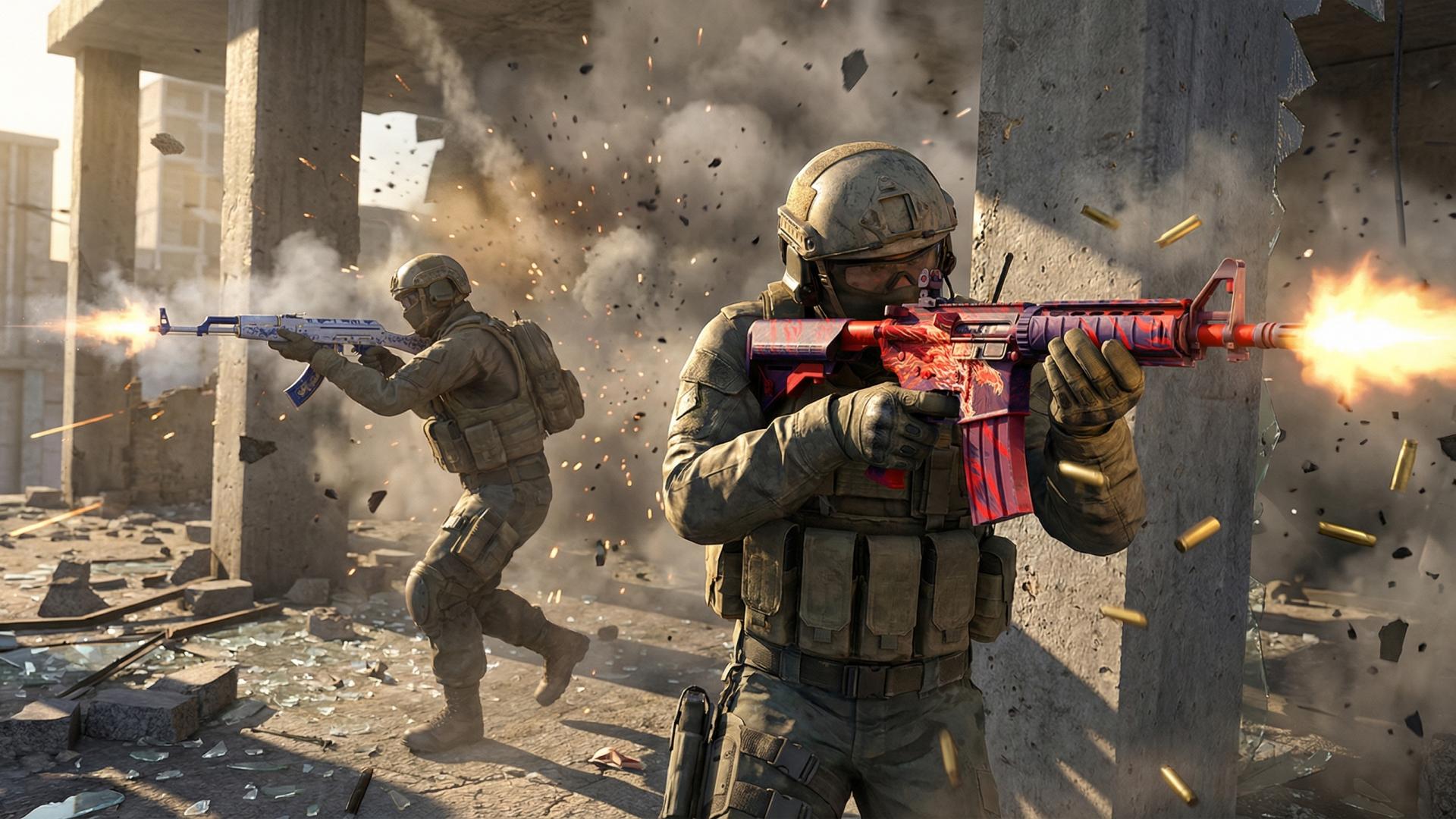
CS2 skins may look like simple cosmetics, but their prices tell a deeper story. Each one exists inside a market shaped by scarcity, player interest, and constant change. Prices can move every day. Sometimes they move fast, even when the skin itself stays the same.
This movement is not random. CS2 skins exist in a system where limited supply meets emotional demand. Community focus, competitive play, and game updates all affect prices.
To understand price changes, it helps to look past individual skins. The market reacts to rules and to player behavior. These forces explain why some cosmetic items rise slowly while others spike and fall.
The Foundations of CS2 Skin Pricing
Several core factors drive prices. These forces appear in almost every major price shift.
- Limited supply from cases, drops, and operations
- Player demand shaped by weapon use and visual style
- Community attention and shared expectations
When these factors line up, prices move more strongly.
Supply: Why Availability Matters More Than Design
Supply is the most fixed part of the CS2 skin economy. It cannot adjust quickly. Weapon cosmetics enter the game only through specific systems. When those systems change, supply tightens.
When cases stop dropping, their skins enter a fixed pool. No new copies appear. Over time, supply shrinks even more. Some skins stay locked in inactive accounts. Others disappear through trade-up contracts.
Rarity adds another layer. Higher-tier skins appear less often. Certain float values make some versions even harder to find. Because of this, items from the same collection can behave very differently.
Scarcity alone does not guarantee higher prices. But without limited supply, long-term growth rarely happens. Supply sets the boundaries for demand.

Demand: What Players Choose to Buy
Demand decides which skins reach higher prices. Players do not buy based on rarity alone. Emotion and visibility often matter more.
Weapon popularity plays a large role. When a weapon sees more use in competitive play, interest in its designs grows. This effect builds over time and lasts as long as the weapon stays relevant.
Visual style also matters. Clean looks and clear patterns attract more buyers. Over time, these preferences decide which skins stay liquid and which fade away.
Market knowledge shapes behavior too. Players who understand how CS2 skins move tend to choose based on long-term relevance, not impulse.
Hype Cycles: How Attention Moves Prices
Hype drives short-term price changes. It does not change supply, but it can shift demand very fast. When attention focuses on a skin, prices can rise faster than logic suggests.
Competitive events often trigger hype. Tournament streams show skins to large audiences. Viewers connect those with skill and success, which boosts demand quickly.
Content creators increase the effect. Streams, clips, and posts can push a skin into the spotlight overnight. In these moments, visibility matters more than long-term value.
Hype rarely lasts. When attention moves on, prices often fall back. Many sharp rises end with sharp drops. This pattern explains why sudden spikes often lead to quick corrections
Speculation and Short-Term Trading Behavior
Speculation makes hype stronger. Many players buy skins only to sell them later for a higher price. This behavior speeds up price moves in both directions.
During hype periods, speculation creates a loop. Prices rise, more buyers join, and prices rise again. At this stage, price movement feeds on itself instead of real demand.
Problems start when sentiment changes. Sellers rush to sell at the same time. Supply jumps quickly. Even small events can cause sharp drops, especially for skins with weak long-term demand.
Because of this, short-term price moves can mislead. A rising price does not always mean strength. A falling price does not always signal lasting weakness.
How Players React to Hype Signals
Hype comes from emotion, but player behavior follows patterns. Certain signs often appear when attention, not value, drives prices.
- Fast price increases without supply changes
- High trading volume in a short time
- Sudden exposure through tournaments or social media
These signs help players spot short-lived excitement. Players who notice them early can reduce risk.
Community Expectations and Market Narratives
The CS2 market also follows shared beliefs. Players treat some skins as long-term holds. They treat others as quick trades. These ideas shape behavior, even without strong data.
Belief often comes before proof. When the community sees a skin as valuable, demand grows and supports that view. Over time, this belief can turn into reality.
Narratives can change. As the game evolves, player taste shifts. Old assumptions fade. Prices often reflect this change before players notice it clearly.
Game Updates: Structural Changes That Move Prices
Game updates affect CS2 skin prices more deeply than hype. Hype fades, but updates change how the market works. When game mechanics change, player choices change too.
Weapon balance updates show this clearly. When a weapon becomes stronger, more players use it. Demand for its skins grows. This demand builds slowly and can last.
Case and drop updates affect supply directly. When cases leave active drops, players expect scarcity. Prices often rise as a result.
Visual and technical updates also matter. Better lighting or clearer textures can improve how skins look. Some gain appeal. Others lose it. Even small changes can shift long-term demand.
Operations, Drops, and Market Timing
Operations add many new skins to the market. During active operations, supply rises fast. Prices often drop as players rush to sell rewards.
After an operation ends, supply stops growing. No new skins enter the market. Over time, buyers absorb the extra supply. Strong skins recover first. The weak often fail to regain interest.
Timing plays a big role. Players who buy during oversupply often see better long-term results. Players who buy during peak excitement may face long price stagnation or losses.
Operations help explain delayed price movement. The market reacts not only to current supply, but also to what players expect in the future.
Comparing Short-Term and Long-Term Price Drivers
Not all price changes mean the same thing. Some come from quick reactions. Others reflect deeper forces. The table below shows the difference.
| Price Driver | Main Influence | Typical Duration |
| Hype cycles | Attention and exposure | Short-term |
| Speculative trading | Sentiment and momentum | Short-term |
| Weapon relevance | Competitive play | Medium-term |
| Supply scarcity | Limited availability | Long-term |
| Game updates | Structural changes | Medium to long-term |
Knowing which driver affects a price helps players read the market better. Short-term moves do not always break long-term trends.
Long-Term vs Short-Term Price Behavior
Timeframe matters in the CS2 skin market. Short-term price moves often come from emotion, attention, and speculation. They can be fast and hard to predict.
Long-term trends grow slowly. Scarcity, steady demand, and in-game relevance shape them. Skins linked to popular weapons and clear visuals usually perform better over time.
Many players mix up these timeframes. Some chase quick spikes and sell after prices fall. Others panic during short drops and sell skins that later recover.
Separating short-term noise from long-term structure reduces risk. Not every move needs action, and not every dip means weakness.
Why CS2 Skin Prices Keep Moving
CS2 skin prices change because the market keeps changing. Supply stays limited, but demand shifts with player taste, competitive trends, and community focus. Hype speeds up movement. Updates reshape expectations.
No single reason explains every price change. Most moves happen when several forces align, such as rising demand and tight supply or high visibility during major events.
Skins are not static cosmetics. They behave like market assets. Their prices reflect how players interact with the game and with each other.
Conclusion: Understanding the Market Behind the Skins
The CS2 skin market sits between structure and psychology. Supply sets limits. Demand gives direction. Hype adds volatility. Updates change the rules.
Players who understand these forces can handle price movement better. Instead of reacting emotionally, they can decide if a change is short-term or structural.
In a market that never stands still, knowledge offers the strongest advantage. Understanding why prices move does not remove risk, but it makes the market easier to read.