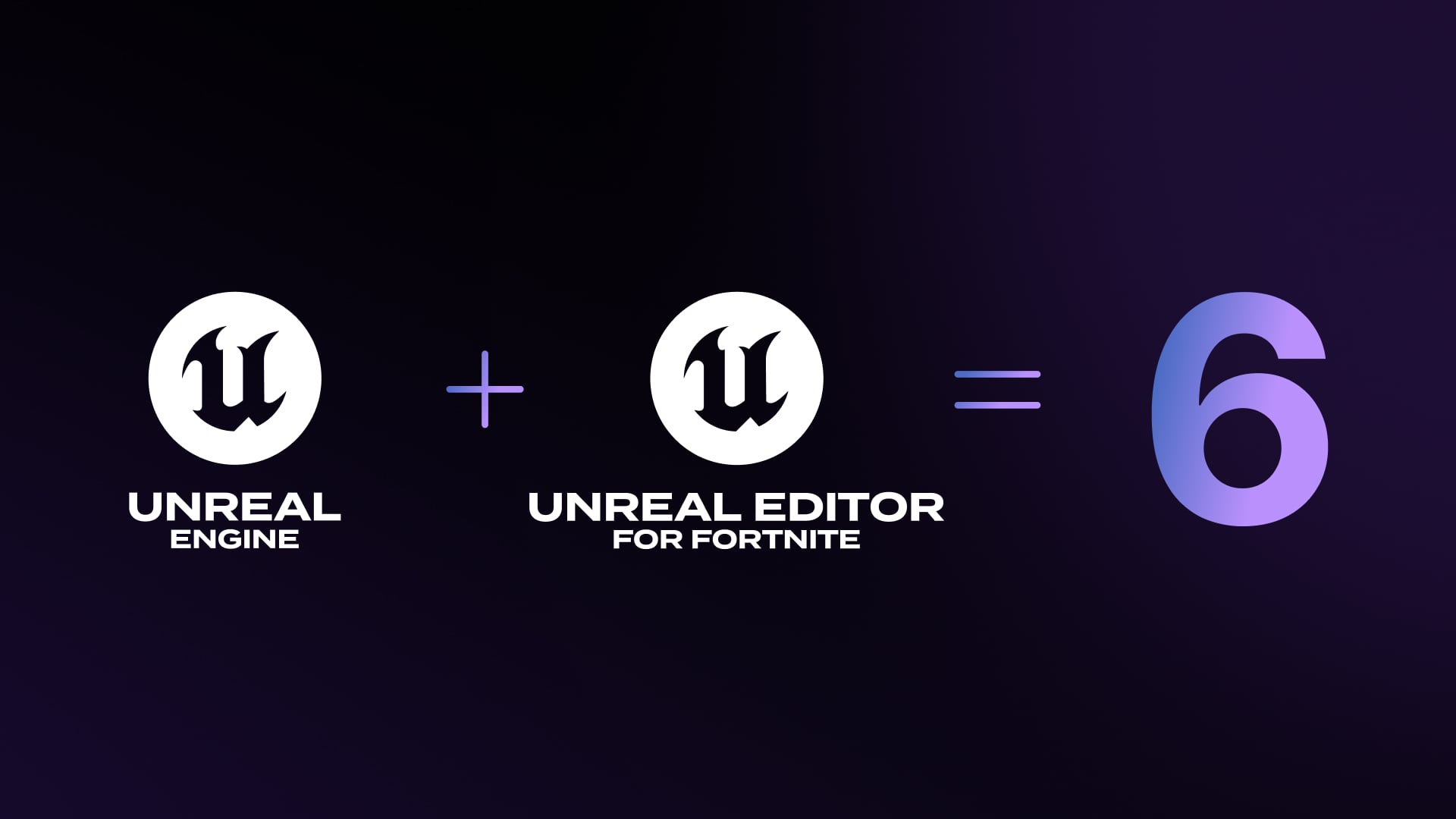
Epic Games has officially revealed its plans for Unreal Engine 6, offering the first detailed look at the next major evolution of its game development technology and confirming an Early Access release is targeted for the end of 2027.
In a blog post written by Marcus Wassmer, who leads Unreal Engine development at Epic Games, the company described UE6 as a unified platform that will combine the existing Unreal Engine 5 development stream with Unreal Editor for Fortnite (UEFN) into a single product. The goal is to bring together traditional game development and Fortnite’s live-service creation tools under one framework.
According to Epic, Unreal Engine 6 is not simply another iteration of UE5. Instead, the company says it is focused on three major pillars: a new gameplay programming model built around Verse, greater portability and interoperability between games and ecosystems, and expanded AI-assisted development workflows.
A key part of the transition is the introduction of Scene Graph, a new gameplay framework built entirely on the Verse programming language. Epic describes Verse as the foundation of its future development model, designed to support large-scale persistent worlds and live-service experiences. The company says the language combines concepts from functional, logic-based, and imperative programming while introducing transactional systems intended to simplify complex multiplayer and persistent game development.

Epic is also working toward technology that would allow Verse-powered experiences to automatically scale across multiple servers without requiring developers to write extensive networking code. The company believes this approach could simplify the creation of massive online worlds while making features such as persistence and save systems easier to implement.
Another major focus of UE6 is interoperability. Epic plans to expand support for open standards and make content, code, and economies more portable across different games and ecosystems. The company says Fortnite cosmetics will serve as an early example of this strategy, with systems being adapted into open UE6 modules that could allow compatible use of cosmetic items across connected experiences.
The engine will also place a significant emphasis on AI-powered development tools. Epic outlined plans to integrate support for large language models and generative AI systems through the MCP protocol, allowing developers to work with tools such as Claude, Gemini, Codex, and others. These features are intended to help automate time-consuming tasks such as level setup, character rigging, particle effects, lighting adjustments, and code-related workflows.
Epic noted that it has already been using AI-assisted workflows internally across game, engine, and backend development. The company highlighted applications including automated testing, code analysis, crash investigation, incident response, and custom tool creation. Lessons learned from those efforts are expected to influence Unreal Engine 6’s development tools and workflows.
Despite the significant changes, Epic says developers working with Unreal Engine 5 should have a clear migration path. Existing technologies such as Actors and Blueprints will remain available in early UE6 releases before eventually being phased out once the new framework reaches maturity. Conversion tools are also planned to help studios transition projects to the new system.
Epic is targeting Unreal Engine 6 Early Access for late 2027, with a full release expected roughly 12 to 18 months later. The company has already launched a public UE6 development branch on GitHub, giving developers visibility into ongoing work as development progresses. Epic also indicated that Unreal Engine 5.8 is expected to be the final planned UE5 release, although it has not ruled out a potential 5.9 update if necessary.
With Unreal Engine 6, Epic is aiming to reshape how games are built by bringing together traditional game development, live-service creation, interoperability initiatives, and AI-assisted workflows into a single platform. More technical details are expected to be shared as the engine moves toward its Early Access launch in 2027.