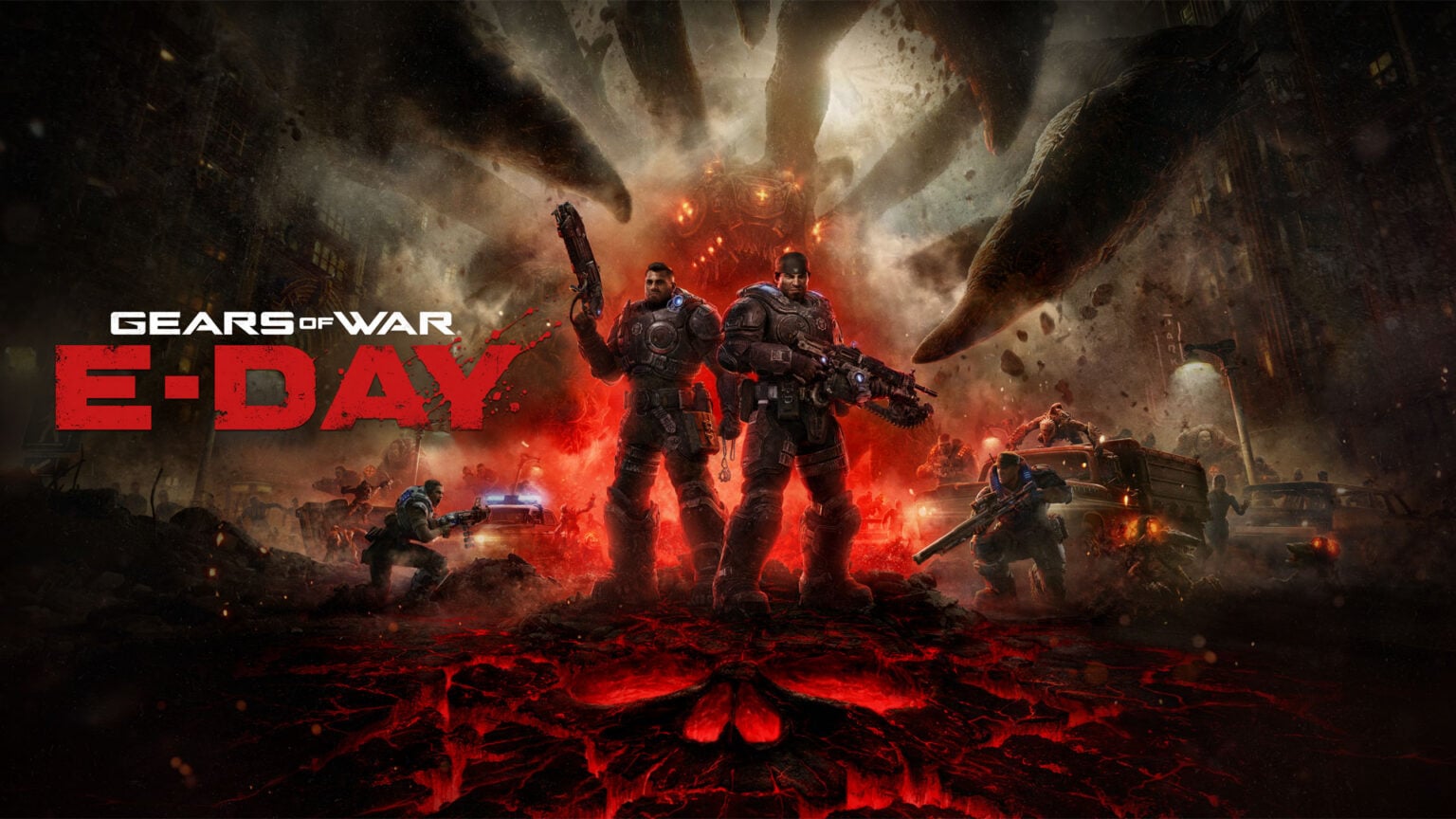
Bloomberg journalist Jason Schreier has clarified his comments about the reported $500 million development budget for Gears of War: E-Day, explaining that the figure is real but doesn’t necessarily represent the cost of making the game alone. He also warned against using the number to judge the game’s financial performance without understanding how Xbox accounts for development spending.
Speaking in a video published on his YouTube channel, Schreier addressed how the figure had been interpreted in online discussions, particularly arguments between console fans. He explained that the number originally came up during a broader conversation about rising development costs across the gaming industry.
The discussion involved EA’s decision to prioritise Star Wars Battlefront 3 over Mass Effect 5, with both projects expected to cost hundreds of millions of dollars. Schreier pointed to EA’s approximately $18 billion debt burden, saying the publisher could face more than $1 billion in annual interest payments alone.

His broader point was that game development costs have increased considerably faster than sales, creating financial pressure for major publishers.
Schreier explained that development budgets are largely accounting figures, and their meaning can vary depending on how individual companies calculate them. He recalled a studio executive telling him that a game’s budget “depends who you ask.”
Most development spending comes from labour costs, which companies often calculate using a monthly burn rate for each employee. According to Schreier, this can range from $15,000 to $30,000 per person in North America, covering salaries, benefits, office space and equipment. Longer development cycles increase these expenses, even when the number of employees remains unchanged.
The Coalition’s reported spending may also include work that isn’t directly connected to Gears of War: E-Day. Schreier suggested that the studio’s responsibilities could cover technical support for other Xbox teams, Unreal Engine development and custom technology work.
He also explained that publishers handle bonuses, employee equity and capital expenses differently, making direct budget comparisons between companies unreliable.
Xbox’s internal financial structure adds further complications. Schreier pointed to annual budget approvals, spending clawbacks and hiring freezes as factors that can affect how development costs are recorded. Game Pass also makes it harder to determine how much revenue should be attributed to individual games.
Schreier added that Halo Infinite has a higher reported budget than Gears of War: E-Day, although he did not provide a specific figure for the former.
The journalist also addressed the game’s reported commercial performance. Referring to a figure he recalled being published by The Verge, Schreier said Gears of War: E-Day had sold approximately 400,000 copies, describing those numbers as “do not look good.”
However, he cautioned that comparing those sales directly against the reported $500 million budget cannot establish whether the game was profitable, particularly given the additional costs potentially included in the figure and the complications surrounding Game Pass revenue.