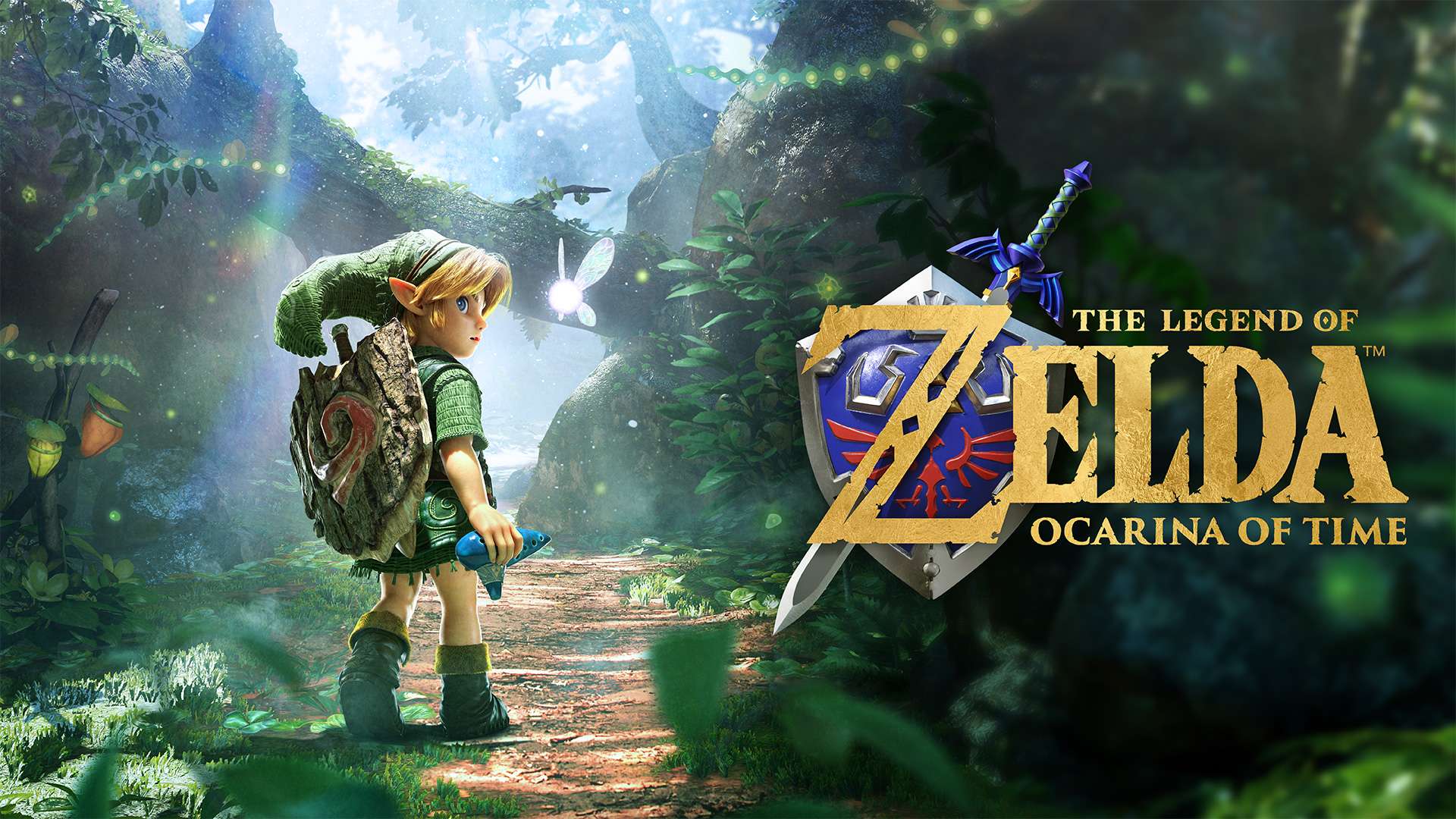
Nobody expected Nintendo to remake The Legend of Zelda: Ocarina of Time. The announcement caught plenty of fans by surprise, and understandably so. This is one of those classics you wouldn’t expect Nintendo to revisit on such a scale. It was the first proper 3D Zelda game on the Nintendo 64, and its influence can still be seen in modern games. Remaking something with that kind of legacy was always going to be a challenge.
Nintendo has managed to pull it off, though. The remake stays faithful to the original’s gameplay and design while bringing in plenty of modern improvements. The biggest difference, without question, is the completely overhauled presentation.
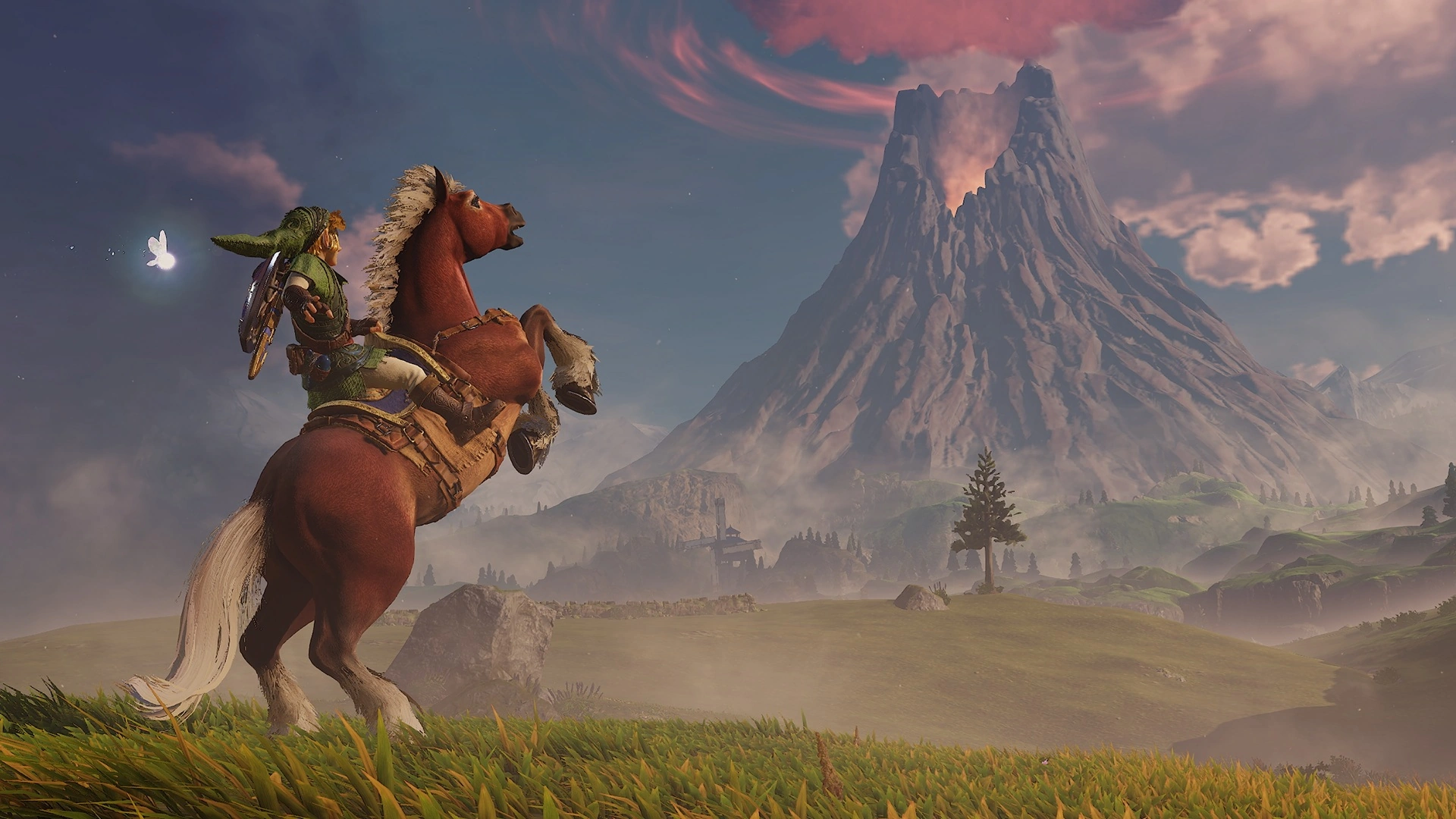
We’ve seen developers approach remakes in different ways. Some prefer to change almost everything, as Square Enix did with Final Fantasy VII Remake, which made substantial changes to the story and other elements. Nintendo has taken a more balanced approach here. The cutscenes, gameplay, levels, dungeons and exploration remain largely faithful to the original. Most of the changes are there to make the experience feel more modern, including improved controls, some adjustments to dungeon layouts and a much better camera system.
Targeting has also been improved, and Link now has a dedicated jump button alongside a separate jump attack. These might sound like small additions, but they make a noticeable difference to how the game controls. Despite all these changes, it still feels like the classic Zelda experience.
Having played several remakes of classic games, including Capcom’s Resident Evil 2, I personally prefer Nintendo’s approach. It strikes a good balance between preserving what fans loved and improving things that haven’t aged particularly well. I wouldn’t be surprised if more developers started following this example.
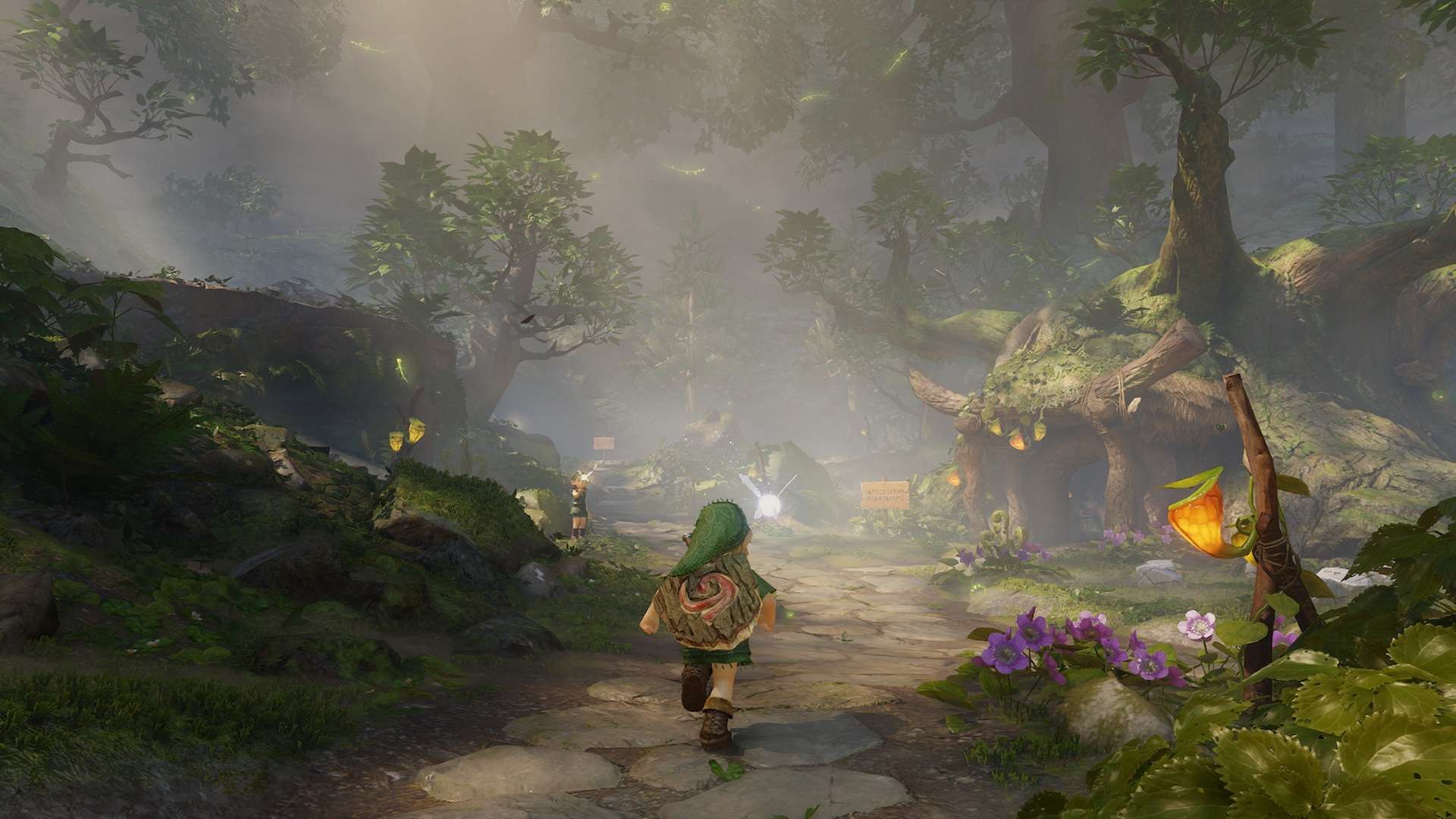
The story is pretty much what you’d expect from the title. It’s a time-travelling adventure where you play as Link during two different periods of his life, as Child Link and Adult Link, while trying to stop Ganondorf. The main story remains unchanged. You begin your adventure in Kokiri Forest and eventually meet your horse, Epona, just as before. Nintendo has added new cutscenes and revised some of the dialogue and script, but the narrative itself is essentially the same. These additions do make certain moments feel more dramatic, giving the adventure a greater sense of scale.
There’s also a basic day-night cycle, while NPCs react to events as the story progresses. Link remains a silent protagonist, so don’t expect much dialogue from him. Some familiar characters have slightly different personalities this time, although their designs are still very close to the original.
Of course, Ocarina of Time previously received a remake on Nintendo 3DS. Personally, I’d consider this the first proper remake, mainly because of how extensively Nintendo has updated the visuals and gameplay.
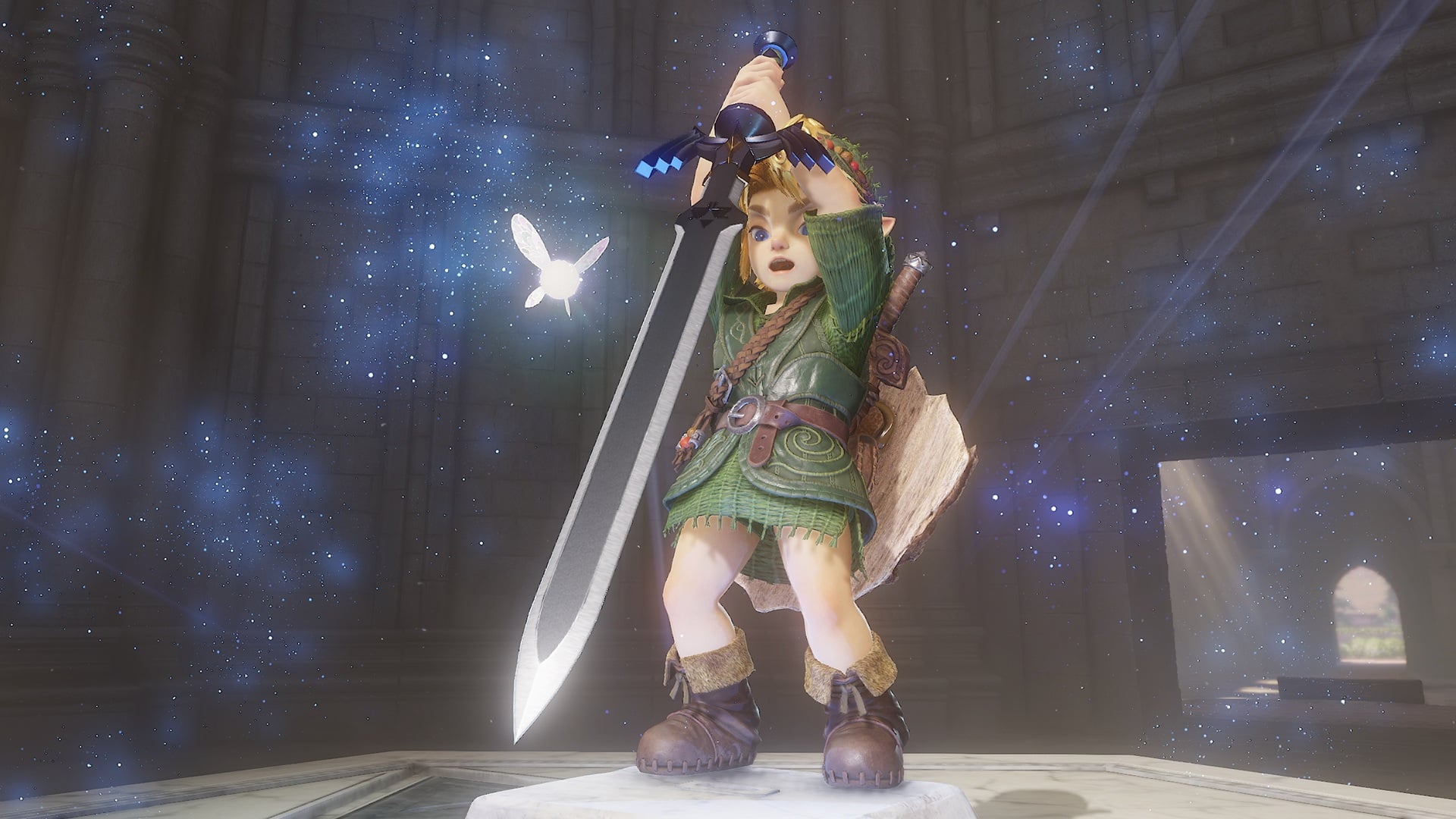
The adventure takes place across Hyrule, with Hyrule Field serving as the main hub connecting different locations. This isn’t a fully open-world game, although some areas are fairly large and give you plenty of room to explore. The story centres on the Triforce, a legendary source of power that Ganondorf wants to obtain. Navi, a magical talking fairy, accompanies you throughout the journey, regularly offering directions and telling you what to do next.
As for the gameplay, it’s classic Zelda. You explore Hyrule, enter dungeons and solve puzzles to progress. Most dungeons follow a familiar structure where you work through different puzzles before eventually facing a boss. There’s combat, some light platforming and a selection of side quests to complete as well. Don’t expect traditional RPG mechanics, though, because that’s never really been what Ocarina of Time is about.
One of the biggest improvements for me is the camera. The original game restricted the camera to fixed angles in certain areas, which could be frustrating. That’s no longer an issue. You now have full control over the camera and can freely move it in any direction. Instead of relying on the automatic jumping system from the original, you can now jump manually. Interestingly, this makes certain platforming sections a little more challenging.
The quality-of-life improvements are also welcome. I particularly liked the changes to item and equipment management, which make switching between different items much easier. There’s also a quest tracker, essentially a log you can consult whenever you’ve forgotten your next objective or aren’t sure where to go. It’s a useful addition, especially in a game that encourages exploration.
Another thing I really appreciated was the pacing. The adventure kept me interested throughout, and I never felt that it was dragging or wasting my time. There’s a decent amount of content here too, with a complete playthrough taking roughly 20 to 30 hours.
Difficulty is fairly low, however. The improved controls have arguably made the game easier than the original, while most puzzles are straightforward enough that newcomers shouldn’t struggle too much. I can see some longtime fans being disappointed by the reduced challenge, but personally, it didn’t bother me.
The dungeons were among my favourite parts of the original, even if some could be incredibly frustrating. The Water Temple is probably the most obvious example. Thankfully, Nintendo has made some adjustments to its water-based puzzles, making the experience less irritating than before. Other memorable dungeons, including the Forest Temple and Shadow Temple, are still here. I imagine everyone will have their own favourite.
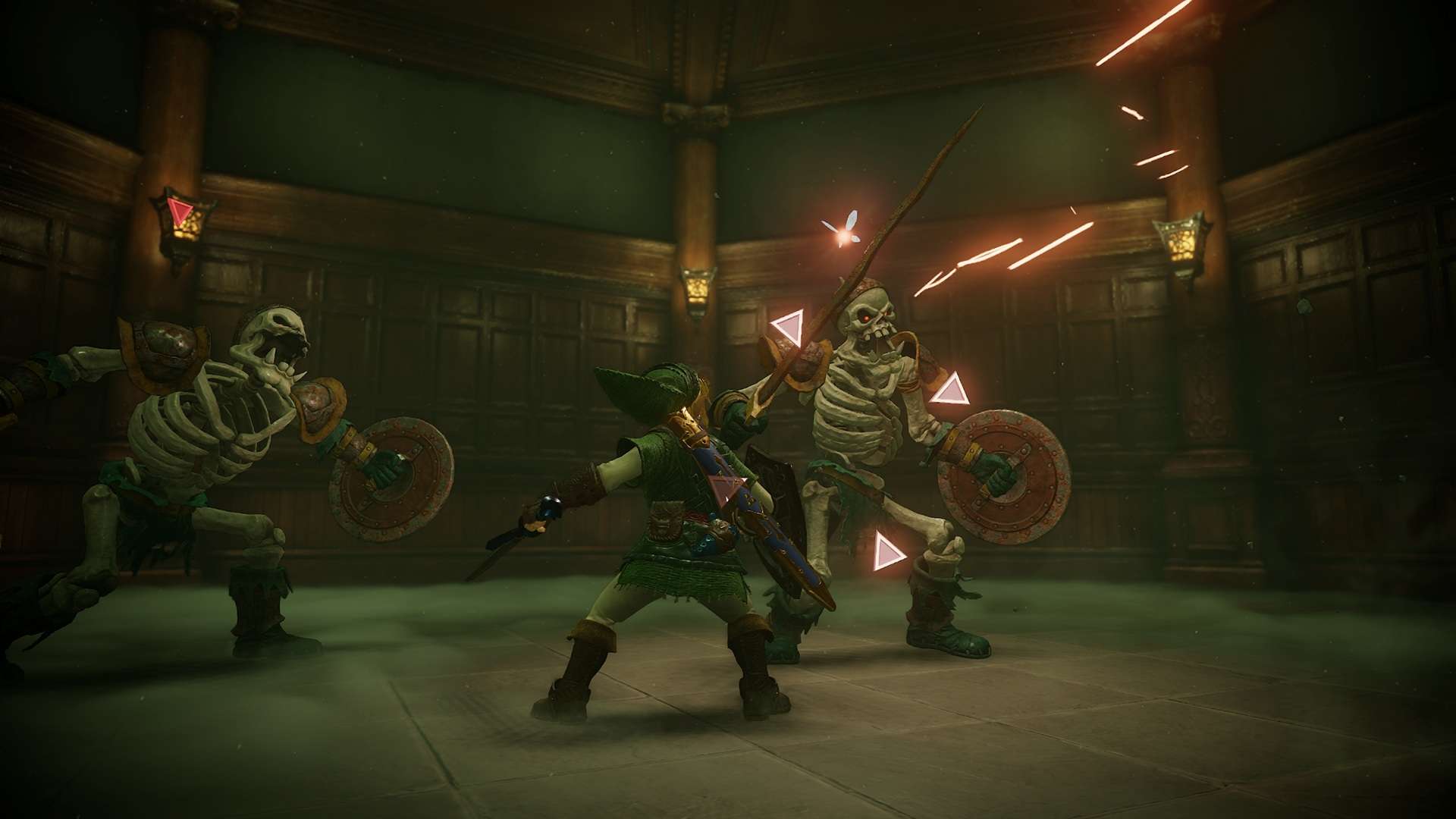
Combat is relatively simple. You can lock onto enemies, dodge their attacks, block and perform jump attacks. Link also has access to different items that can be used during fights. There isn’t much more depth to it than that, although it works well enough.
For me, Ocarina of Time Remake is easily one of the best games available on Nintendo Switch 2. I’m not even that big of a Zelda fan, which probably says something about how much I liked playing it. Anyone who missed the original Nintendo 64 release or the 3DS version should seriously consider experiencing the game this way.
That doesn’t mean everything has been fixed. Some frustrating elements from the original are still present. Nintendo has clearly addressed a number of issues, but its commitment to preserving the original experience means certain design choices remain untouched. Depending on what you expect from a remake, that faithfulness could be a positive or a drawback.
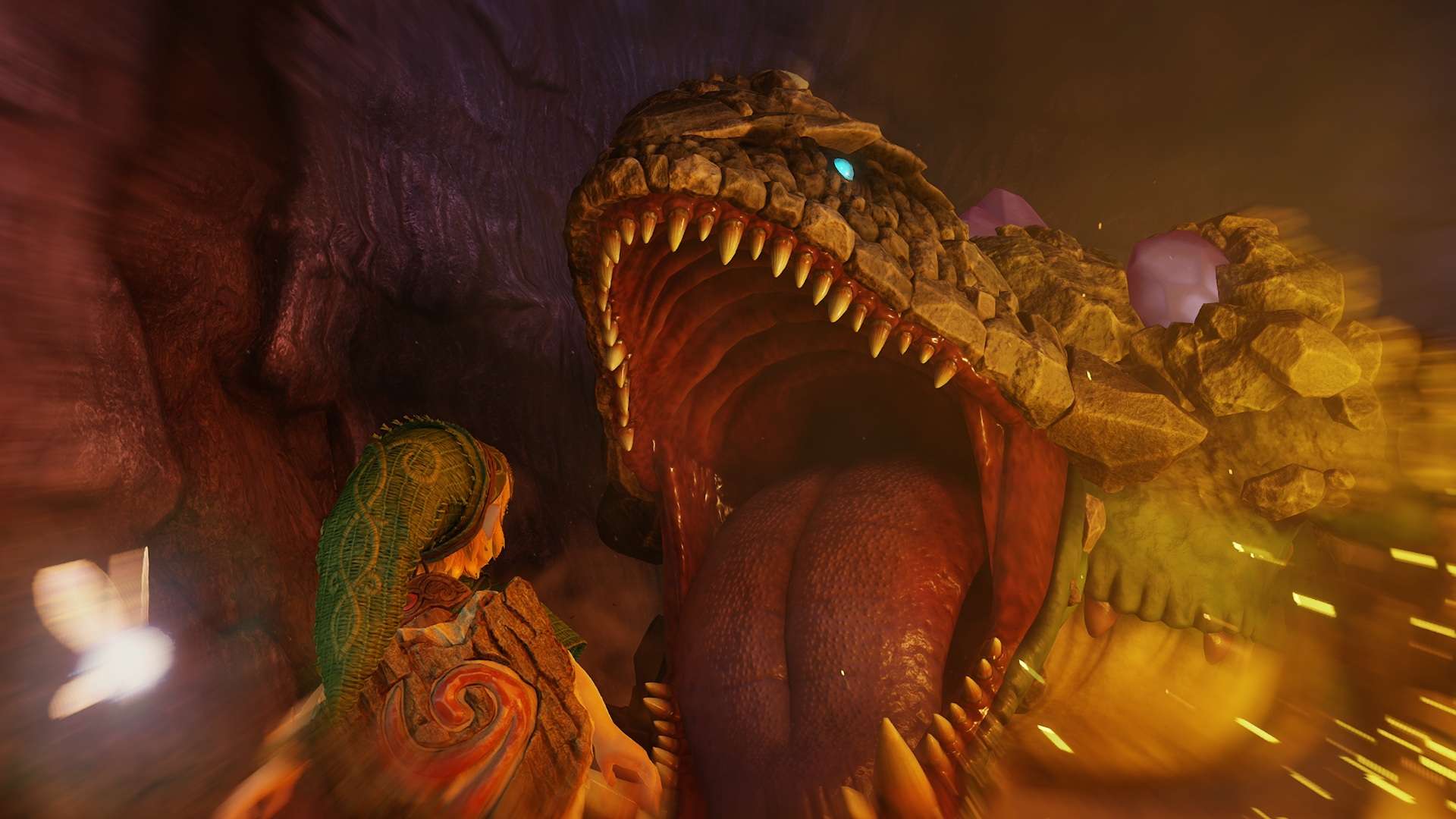
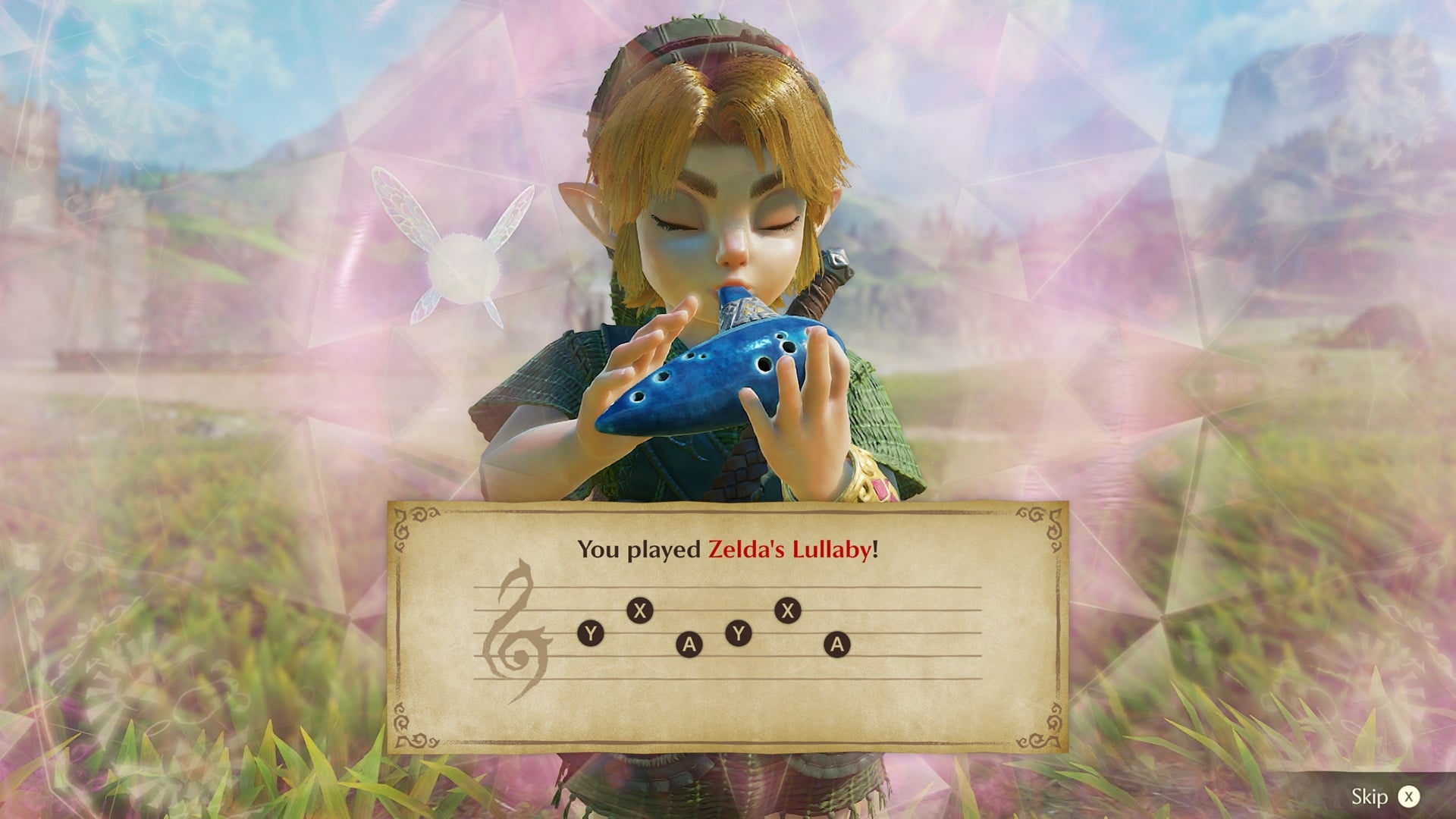
Performance was another pleasant surprise. The game runs at 60 FPS and looks absolutely beautiful on Nintendo Switch 2. I’d comfortably call it one of the console’s most impressive technical showcases. The art direction plays a big part in that. Nintendo has gone for a more realistic visual style while retaining the familiar Zelda look. It’s a substantial graphical upgrade, yet the characters and world are still instantly recognisable.
Game Information
- Game Title: The Legend of Zelda: Ocarina of Time
- Price: $59.99
- Publisher: Nintendo
- Developer: Nintendo EPD
- Platform: Switch 2
- Review Code: Provided by the publisher