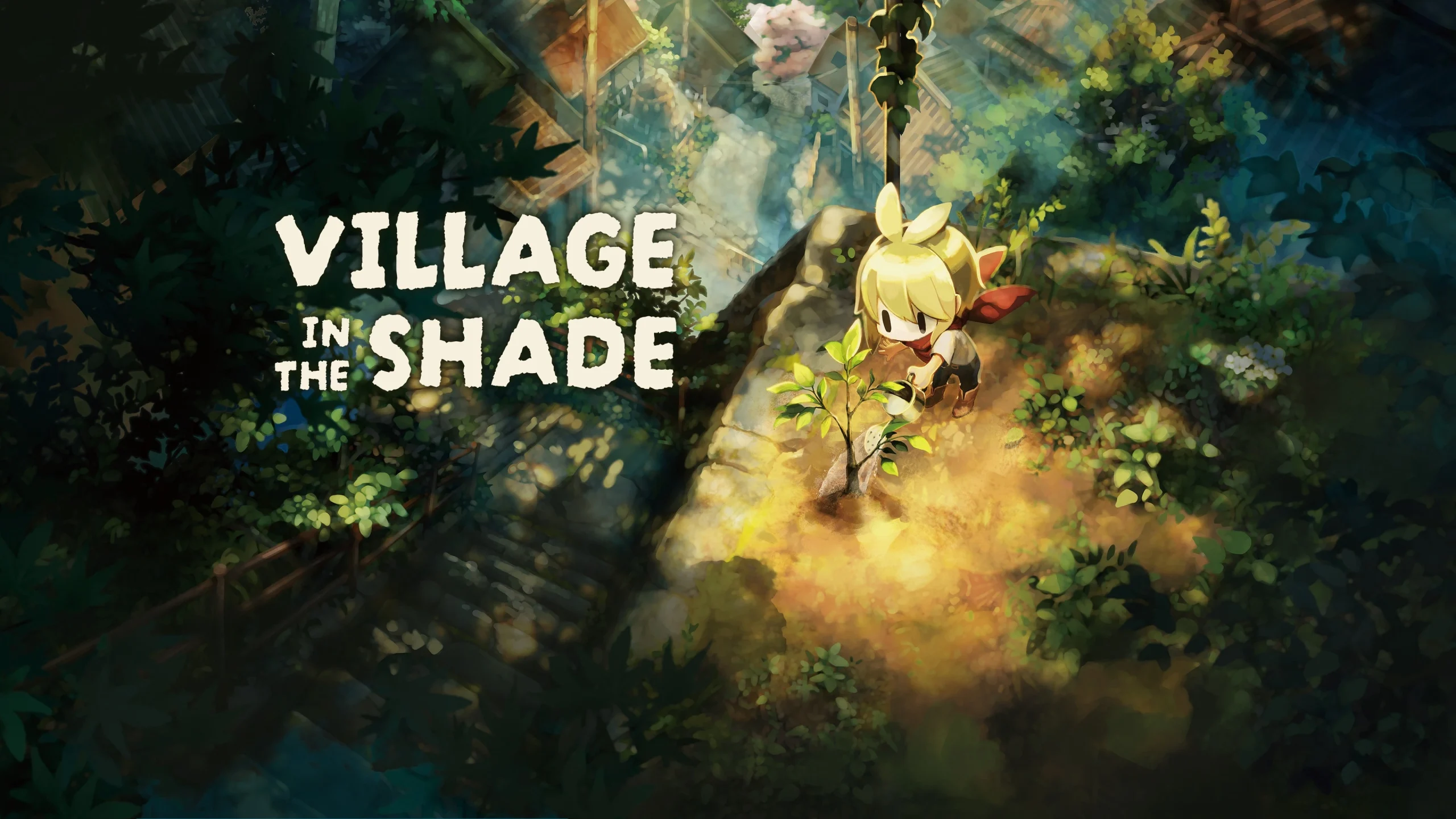
Village in the Shade, published by NIS America, is a farming simulator that takes a rather unusual approach to the genre. Farming games are hardly in short supply these days, but this one caught my attention with its mix of familiar Harvest Moon and Story of Seasons mechanics and supernatural horror. The art style reminded me quite a bit of Yomawari, although the actual gameplay is very different.
You play as a newcomer who wakes up in a remote Japanese mountain village with no memory of how you ended up there. Before that, the game opens with a brief sequence showing another character falling into a hole and dying. His disappearance remains a mystery years later. The villagers aren’t particularly welcoming when you first arrive, either. They’re suspicious of outsiders, and earning their trust takes time.
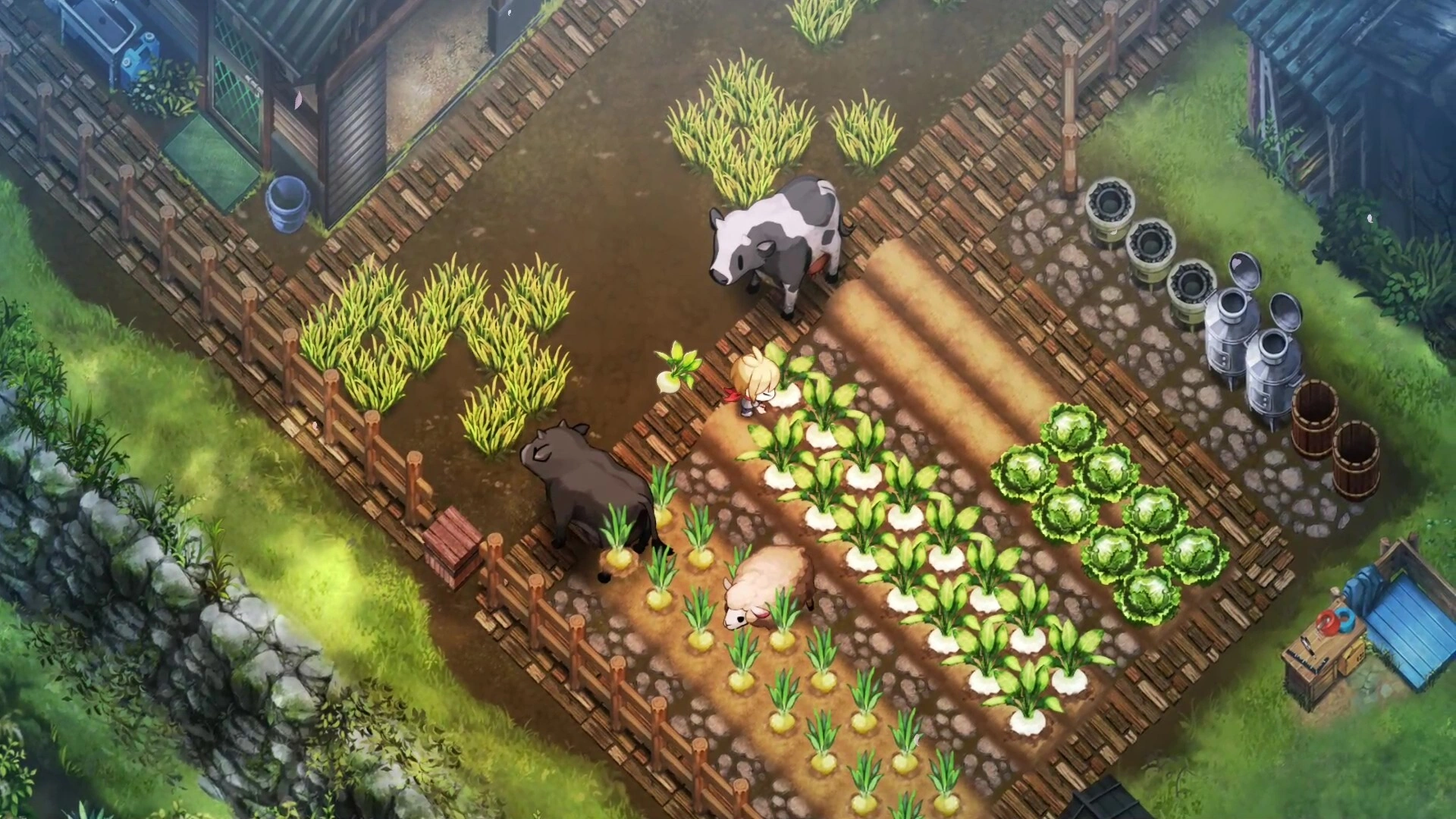
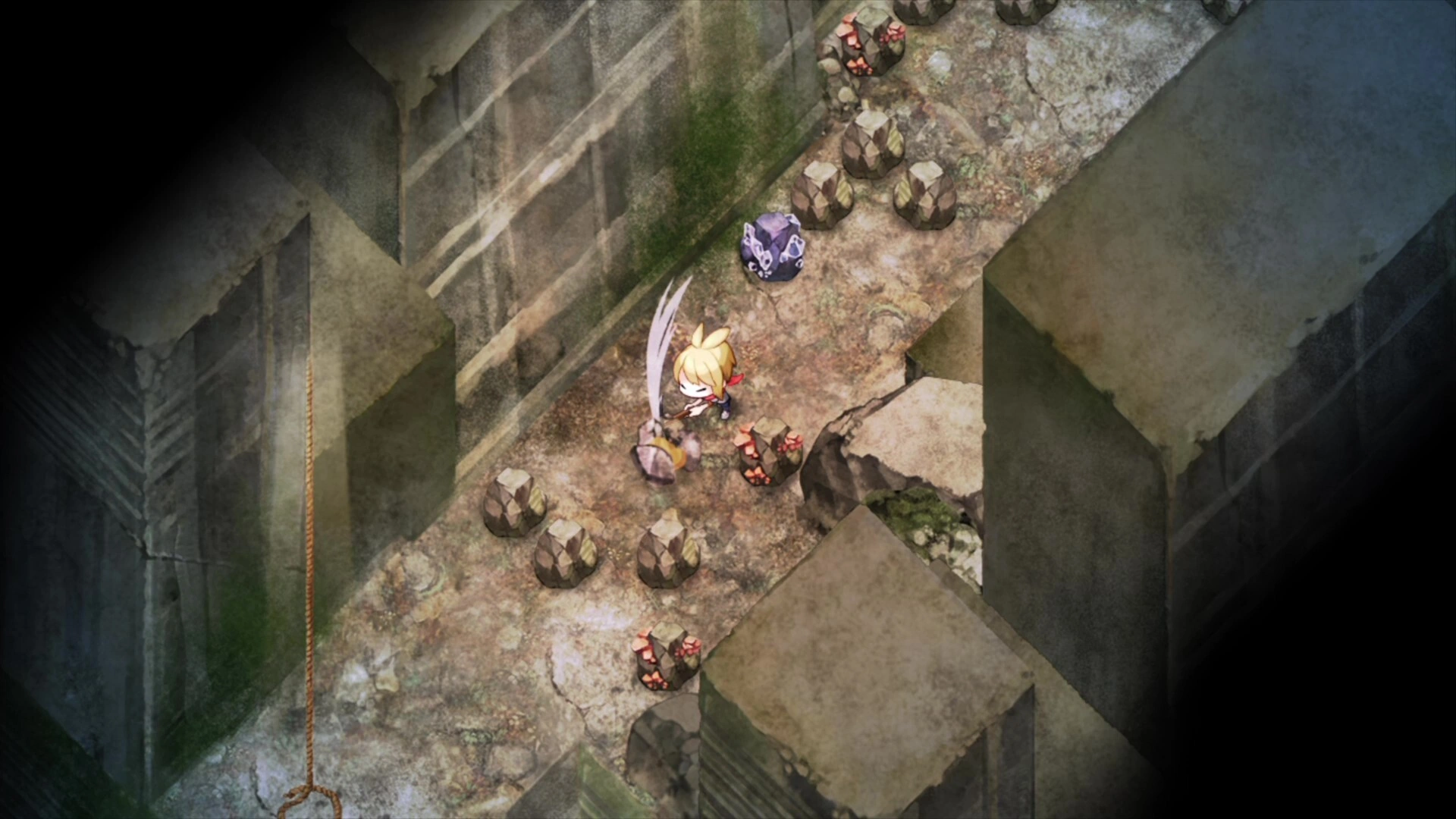
Eventually, the village mayor gives you a farm that also serves as your home. The arrangement is simple enough. You get somewhere to live, and in return, you’re expected to look after the land. Anyone familiar with farming simulators will feel right at home here. You begin with basic tools, including an axe, pickaxe, hoe and watering can. From there, you clear the land, purchase seeds, grow crops and sell your harvest. There’s also fishing, chopping down trees, breaking rocks and collecting materials. As you make progress, you can expand your farm and eventually build a barn to raise livestock such as chickens and cows.
The farming itself is fairly standard, but I enjoyed it. What bothered me more was how long the game takes to get going. The opening hours are quite slow, with the story and gameplay both taking their time to introduce everything. You’re given little freedom at first, and much of those early hours involves following instructions. I would’ve preferred to get into the proper farming routine sooner. Thankfully, things improve considerably once the game starts letting you do more on your own.
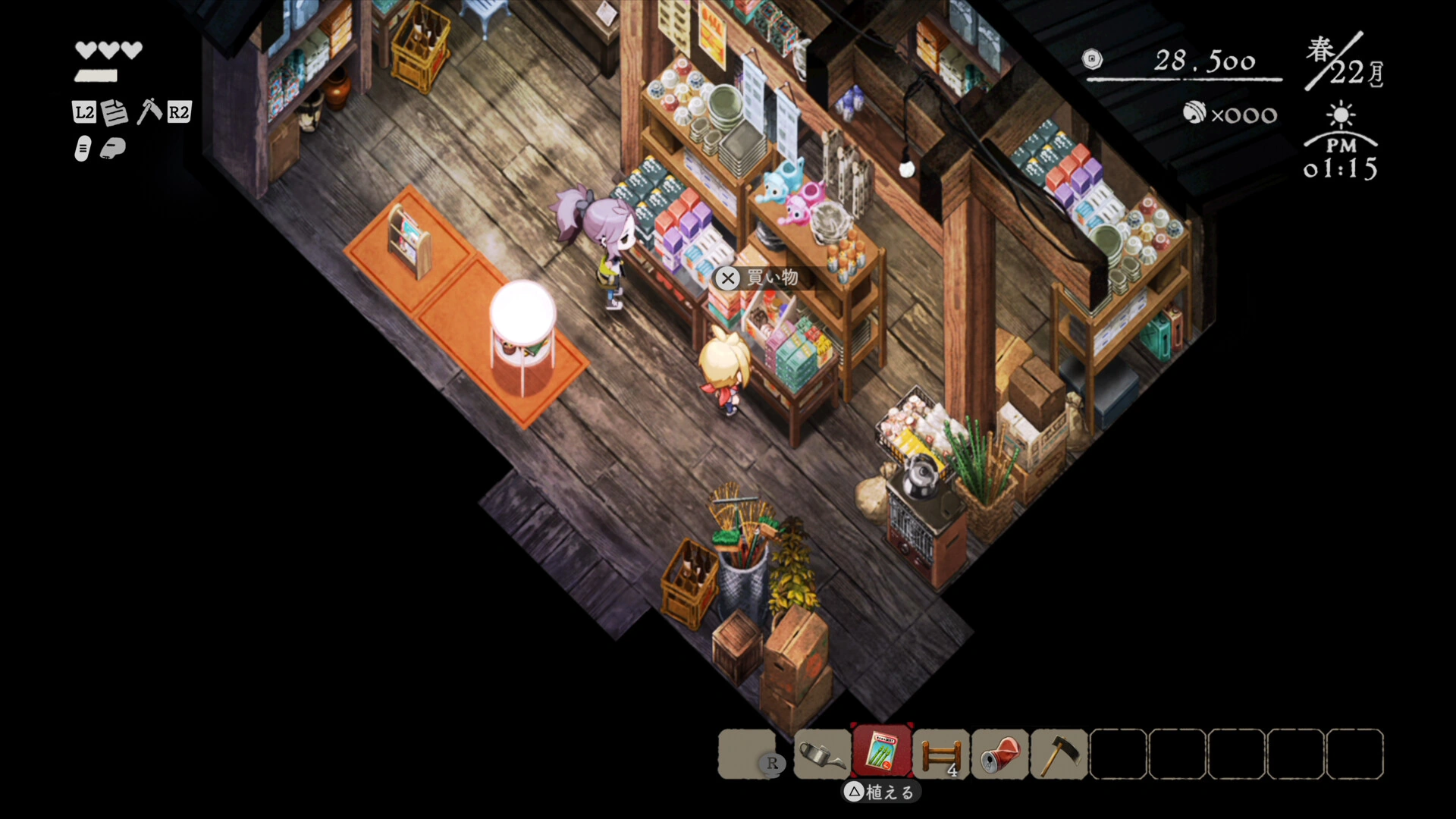
There’s quite a bit to discover outside the farm as well. An abandoned quarry provides metals and other useful resources, while a skill system gives you another reason to keep progressing. You can also dig up items during exploration and exchange them for rewards. I was surprised by how many additional mechanics the game continued introducing several hours into my playthrough. There’s certainly no shortage of things to occupy your time.
One feature I particularly enjoyed was hunting. You can use a bow and arrow to hunt wildlife or place traps to catch animals for meat. It’s a relatively small addition, but I liked having another activity outside the usual farming routine. It also feels appropriate given the darker atmosphere the game is going for.
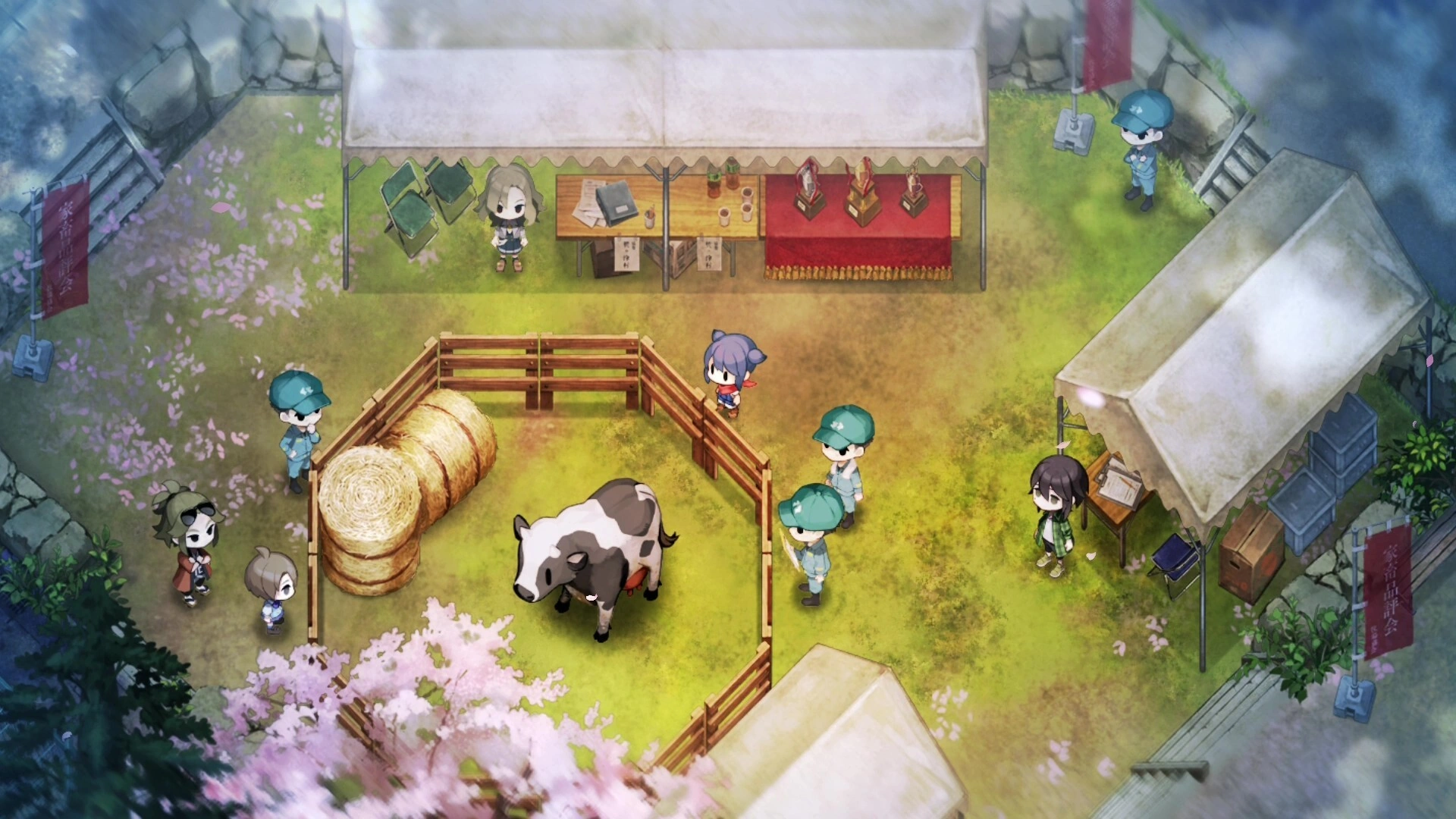
The villagers themselves are another important part of the experience. There’s a community centre where you can submit crops and other items in exchange for rewards, and you’ll gradually build relationships with the people living around you. Each character has a story of their own, which you uncover as you spend more time in the village and move through the seasons. Some villagers are initially quite distant, but I enjoyed getting to know them. Their personalities become much more interesting once you learn more about their lives.
Of course, there’s something rather strange about this village. Its history is far from pleasant, and the residents follow a strict set of rules. You’re expected to remain indoors after a certain time, keep other people’s secrets and cooperate with the community. There are even instructions about what you should do when you hear particular sounds. Ignoring these rules can have consequences, although the reasons behind them aren’t immediately explained.
This is also where Village in the Shade starts feeling very different from a conventional farming simulator. During the day, you’re free to tend your crops, explore the surrounding areas and interact with villagers. Nighttime is another matter. Strange supernatural events begin occurring after dark, and there’s something roaming around the village that can even appear outside your house.
As you progress, the story begins revealing more about the village’s history and how your character is connected to everything happening there. The disappearance shown during the opening also becomes an important part of the mystery. Was that character actually killed, did he simply disappear, or has he somehow returned? I found myself increasingly interested in learning the answers.
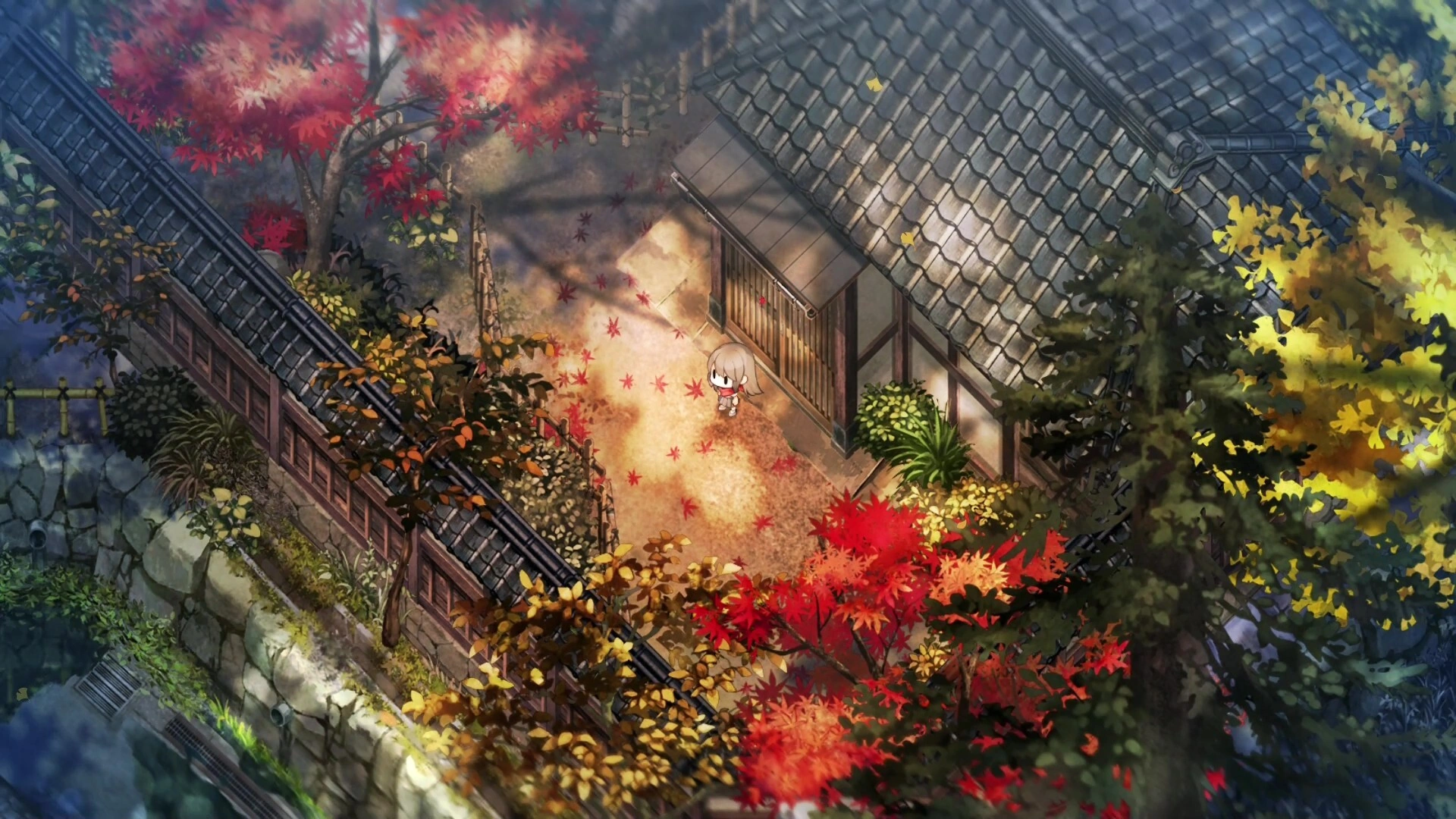
For me, the story is easily the best part of Village in the Shade. The initial setup takes longer than necessary, but once the central mystery starts developing, I found it difficult to stop playing. The horror and thriller elements work surprisingly well with the farming mechanics. I also appreciated how the game handles its characters. Their personal stories aren’t simply handed to you, and getting to know them requires spending time in the village. It gives you a good reason to interact with the community rather than spending all your time working on the farm.
There is also a Sunshine mode for players who aren’t interested in the horror elements. In this mode the rules can’t be broken and the scary events don’t trigger, which makes it closer to a traditional farming simulator, although it also changes some of the dialogue and tone. You choose the mode at the start and can’t switch later. I didn’t play that mode separately, so my impressions are based entirely on the normal experience. Personally, I think removing the horror would take away much of what makes this game interesting. If you’re interested in the full story, I’d recommend sticking with the normal mode.
The world also feels reasonably large when you first start exploring. There are plenty of locations around the village, and the map is useful for keeping track of where everything is. After spending enough time there, I became familiar with the surroundings and could find my way around without much trouble. I particularly enjoyed exploring once the game stopped restricting where I could go.
Having played Yomawari previously, I was quite surprised by the direction the developers took with Village in the Shade. Rather than making another straightforward horror game, they’ve brought supernatural storytelling into a farming simulator. It’s an unusual combination, but I think they’ve managed to make it work rather well.
I played the game on Nintendo Switch 2 and had no significant complaints about its technical performance. It ran well in both docked and handheld modes, and I didn’t encounter any noticeable issues during my time with it.
Village in the Shade is worth checking out if you enjoy farming simulators and have an interest in horror or mystery stories. You’ll need some patience during the opening hours, especially while the game is still restricting your freedom and introducing its mechanics. Once those limitations ease, there’s a lot more to enjoy. The farming doesn’t do anything particularly new, but the characters and the mystery kept me invested. I spent much of my time looking forward to the next story development rather than simply worrying about my crops. It turned out to be a pleasant surprise.
Game Information
- Game Title: Village in the Shade
- Price: $49.99
- Publisher: NIS
- Developer: Nippon Ichi Software
- Platform: Switch 2
- Review Code: Provided by the publisher