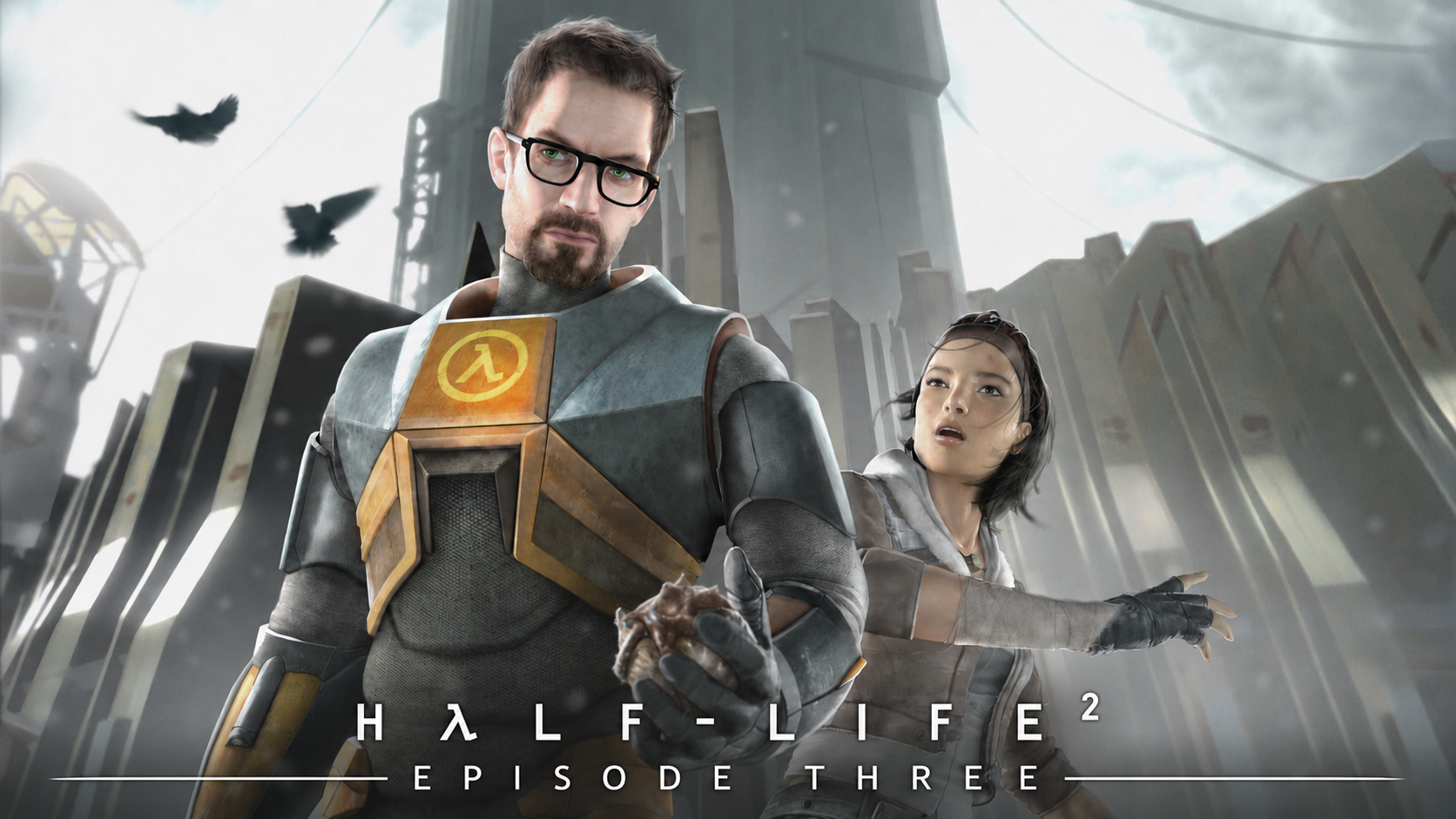
Assets and source code from Valve’s cancelled Half-Life 2: Episode Three have reportedly leaked online, alongside previously unreleased beta maps from Portal 2 and potentially other Valve projects. The material surfaced on a Discord server dedicated to researching the Portal 2 beta, according to a post on the GamingLeaksAndRumours subreddit.
The Half-Life 2 Episode Three leak appears to have originated from an unidentified individual who may also be responsible for the recent F-Stop map leaks. The latest batch reportedly contains additional Portal 2 beta maps that had not been publicly available before.
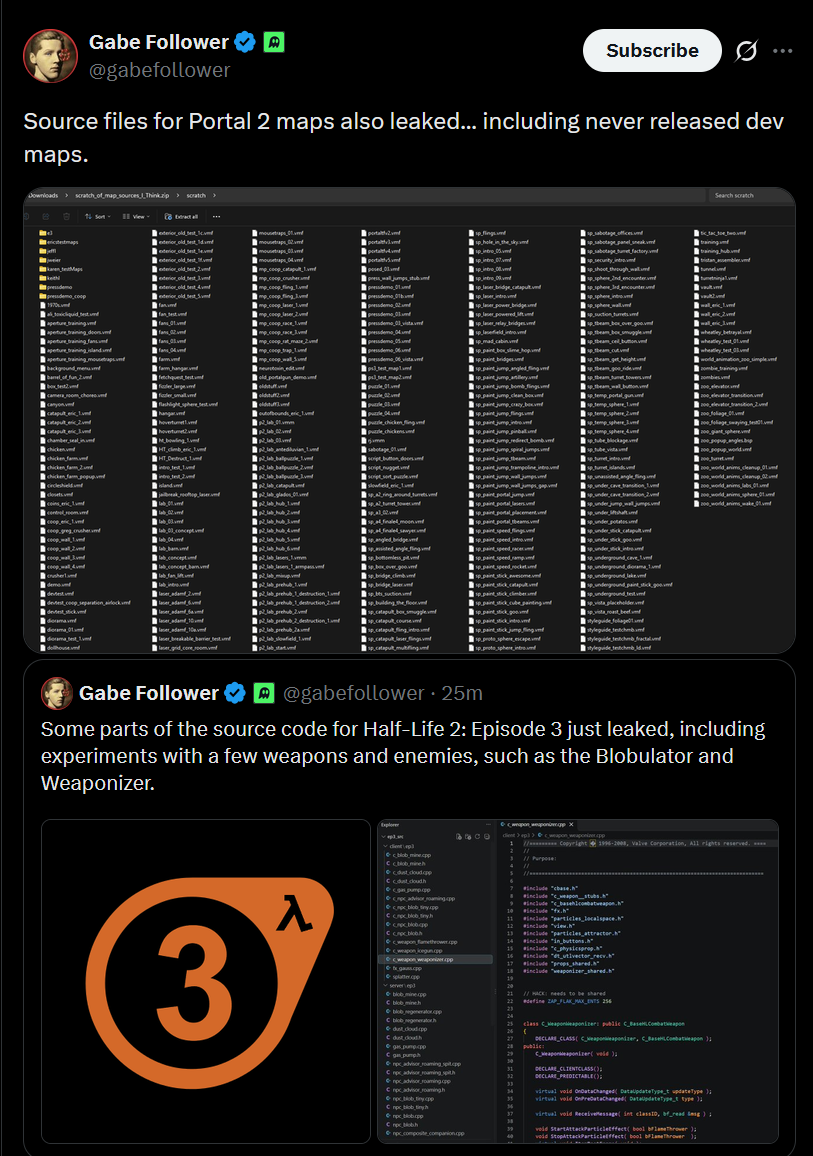
Lambda Generation has also reported that source code from Half-Life 2: Episode Three is included in the leak, warning that the material may contain spoilers related to the cancelled game’s story and development.
The files do not appear to be connected to HLX, Valve’s rumored unannounced Half-Life project. Instead, the leaked content may originate from development iterations dating back to 2008, 2012, or 2015. These versions of Episode Three reportedly differed considerably from one another.
Half-Life 2: Episode Three was originally planned as the conclusion to Valve’s episodic trilogy, following the cliffhanger ending of Episode Two. The story was expected to take players to the Arctic, where the mysterious research vessel Borealis would play a major role.
Development eventually stalled as Valve shifted its attention toward Source 2 and other projects, including Left 4 Dead and Portal 2. The game was ultimately abandoned, with reports pointing to development fatigue and difficulties introducing new gameplay mechanics.
In 2017, former Valve writer Marc Laidlaw published “Epistle 3,” a thinly disguised account of the story he had envisioned for the unreleased episode.
Meanwhile, dataminers examining updates to Valve’s Source 2 engine have repeatedly uncovered references to HLX, a rumored new Half-Life game. Previous leaks have described the project as a single-player, non-VR experience featuring advanced physics, voxel-based destruction, and dynamic enemy AI.