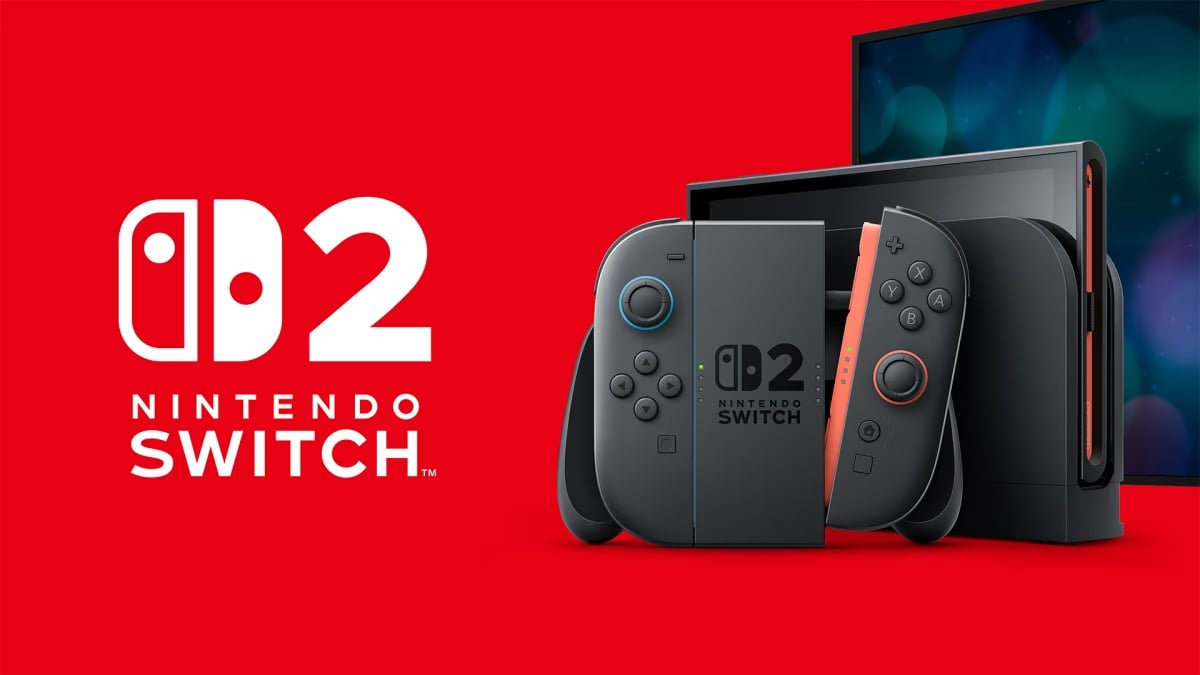
Nintendo shipped 6.49 million Switch 2 consoles during the six months ending September 30, 2026, representing a 37.4% decline from the 10.36 million units shipped during the same period last year. Despite the drop in hardware shipments, software sales increased 18.8%, while the company’s operating profit rose 49.1%.
According to Nintendo’s latest financial results, cumulative Nintendo Switch 2 sales have now reached 26.35 million consoles worldwide, alongside 73.21 million software units. The July to September quarter accounted for 2.67 million console shipments, compared to 4.54 million a year earlier.
The year-over-year decline comes after the console’s initial launch period in 2025, when demand was considerably higher. Nintendo said consumers continued adopting the platform during the latest quarter, supported by new game releases.
Nintendo reports hardware figures on a sell-in basis, which includes shipments to retailers and business partners, along with direct sales to consumers.
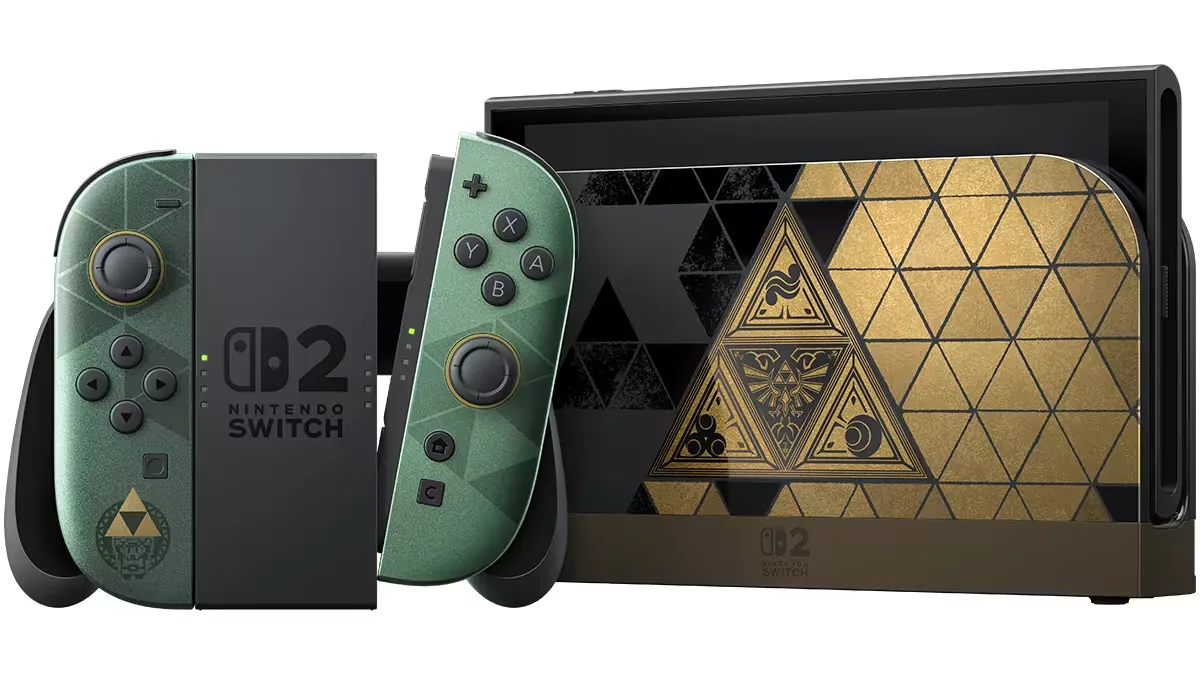
Nintendo Hardware and Software Sales Comparison
| Category | Apr-Sep 2025 | Apr-Sep 2026 | Change |
|---|---|---|---|
| Switch 2 hardware | 10.36 million | 6.49 million | -37.4% |
| Switch 2 software | 20.62 million | 24.49 million | +18.8% |
| Switch hardware | 1.89 million | 1.27 million | -32.7% |
| Switch software | 61.56 million | 65.73 million | +6.8% |
Software performed better across both Nintendo platforms. Switch 2 game sales increased to 24.49 million units from 20.62 million, while original Switch software sales rose 6.8% to 65.73 million units.
The original Switch continued selling hardware as well, although shipments declined 32.7% to 1.27 million consoles.
Tomodachi Life: Living the Dream was Nintendo’s biggest software seller during the six-month period, reaching 8.81 million copies following its April release on the original Switch. Rhythm Heaven Groove followed with 2.89 million copies.
Best-Selling Nintendo Switch 2 Games
| Game | Apr-Sep 2026 Sales | Lifetime Sales |
|---|---|---|
| Splatoon Raiders | 2.42 million | 2.42 million |
| Mario Kart World | 1.78 million | 16.48 million |
| Pokémon Pokopia | 1.63 million | 4.04 million |
| Fire Emblem: Fortune’s Weave | 1.34 million | 1.34 million |
| Star Fox | 1.17 million | 1.17 million |
Nintendo’s software sales figures also list Donkey Kong Bananza at 5.05 million lifetime copies and Kirby Air Riders at 1.94 million.
Digital software sales recorded particularly strong growth, increasing 60.5% to ¥249.6 billion. Digital purchases accounted for 60.7% of software sales, up from 54.5% during the same period last year.
Nintendo attributed the increase to stronger digital sales of packaged games and the impact of the weaker Japanese yen.
Despite higher software revenue, Nintendo’s overall net sales declined 12.1% to ¥966.0 billion, primarily due to lower hardware shipments. Operating profit, however, increased 49.1% to ¥216.5 billion.
Gross profit margin improved significantly, rising from 36.2% to 50.4%. Nintendo credited the shift toward software sales and approximately $300 million in refunds related to US IEEPA tariffs.
Net profit increased 11.0% to ¥220.9 billion. The company also raised its interim dividend to ¥76 per share, compared to ¥42 a year earlier.
Nintendo maintained its full-year financial forecast, expecting to ship 16.50 million Switch 2 consoles during the fiscal year, compared to 19.86 million in the previous year. It also expects Switch 2 software sales to reach 60.00 million units.
The company’s cost forecast includes an estimated ¥100 billion impact from rising component prices, particularly memory, and tariffs.