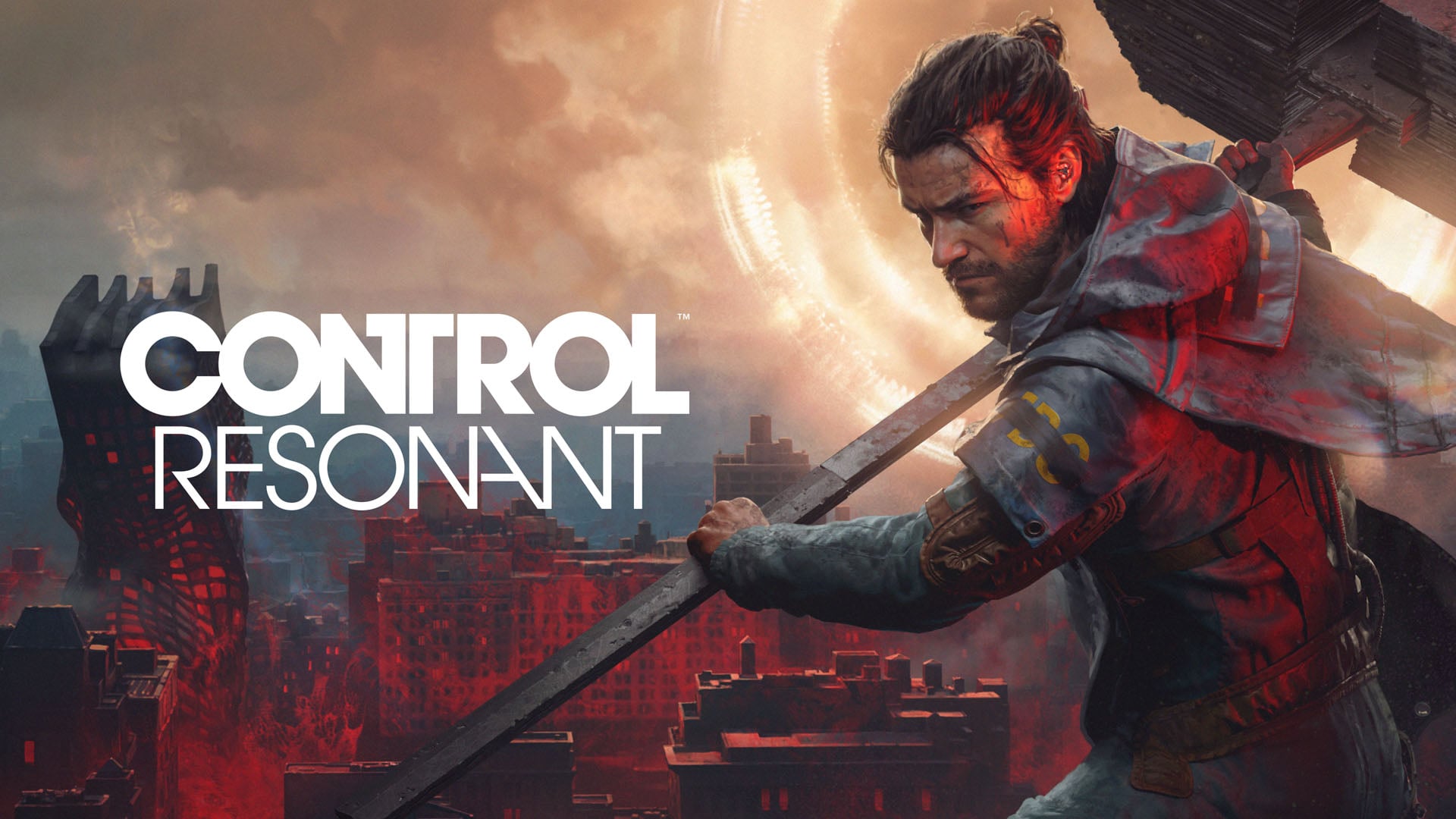
With Control Resonant, Remedy makes the bold choice of putting aside the ideas that worked in its predecessor and taking things in a very different direction. It sometimes feels less like a traditional sequel and more like a new interpretation of the same bizarre universe, abandoning the first game’s shooter-heavy combat and more traditional Metroidvania structure for a much more open, melee-focused adventure, while retaining the surreal atmosphere, supernatural abilities, and unsettling storytelling that made Control so unique.
The story puts Dylan Faden, Jesse Faden’s brother, in the starring role. 7 years after the events of Control, the Hiss has escaped into New York, while another mysterious phenomenon known as the Resonant Patterning is altering reality in equally bizarre ways. Jesse is missing, Dylan is suddenly free, and the city has become an enormous paranormal playground.
Resonant isn’t particularly interested in gradually unraveling itself, throwing players into its mysteries almost immediately. There is a recap available from the main menu, and the story itself is ultimately easier to follow than Control’s, but newcomers should not expect it to provide the same understanding as actually experiencing the original game. The first 4 or 5 hours can feel confusing before the narrative begins to click into place.
Once it gets moving, however, the story becomes much more compelling. Remedy continues to rely on documents, recordings, environmental details, and optional lore, but Resonant does a better job of allowing the main narrative and character interactions to communicate the important information directly.
Dylan isn’t an instantly charismatic protagonist, but his personality is more visible through his reactions and dialogue choices, while his FBC field handler Zoe provides a grounded counterpoint to the strange world around them. Their developing friendship gives the story an emotional center that the first game sometimes lacked. The narrative is still deliberately abstract, but there’s more humanity underneath all the surrealism.
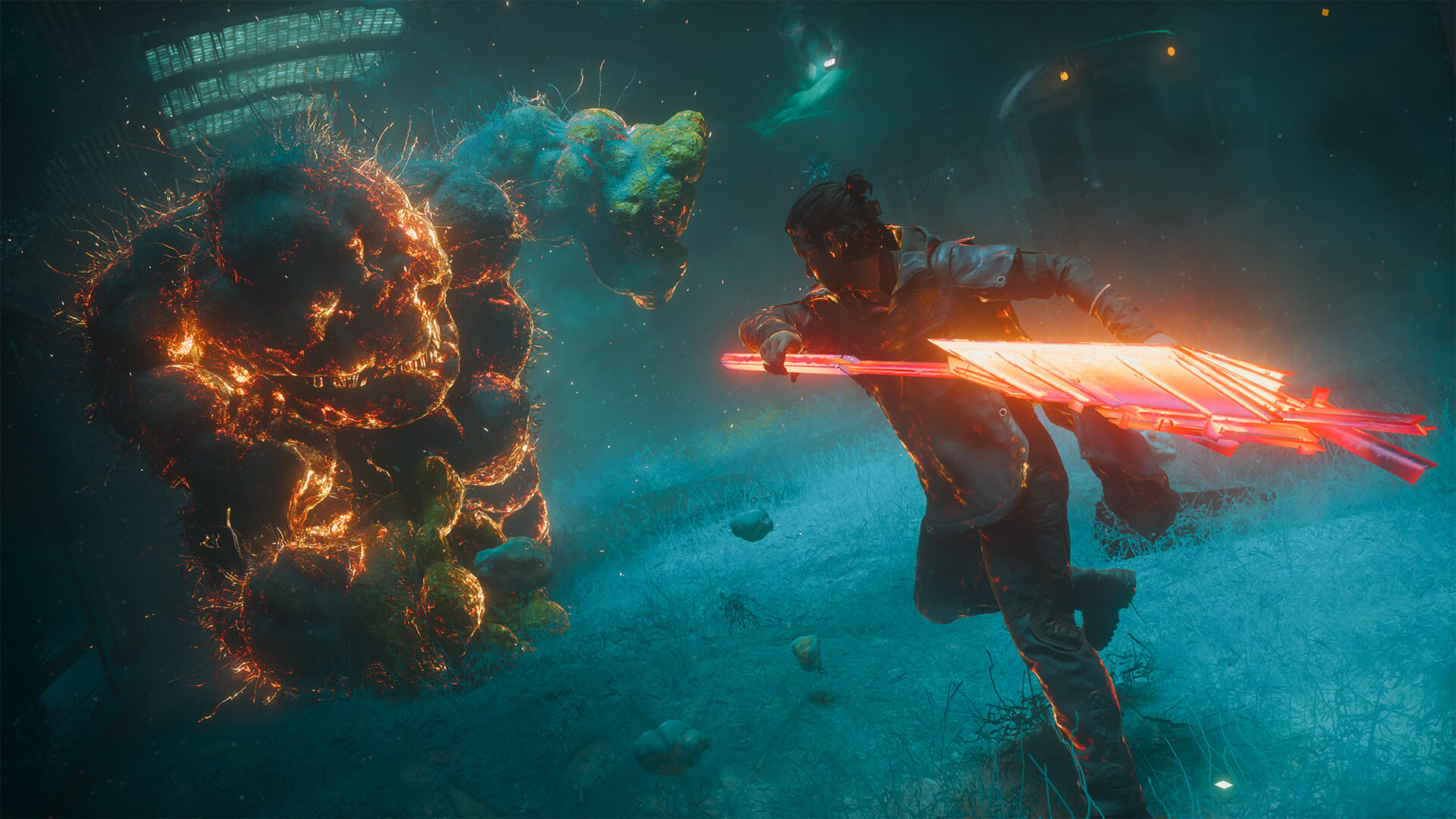
While the original Control was primarily a third-person shooter built around Jesse’s Service Weapon and supernatural abilities, Resonant instead goes the route of hack-and-slash melee-based combat. Dylan’s weapon, the Aberrant, can transform into different forms, allowing you to build attack variations around your light, heavy, and finishing strikes.
At first, this system can feel surprisingly limited. Dylan doesn’t have enough abilities to make combat particularly interesting during the opening hours, and the difficulty can make those early encounters feel tougher than expected. But as more powers, upgrades, and customization options become available, the combat begins to show its depth. While the lack of a parry mechanic takes away a crucial risk/reward element, the reward granted for successfully performing a perfect dodge makes up for it to a great degree.
Different combinations encourage different playstyles, and the ability to reset and experiment with builds makes it possible to tailor Dylan to the way you want to play. This is where the game’s power fantasy really comes into play. Dylan eventually feels highly capable, combining brutal melee attacks, traversal skills, and supernatural powers into increasingly elaborate combos. However, those who aren’t particularly interested in experimenting with builds can fall back on a relatively small number of effective attacks and simply mash their way through many encounters. This can make battles feel repetitive over time, echoing one of Control’s own weaknesses. The somewhat spongy hit reactions on enemies only add to that feeling. Regardless, a deeper combat system is present, but the game doesn’t do a good enough job of encouraging you to engage with it.
The difficulty curve is similarly uneven. The opening bosses can be challenging, requiring you to learn attack patterns and make better use of your abilities. As Dylan becomes more powerful, though, the difficulty tends to drop considerably. While this creates a satisfying power progression, it also takes any excitement out of later boss encounters. It doesn’t help that, despite being visually striking, these bosses are rather uninspiring in the gameplay department.

If there is one area where Control Resonant unquestionably feels like a Remedy game, it’s the game’s world. Manhattan isn’t presented as a conventional open world, and is instead divided into interconnected zones, each with its own progression and visual identity. This structure works much better than simply giving players a gigantic map filled with repetitive activities. Exploration is tied closely to progression, and returning to previously inaccessible areas after acquiring new powers gives the game a strong Metroidvania rhythm.
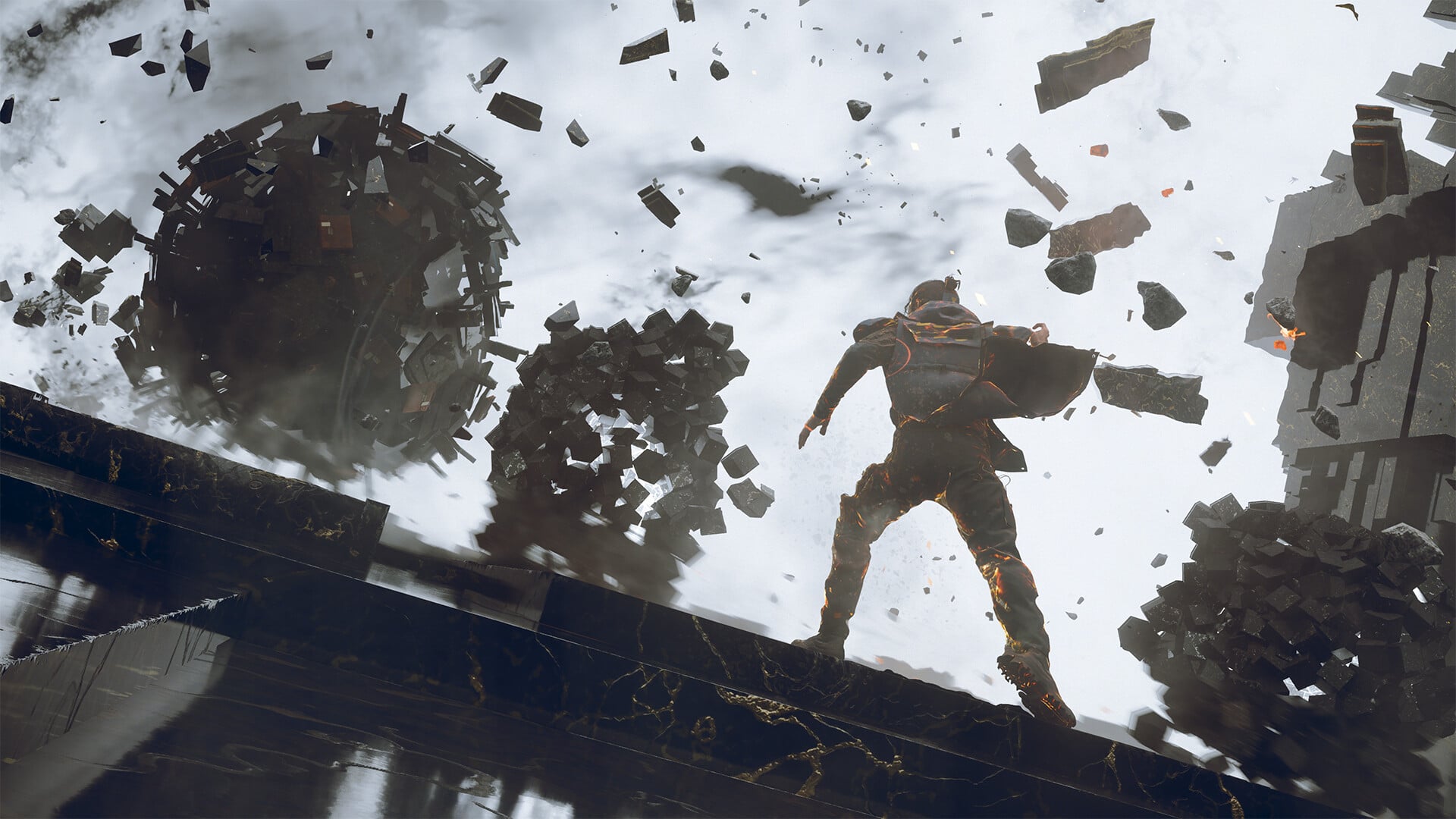
Mobility is one of the game’s greatest strengths. Dylan can double-jump, hover, dash, and eventually manipulate gravity itself. The latter ability keeps things exciting, as streets can become walls, buildings can appear upside down, and previously impossible routes suddenly become accessible. Exploration consequently becomes a puzzle in its own right.
Gravity manipulation does occasionally become frustrating, however. The game refuses to hold the player’s hand, and objectives can be difficult to reach even when the map appears to show them nearby. Some areas require you to keep an eye out for environmental clues, understand how the altered geometry works, and figure out routes for yourself. This will be part of the appeal for some and an unnecessary complication for others.
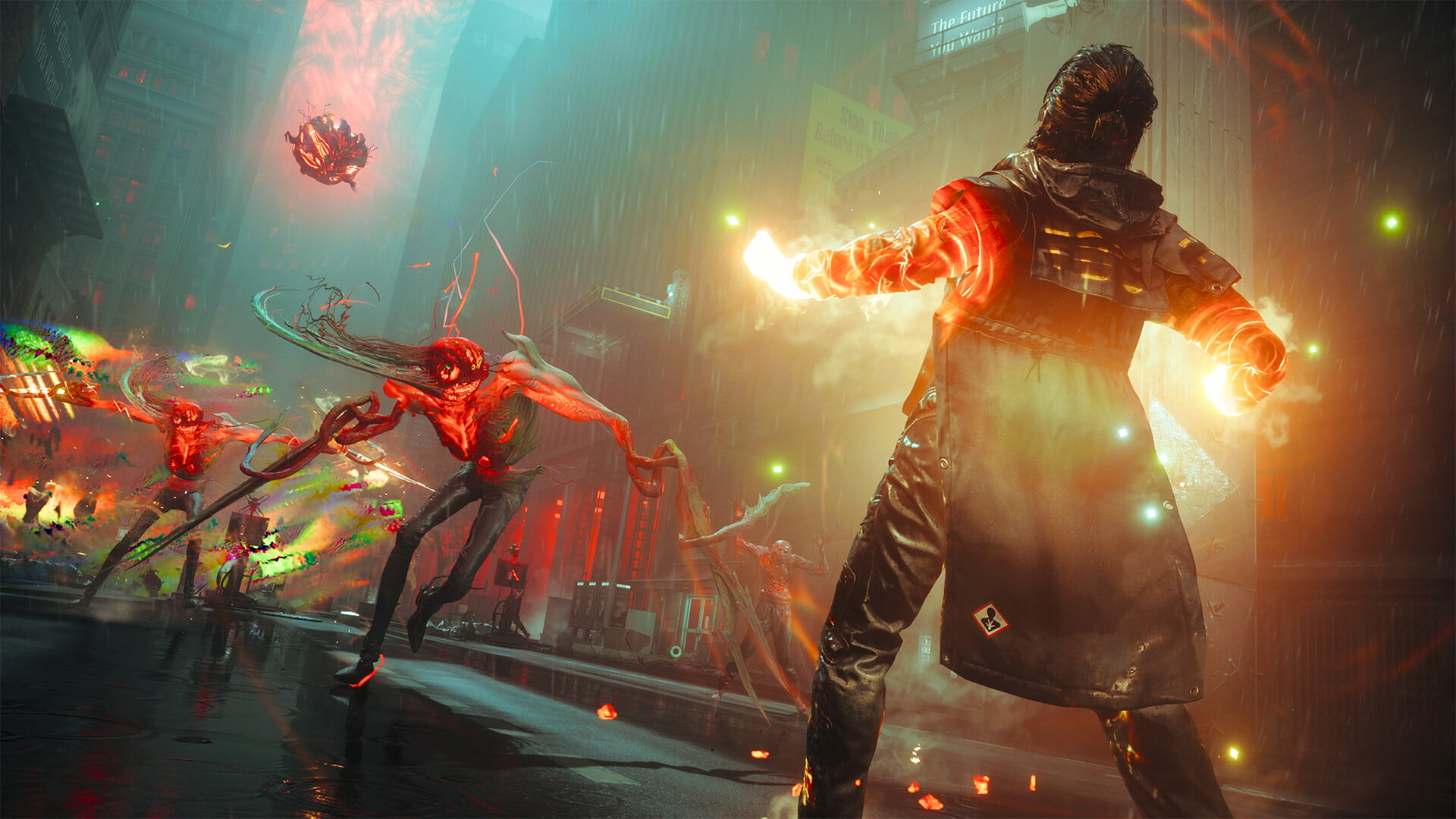
The world design itself is fascinating, however. Surreal architecture, distorted streets, and warped geometry come together as a fictional Manhattan that reminds of Christopher Nolan’s film, Inception. The game’s major bosses, known as Resonants, are also a spectacle to behold, even if they’re otherwise largely forgettable. Meanwhile, the ordinary parts of the city are less impressive. Large sections are dark and grey, and streets and buildings begin to look recycled. It’s when Remedy starts distorting reality that the game comes alive.
Puzzles are often inventive, refusing to provide obvious solutions and encouraging you to study your surroundings. There are moments of genuine satisfaction when the solution finally clicks, but there are also occasions when the lack of any guidance results in simply wandering around looking for the intended path.
Resonant’s side content is a decent improvement over that of the original. Missions range from eliminating bizarre creatures and investigating possessed objects to solving environmental puzzles and entering unusual alternate spaces.
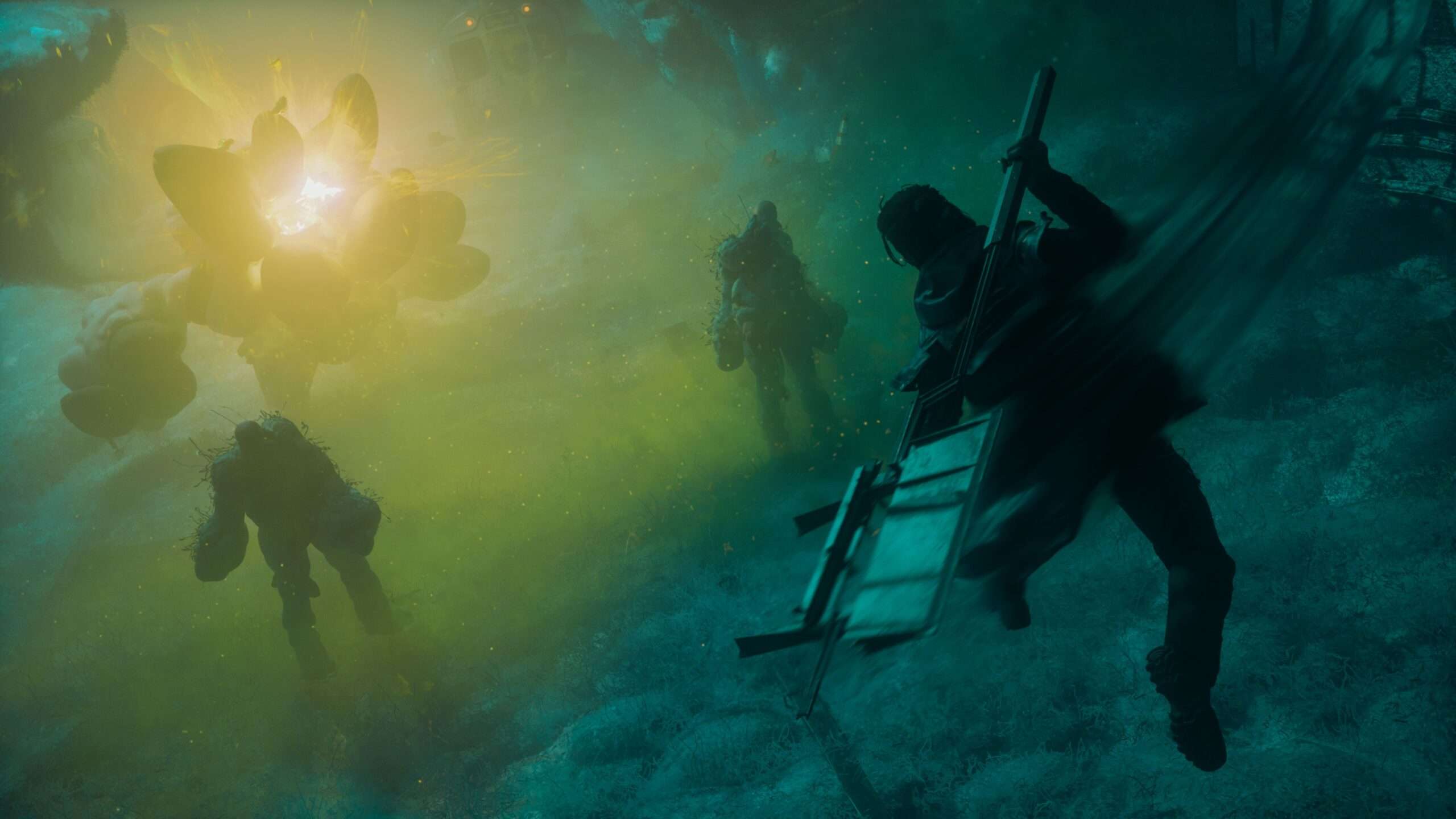
In the graphical department, the environments and visual effects stand out as spectacular, though character models don’t reach the same heights. Furthermore, PS5 Pro support is somewhat disappointing, as ray-traced reflections fall back to their screen-space counterpart in the 60fps Performance mode. Meanwhile, Remedy’s distinct taste in audio presentation remains intact, with the music complementing the game’s mysterious atmosphere effectively. The relationship between Dylan and Zoe is even connected to music, giving the soundtrack a narrative purpose beyond simply providing background noise.
Control Resonant is an ambitious sequel that succeeds because it deviates from Control. Yet, beneath the open-world structure, melee-based combat and a focus on mobility and exploration is the same bizarre creative identity that made the original stand out. Exploring the distorted Manhattan, unlocking a new ability, discovering and traversing an impossible route through gravity manipulation, and then using that same ability to take out a group of enemies can be very satisfying. On the other hand, the opening hours can be confusing, the combat can become repetitive for those who don’t engage with its customization, and exploration can occasionally be frustrating. That said, these shortcomings don’t take a lot away from what is unmistakably a Remedy game – bizarre, ambitious, at times frustrating, and often inventive.
Control Resonant Game Information
- Price: $69.99
- Publisher: Remedy Entertainment
- Developer: Remedy Entertainment
- Platform: PC/PS5 (Reviewed)
- Disclaimer: A review code was provided by the publisher