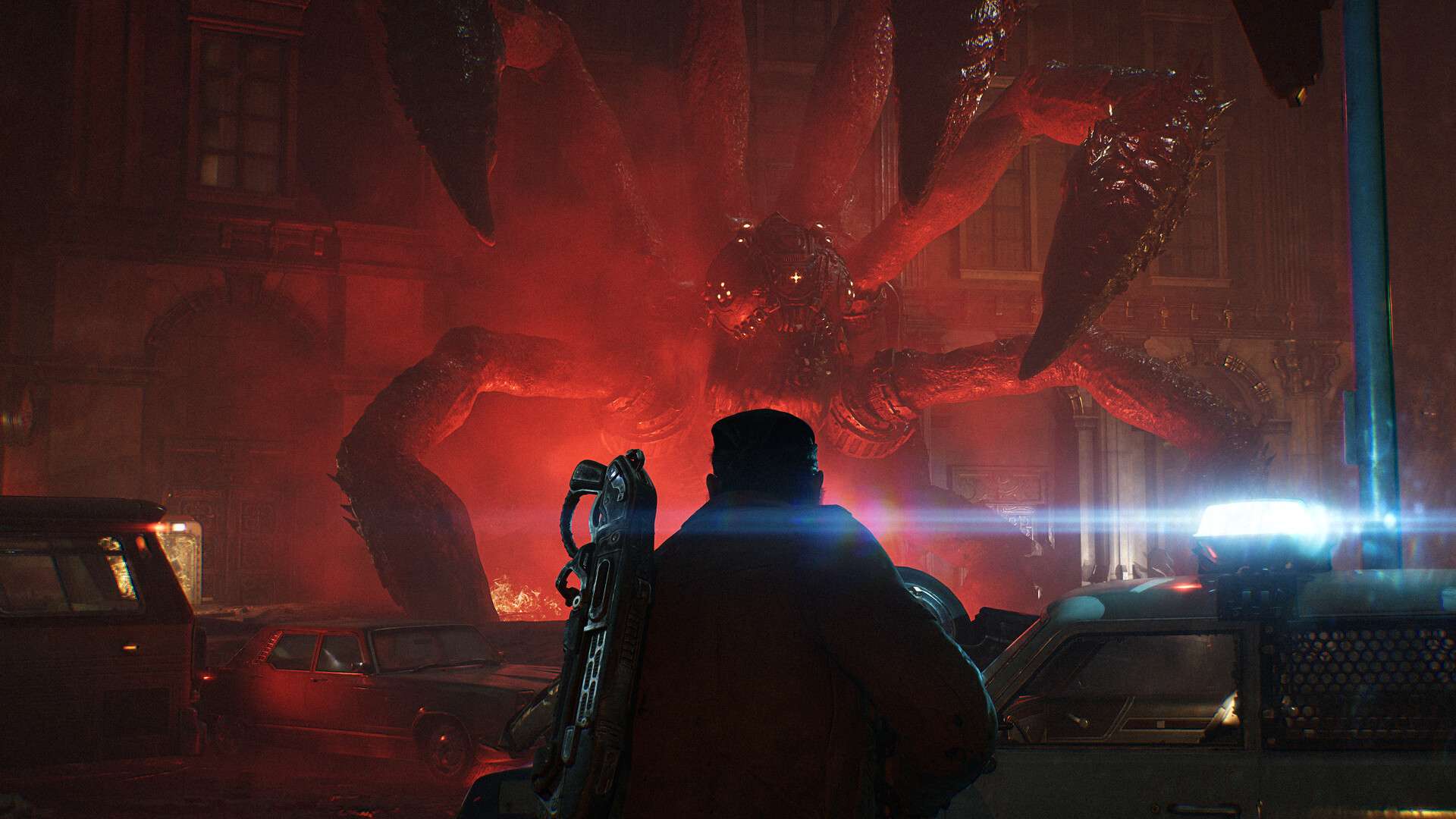
Gears of War E-Day is making extensive use of Unreal Engine 5 to deliver its visual presentation while targeting 60 FPS, with developers explaining how technologies including Lumen, MegaLights and Nanite have changed the way the team approaches the game.
In an official Unreal Engine YouTube video, members of The Coalition discussed the technology behind the upcoming prequel, covering everything from real-time lighting and geometry streaming to animation, networking and cinematics.
One of the key technologies being used is MegaLights, which allows the team to have hundreds of lights active simultaneously while keeping the rendering workload manageable. According to the developers, the system has also changed the way artists approach lighting, allowing environments to be illuminated more like a film set.
The team provided an example of the difference the technology can make. Developers said that producing the same lighting result using older techniques could have required around 150 milliseconds per frame, equivalent to roughly seven FPS. With the technology implemented in Gears of War E-Day, the developers said they can perform the lighting work in real time with ray tracing while targeting 60 FPS.
Unreal Engine 5’s Lumen is also being used for real-time global illumination, while Nanite allows the developers to build environments with significantly greater geometric density. Instead of relying on traditional levels of detail that can result in visible transitions, the technology allows the team to use highly detailed assets and scale their geometry within the engine.
World Partition is being used alongside the engine’s streaming technology to support larger environments while managing memory requirements. The developers said the combination has been important to building the game’s more expansive locations.
Animation has also benefited from the engine’s technology. The team worked with Epic Games on motion matching, using large motion-capture datasets that can be searched during gameplay to produce more responsive character movement.
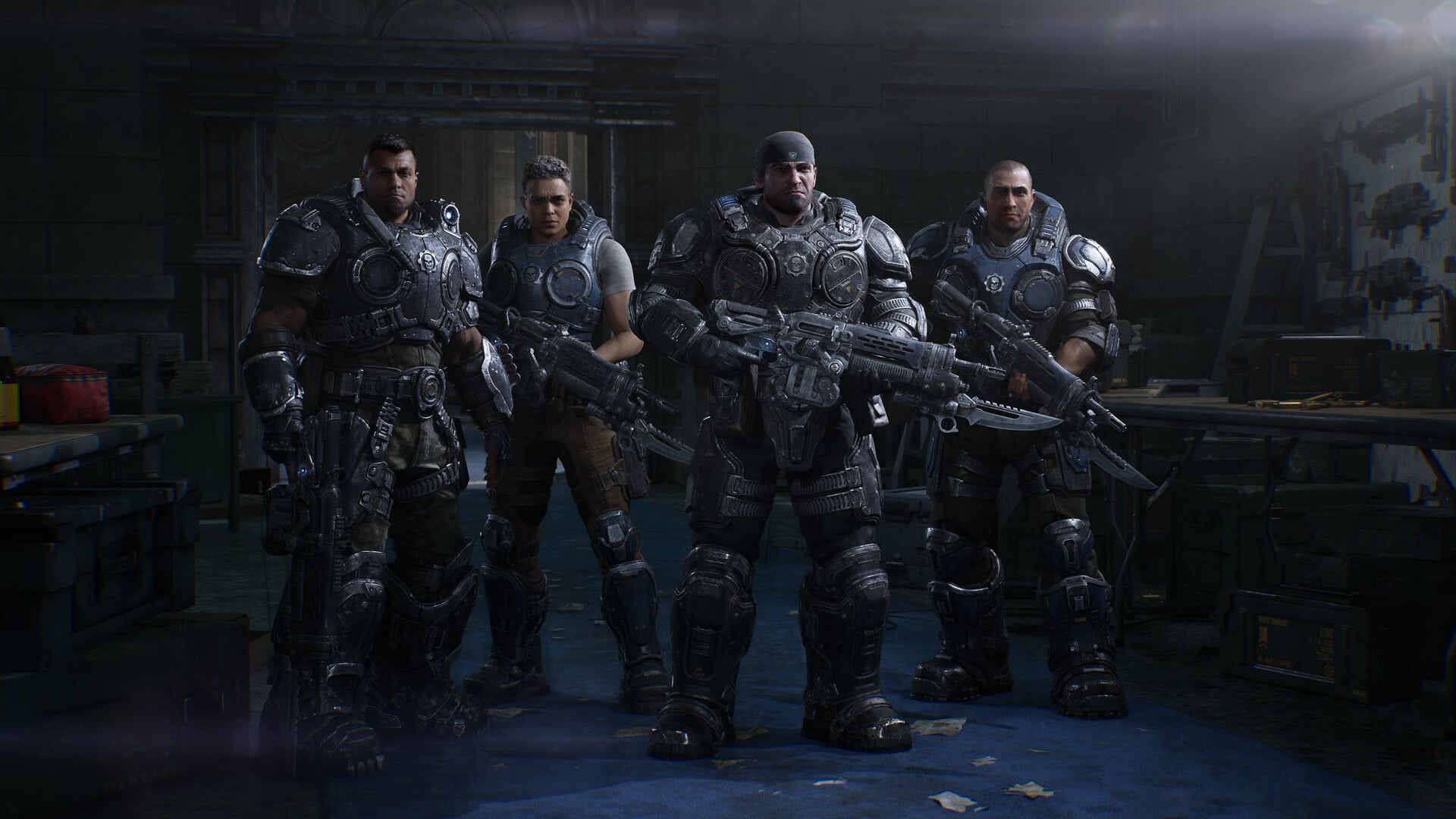
Gears of War E-Day uses a hybrid animation system that combines traditional state transitions with motion-matching databases. The developers said the approach is being applied to both player characters and bipedal enemies, allowing characters such as Marcus and Dom to move more fluidly while retaining the physicality associated with the series.
The game’s online infrastructure is also being built around Unreal Engine technology. Gears of War E-Day uses the Iris replication system as part of its networking architecture, supporting four-player cooperative play alongside multiplayer and Horde Siege.
According to the developers, Iris helps reduce the processing cost of network updates on servers while improving bandwidth management between servers and players.
Unreal Engine 5 is also being used for the game’s cinematics. Rather than relying on pre-rendered sequences, all cinematics are rendered in real time through Unreal Engine’s Sequencer system. This allows the team to use the same high-fidelity characters, environments, effects and lighting during both gameplay and cinematic scenes.
Optimisation has remained a major part of the development process. The team is using Unreal Engine’s asset validation systems to enforce performance budgets, while Unreal Insights is being used to identify bottlenecks and guide optimisation work.
The developers described these technologies as more than individual upgrades, presenting Gears of War E-Day as an investment in the technical foundation of the franchise for years to come.

Gears of War E-Day is set 14 years before the original Gears of War and explores the beginning of the Locust War. The prequel is being developed from the ground up in Unreal Engine 5 as The Coalition looks to modernise the series’ technology while retaining its established gameplay identity.