French video game studio Quantic Dream is facing growing criticism from labor union STJV following claims that the planned Quantic Dream layoffs could eliminate 115 positions as part of an ongoing redundancy process.
According to STJV, consultations involving employee representatives and negotiations with unions are currently underway at the studio. The union alleges that Quantic Dream’s leadership has taken steps that hinder communication between worker representatives and employees, including removing the works council’s access to internal mailing lists.
The union also revised an earlier figure regarding the scale of the planned cuts. STJV stated that the redundancy plan would affect 115 jobs rather than the previously reported 95. The distinction is significant because the union argues that French labor regulations require a three-month consultation period for redundancy plans affecting more than 100 positions.
“We must correct what was previously announced: their redundancy does not plan for the destruction of 95, but 115 jobs,” STJV said in a statement. “Being over the legal threshold of 100, the consultation period of the CSE should last 3 months, not 2.”
The union further claimed that Quantic Dream has not adequately explained why the process is being conducted over a two-month period. STJV said it believes the timeline may be inconsistent with legal requirements.
The dispute has already prompted employee action. According to the union, more than 100 workers participated in a second walkout last week to protest the proposed job cuts. STJV also claimed that Quantic Dream founder David de Gruttola, better known as David Cage, briefly appeared near the picket line during the demonstration.
STJV criticized management’s handling of the restructuring plan and raised concerns about the potential use of artificial intelligence. The union said the company had indicated that some eliminated positions could potentially be replaced by subcontractors or “generative AI.”
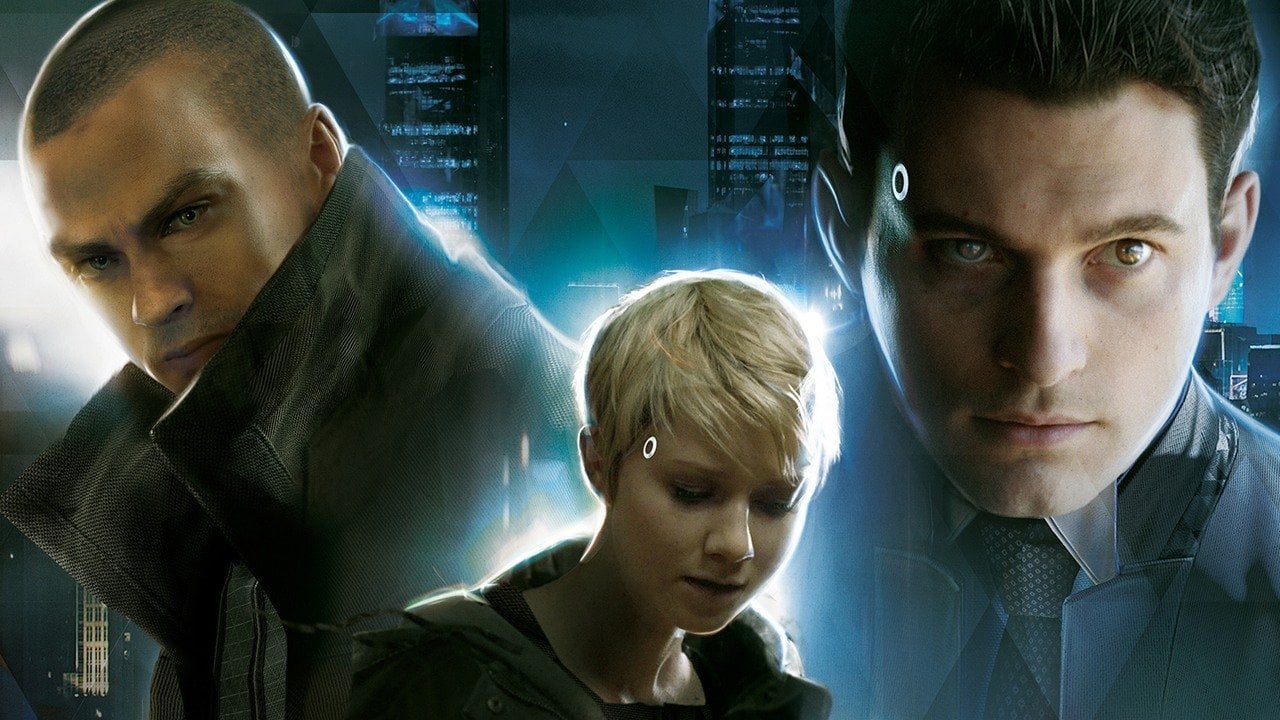
Quantic Dream, founded in 1997 by David Cage, is best known for narrative-driven interactive titles including Heavy Rain, Beyond: Two Souls, and Detroit: Become Human. The studio has built its reputation around cinematic storytelling, branching narratives, and motion-capture technology.
At the time of writing, Quantic Dream has not publicly responded to the allegations outlined in STJV’s statement.