Team Asano has worked on the Bravely Default and Octopath series, and now it is back with another new IP, The Adventures of Elliot: The Millennium Tales. This one is radically different from its earlier games, with a stronger focus on exploration and action-based combat. The game is out now on multiple platforms, and we had the chance to check it out on PC, Steam Deck, and Switch 2. Needless to say, we were definitely impressed with how it turned out.
The story of The Adventures of Elliot: The Millennium Tales follows the titular character, Elliot, a hired adventurer. He is recruited by the king of Huther to save the kingdom of Philabieldia, which is under threat after a duke attempts to seize power using a powerful relic from the past. The story is fairly simple at first, with the world gradually being fleshed out as you progress. We learn that this world is home to many different races and not just humans, although humanity has retreated to a single kingdom under Princess Heuria’s magical protection.
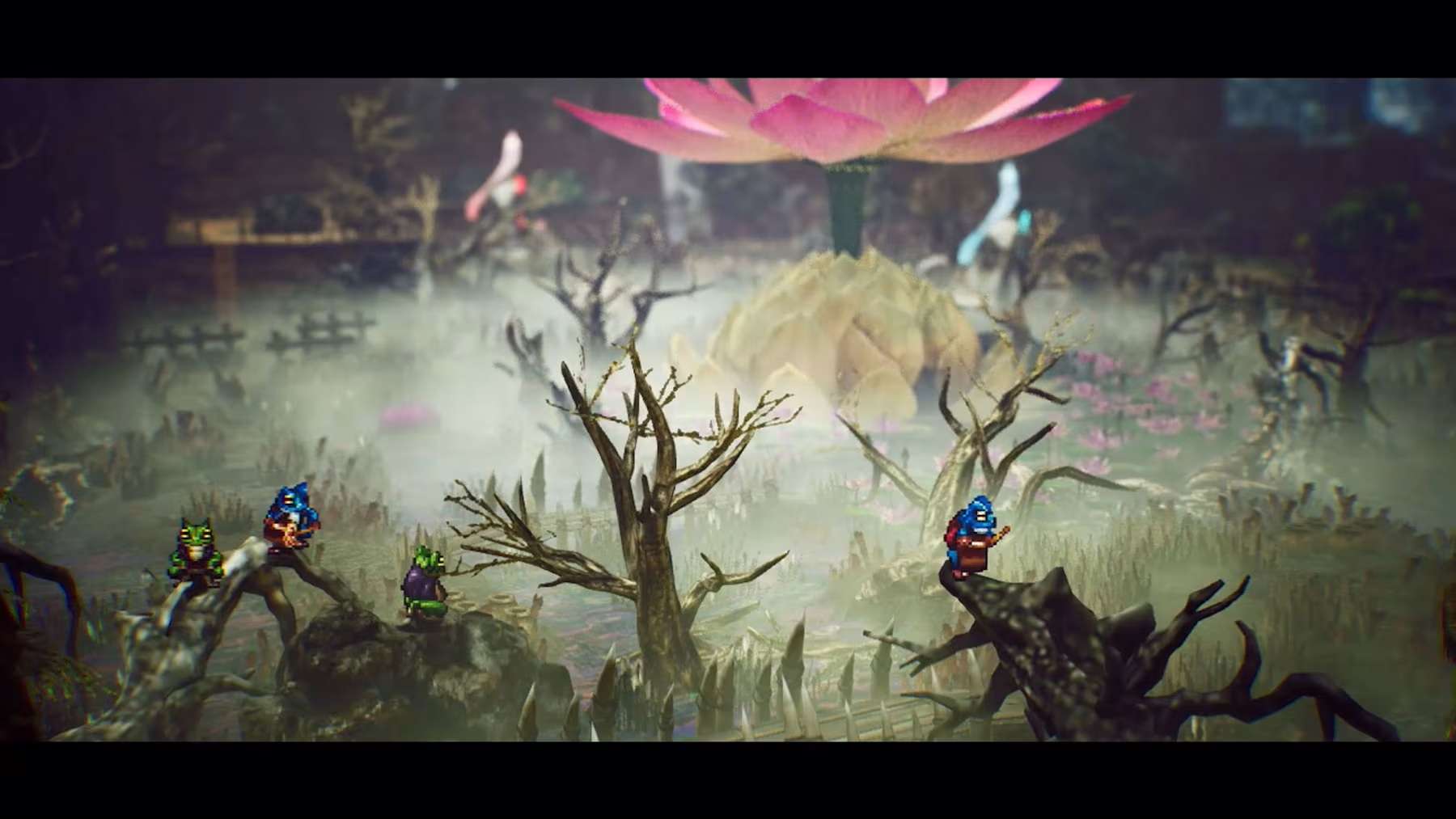
The game also features a time-travel theme and provides plenty of interesting context for its main characters, NPCs, and supporting cast. The time-travel mechanic really reminded me of Chrono Trigger because of how the developers transform the world across different eras, changing the appearance of locations and tying these changes into side quests that span multiple time periods. These quests show how events progress based on our actions, with each era reflecting the consequences in different ways. While the main story is a fairly standard save-the-world affair, the side quests are the heart of the game. They are well worth the time investment if you want to learn more about the world, the NPCs, their backgrounds, and the wider lore.
The gameplay loop is simple, with a top-down camera and a combat system that resembles Nintendo’s Zelda series. The animations are fast and snappy, and combat places a strong emphasis on striking enemies at the right moment while blocking incoming attacks. There are multiple weapons to equip, including a sword, which serves as the starting weapon, while the arsenal gradually expands to include spears, hammers, bows, and more. There is no traditional experience system. Instead, the game uses a Magicite system, where magical gems can be equipped to modify weapons and grant buffs or elemental properties. There are plenty of combinations to experiment with, and discovering the most useful ones is part of what makes the combat system so enjoyable.
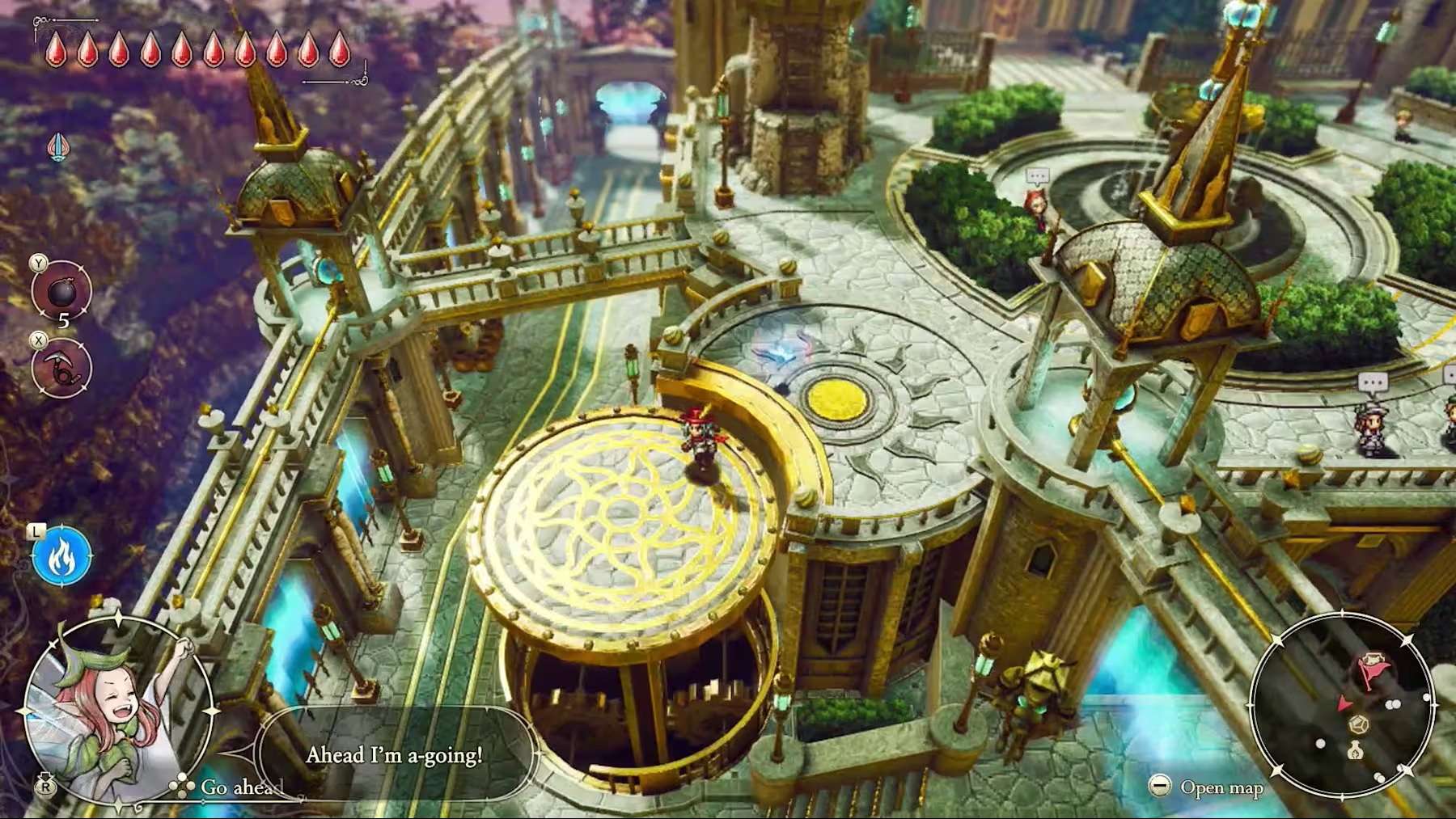
The game might not offer traditional experience points like other RPGs, but the ability to customise your build leads to plenty of fun experimentation in combat, alongside a decent variety of weapons. Accessory slots also play a role in how players can tailor their abilities and playstyle. Combat is not just about Elliot either, as Faie, his fairy companion, is also useful throughout the adventure. While Elliot remains the main character, Faie acts as a secondary character who can be partially controlled by the player. She can distract enemies, help Elliot teleport, and assist with the clever puzzles he encounters along the way.
The Adventures of Elliot might not have the strongest story, but its gameplay is genuinely addictive. However, the dungeon design is a bit of a letdown. These dungeons feature plenty of puzzles, but many of them feel cumbersome and repetitive, creating a sense of déjà vu as if they have been lifted from other games. On top of that, Faie tends to chatter a lot, offering hints at almost every step, which some players may find annoying. The game also includes platforming segments that are not particularly fun to navigate, though they do add a bit of variety to dungeon exploration.
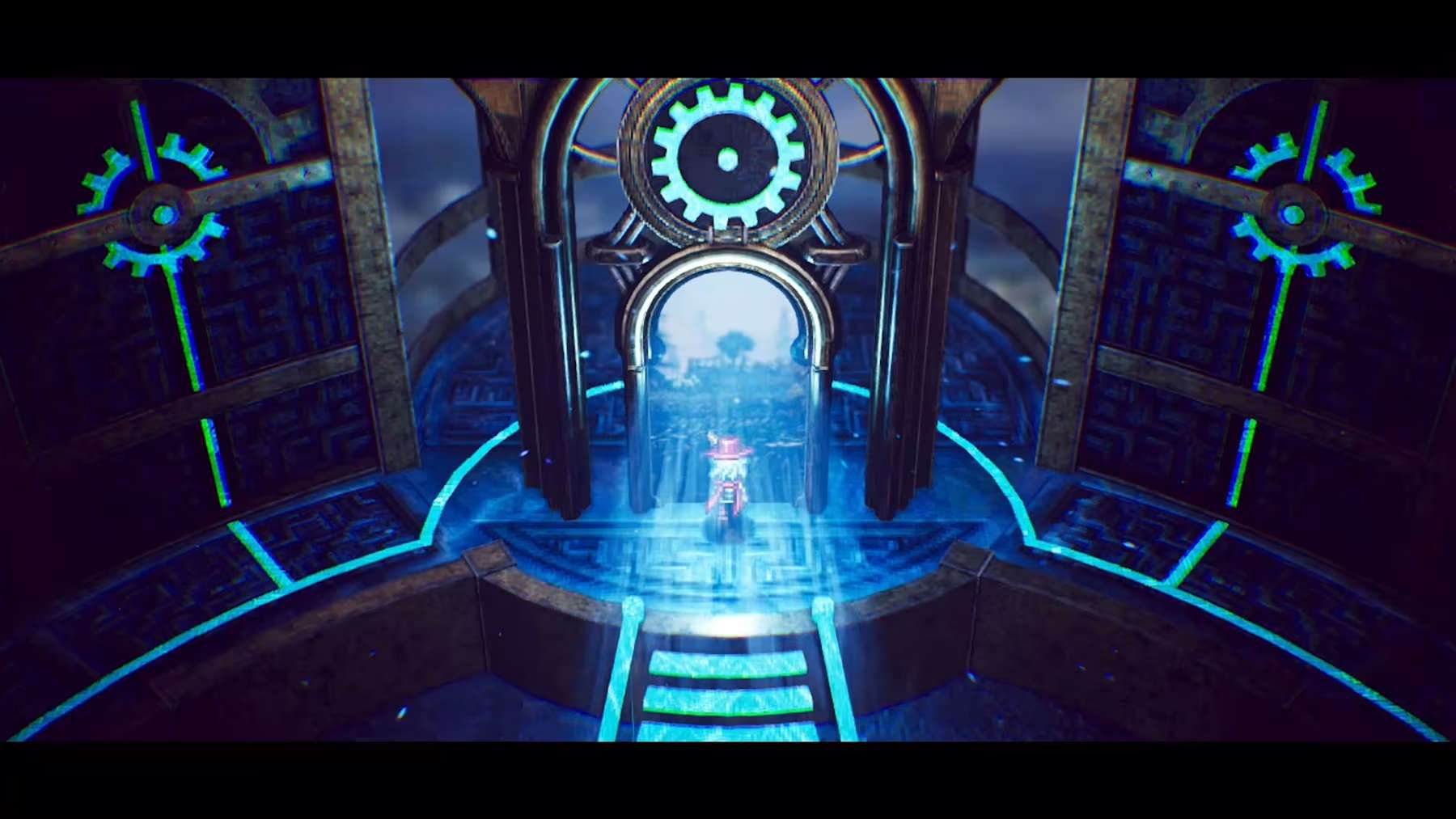
As for the overall length, The Adventures of Elliot is not an especially large game. Focusing on the main story, it should take less than 20 hours to complete. There are multiple endings to unlock, which adds some replay value. The true ending requires meeting a number of conditions after finishing the main story, and much like Chrono Trigger, I really enjoyed revisiting the world to unlock it.
Speaking of performance, I was quite happy with how the game runs on Switch 2. It looked great in both handheld and docked modes. While the Steam Deck struggles to maintain 60 FPS, performance is still solid overall, and the game looks great on the system. However, load times are noticeably slower on Switch 2, which does matter in a game like this. It is a little disappointing in that regard, though I would not call it a bad port. The PC version also supports 120 FPS, which is obviously not possible on Steam Deck. While the frame rate seemed stable inside towns, performance occasionally dropped below 100 FPS in the open world, even on a reasonably powerful PC.
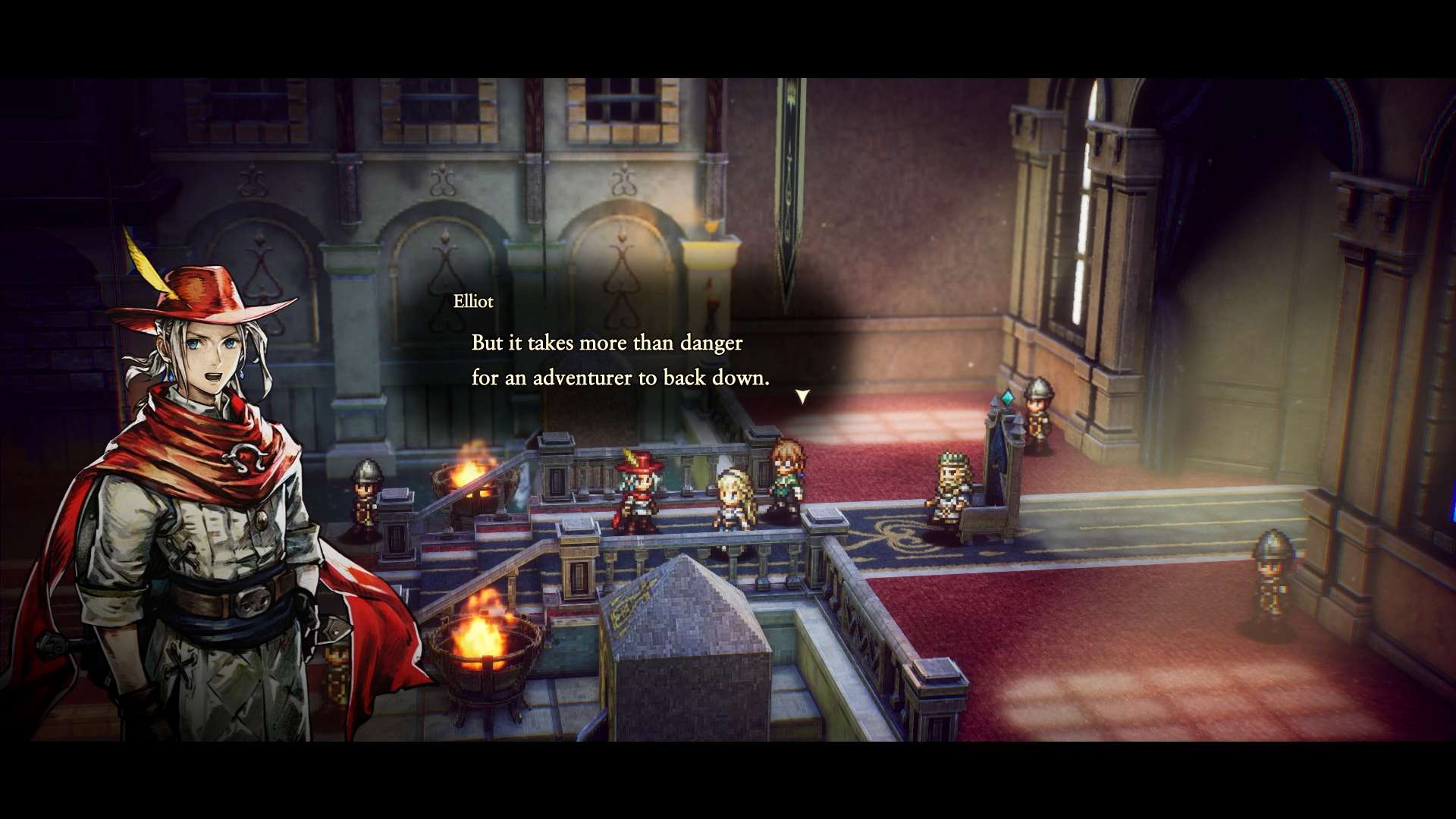
The Adventures of Elliot: The Millennium Tales is one of the best-looking games I have played using the HD-2D engine. It features a visually appealing art style, well-designed characters, and detailed environments. The world has a charming diorama-like appearance that is a joy to look at, and the map is packed with treasures and secrets that are fun to discover. There is also a good variety of biomes, which helps keep the environments fresh throughout the adventure, although the enemy variety is not quite as impressive.
The Adventures of Elliot: The Millennium Tales Game Information
- Price: $59.99
- Publisher: Square Enix
- Developer: Team Asano & Claytechworks
- Platform: Switch 2, PC (Reviewed)
- Disclaimer: A review code was given by the publisher