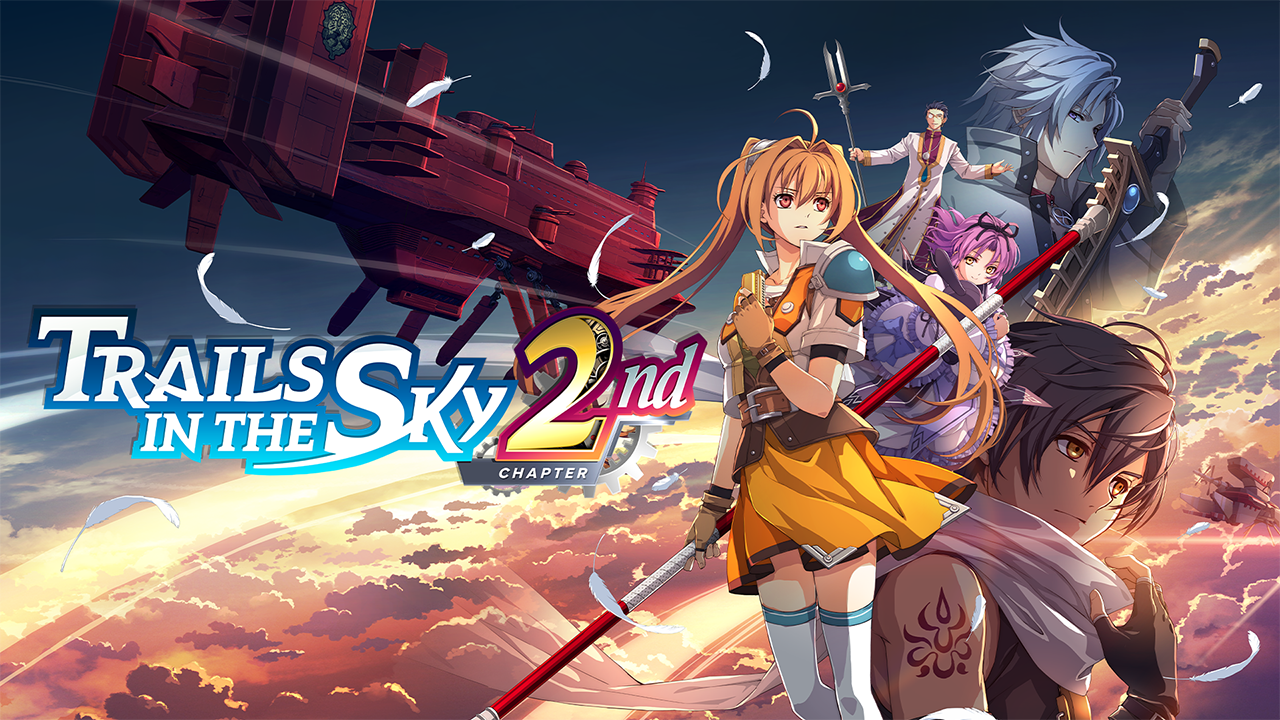
Trails in the Sky: 2nd Chapter is a remake that continues the story of the first chapter. Developed by Falcom, the original became quite popular and was well received by critics. The sequel followed roughly a year later, and this remake is now available on PC as well as most current-generation platforms.
Rather than completely reinventing the experience, 2nd Chapter builds directly on what came before. It retains the battle system, visual style, and general gameplay foundations of the original while introducing enough new elements to make it feel like a proper continuation. If you played the first chapter, much of the game will feel familiar, but there is still plenty here to make the journey feel fresh.
The story picks up with Estelle Bright searching for Joshua, who disappeared following the events of the first game. Estelle returns home to Rolent, hoping to find some clues about where he went, only to discover that he has left for good. She then begins travelling across the Kingdom of Liberl in search of him.
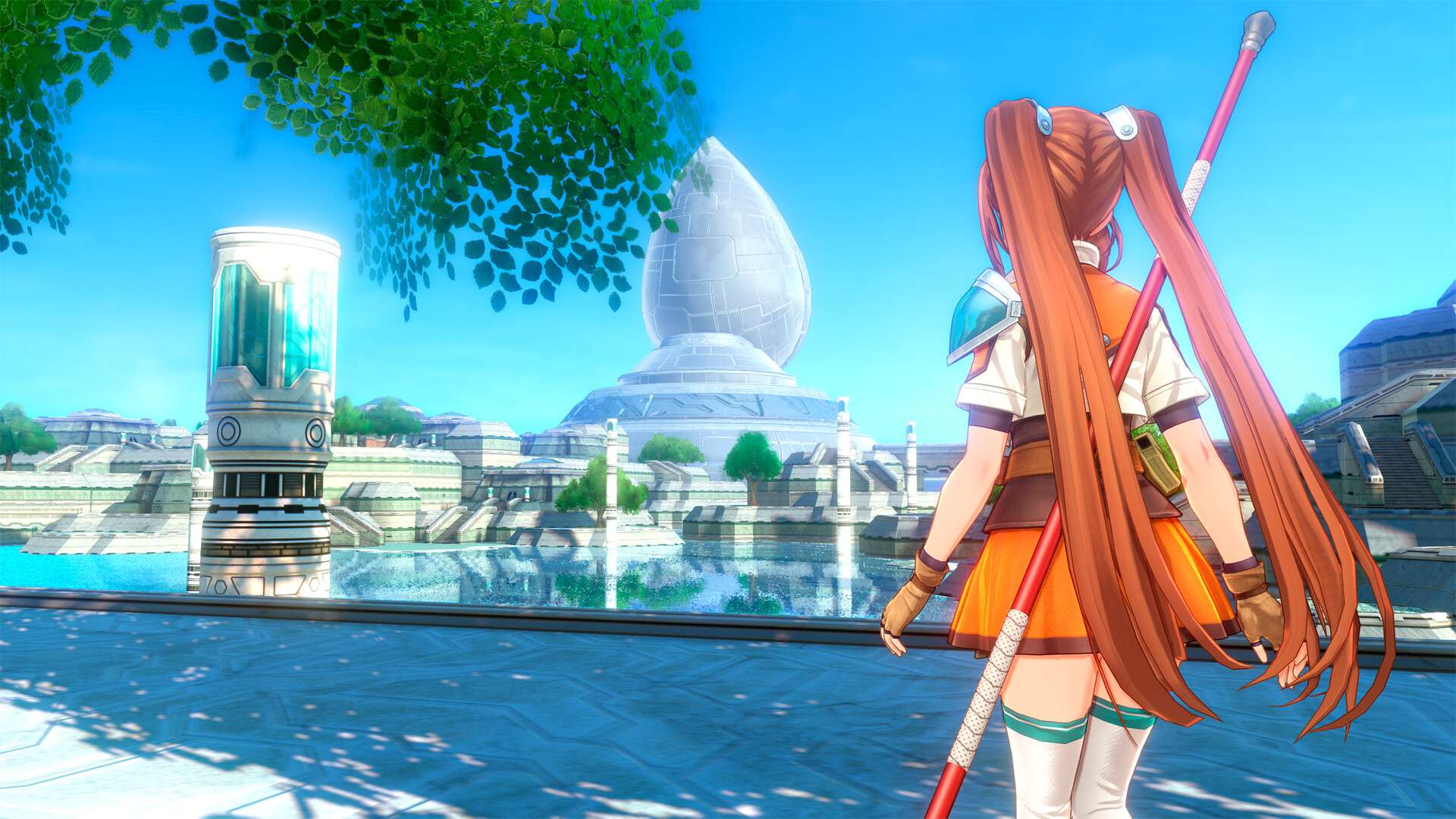
Estelle is also working towards becoming a full Senior Bracer, essentially a professional adventurer who takes on jobs and helps people throughout the kingdom. Joshua, her adopted brother, remains at the centre of her journey, and finding him becomes the main motivation behind her travels. As the story develops, the game also expands the mystery surrounding the Society, the secret organisation at the centre of the narrative, and its members, known as the Enforcers. These elements become increasingly important as Estelle’s journey progresses.
One of the strongest parts of the sequel is its expanded world-building. There is considerably more context surrounding the Kingdom of Liberl, including its political tensions and the events that have shaped the region. Several characters from the first chapter also return, including Olivier.
The returning cast is particularly well handled. Rather than simply bringing familiar characters back for nostalgia, the game gives them meaningful roles within the story and continues developing their personalities and relationships. Since so much of the narrative builds on the events of the first chapter, these characters feel like a natural part of the continuation.
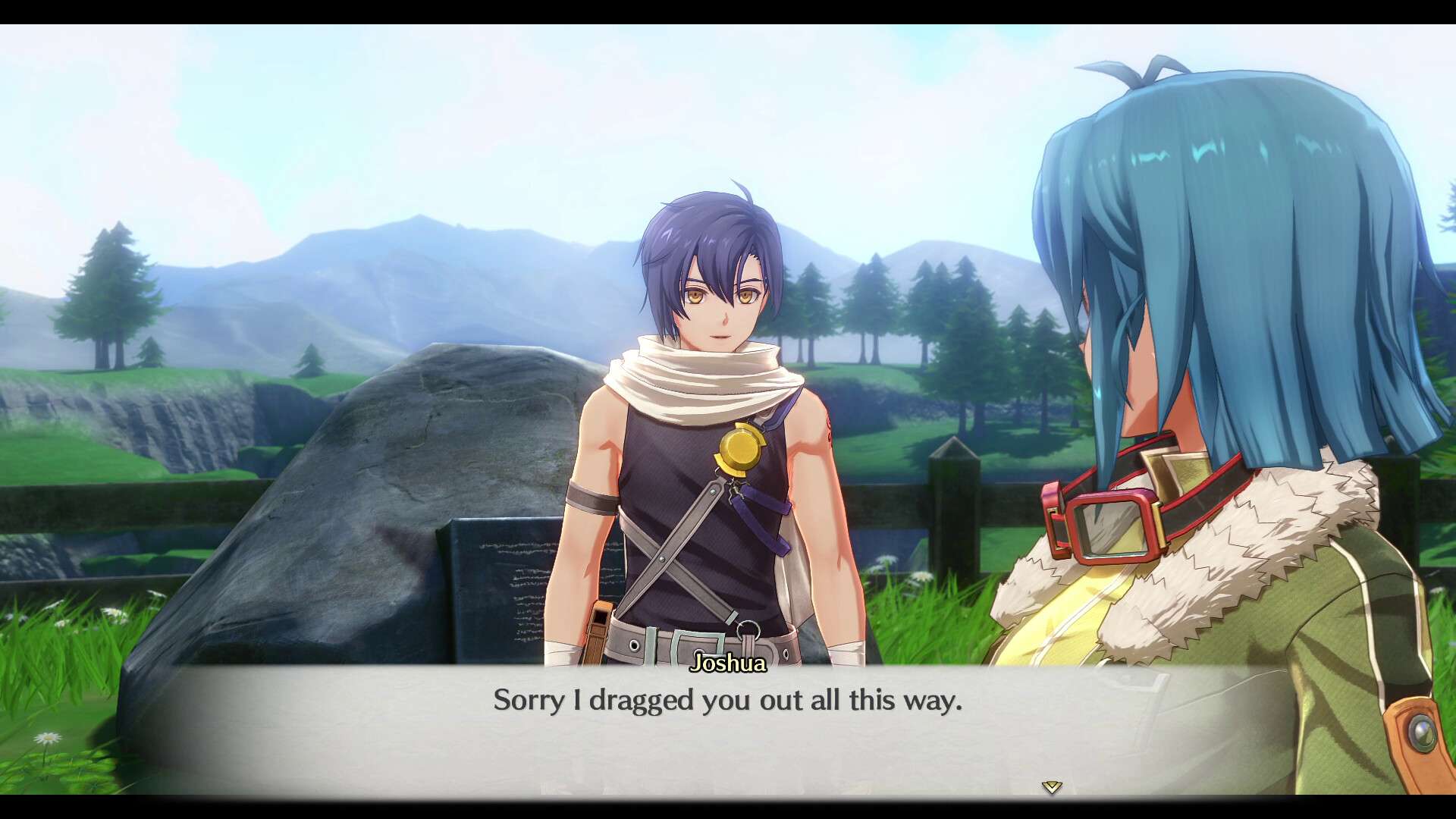
The world itself has also been expanded with new cities and locations, while several areas from the first game can be revisited. There are plenty of side quests to complete alongside the main story, giving you more reasons to explore Liberl and interact with its inhabitants. NPC dialogue can also change as the story progresses, which helps make the world feel more connected to the events taking place.
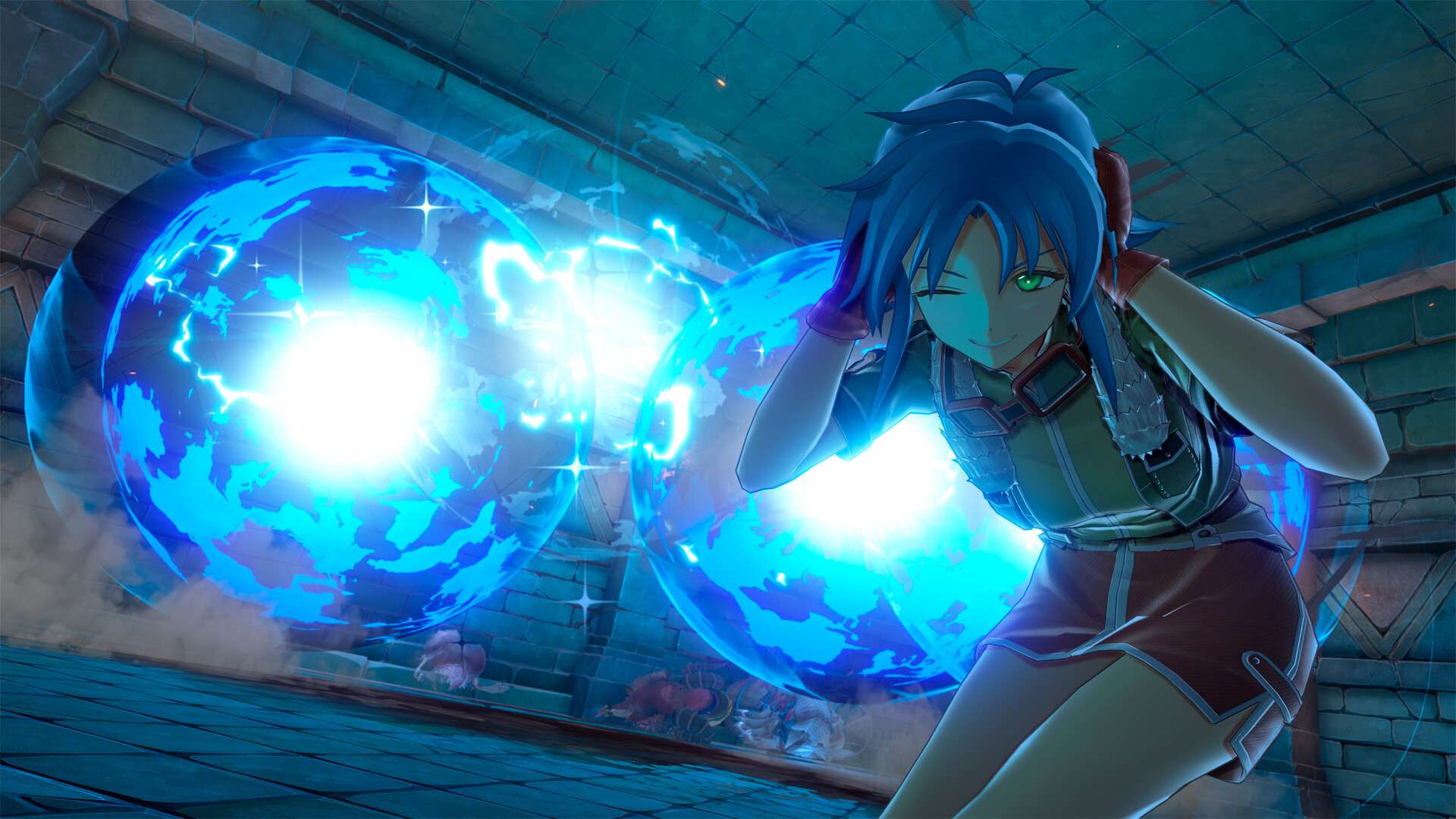
The hybrid combat system from the first chapter also returns. The game balances real-time Quick Battles with turn-based Command Battles, allowing you to switch between the two modes seamlessly. Each style serves a different purpose: regular field encounters can be cleared quickly using real-time actions, while larger groups of enemies and boss encounters benefit from the deeper strategy of turn-based combat. Having both options gives the combat plenty of flexibility without making either system feel unnecessary.
Combat revolves around managing several active resources. During Quick Battles, landing consecutive strikes and performing perfect dodges builds the enemy’s Stun Gauge while also filling your own Brave Gauge. Brave Rush is particularly useful in these real-time encounters. By spending two points from the Brave Gauge, you can team up with a party member to unleash a powerful combo attack, making it an effective way to finish off weakened opponents.
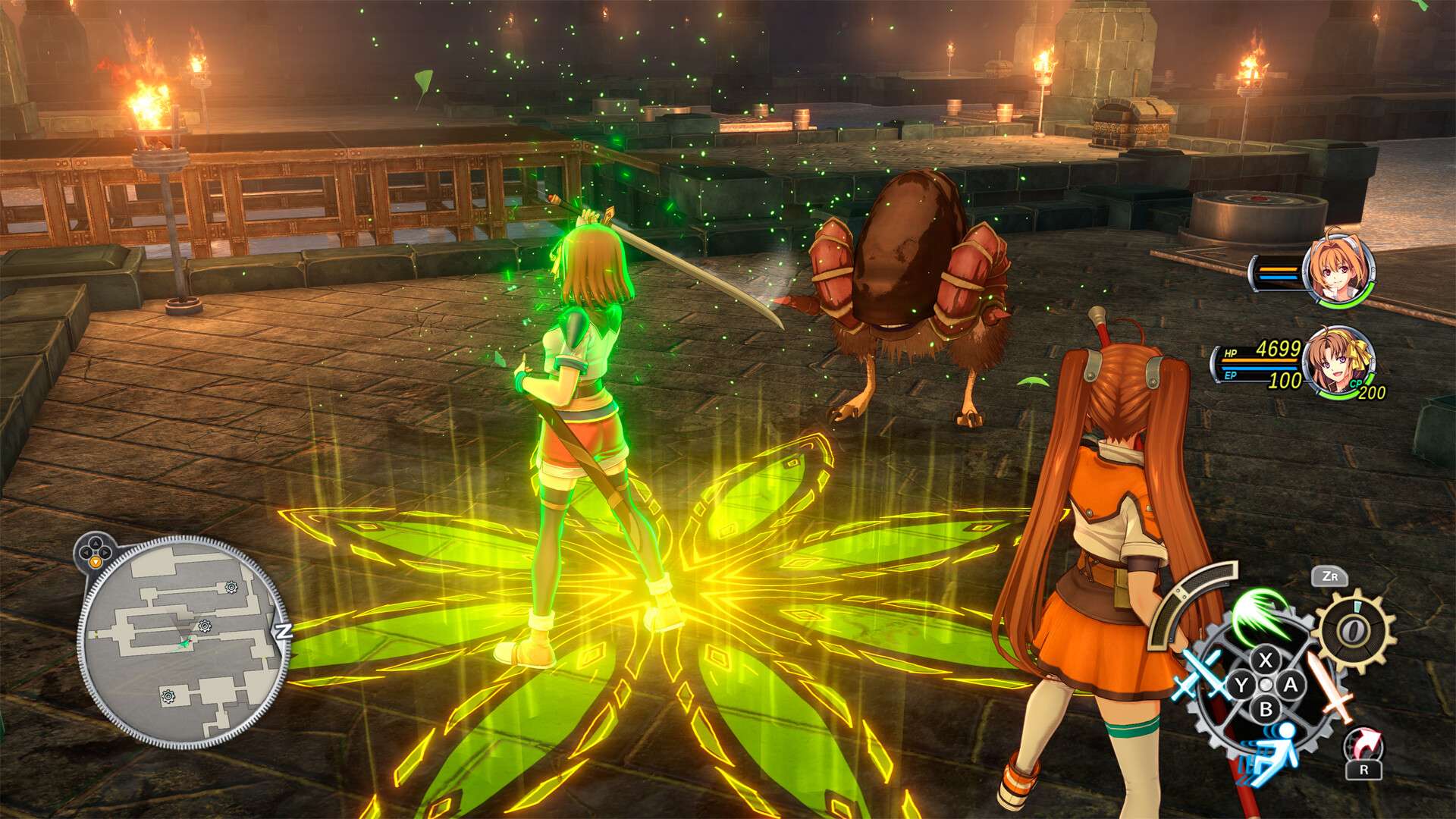
Once you enter a Command Battle, your accumulated CP, or Craft Points, can be spent on character-specific Crafts and powerful S-Craft ultimate attacks. Command Battles also feature a timeline showing when each character and enemy will take their turn. Various bonuses can appear on this timeline, so paying attention to the order of upcoming actions can give you an advantage. Together, these mechanics give the turn-based battles more depth without making them unnecessarily complicated.
Character customisation is handled through the Orbment System. Each character can equip different elemental gems known as Quartz, which determine the spells and abilities they can use. This gives you a good amount of freedom when building your party, allowing characters to be focused on magic, specific elemental abilities, physical attacks, or different stat bonuses depending on the Quartz you equip.
The system is expanded further in this chapter with an upgraded 7-slot Orbment layout, giving you more room to experiment with different combinations. Sepith, which is obtained by defeating enemies, can be used to create and synthesise new Quartz, providing another way to improve and customise your characters as you progress.
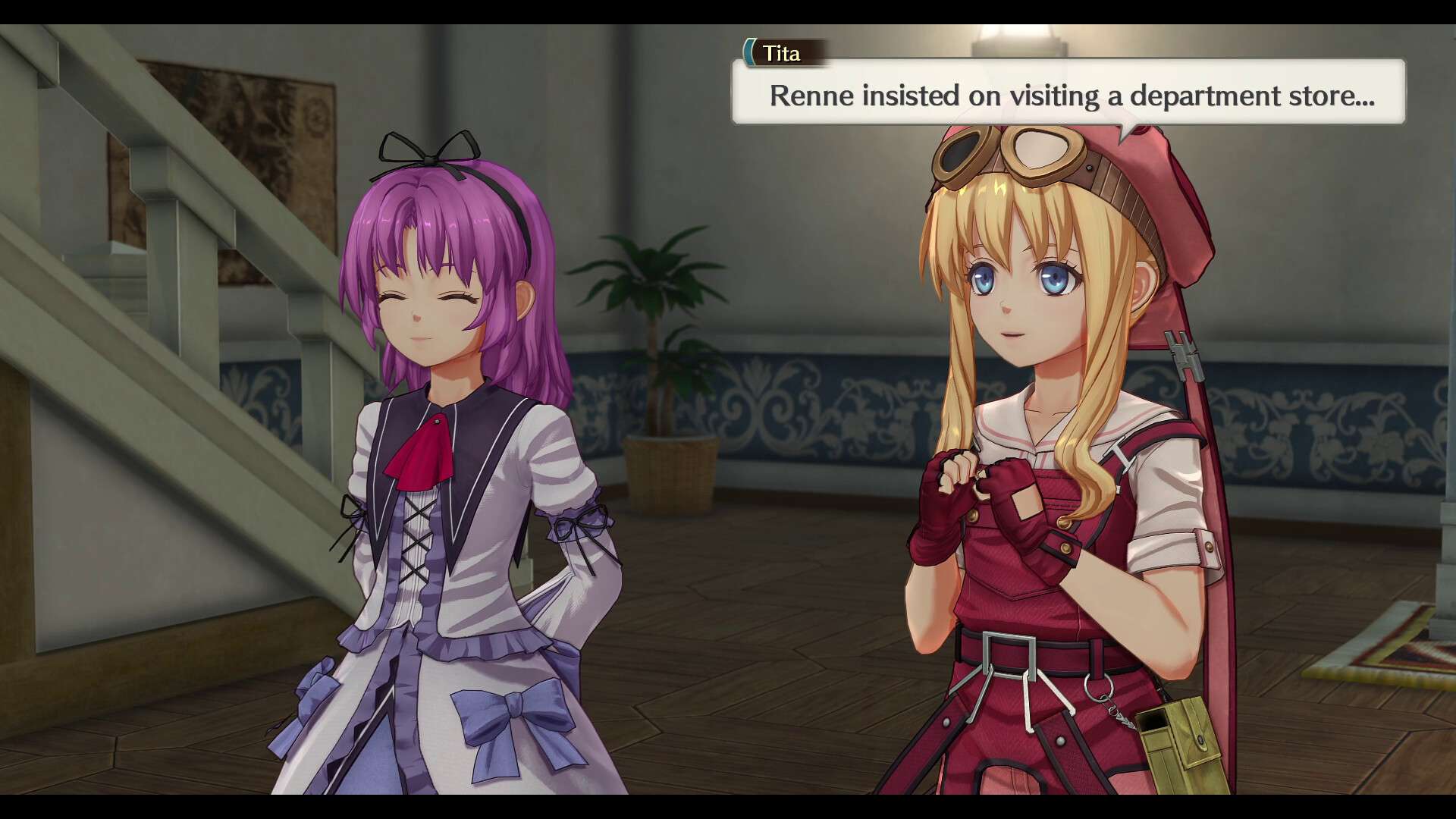
Exploration is another important part of the experience. The Kingdom of Liberl has a fairly extensive map, with different towns and locations to visit along the way. You can interact with NPCs, take on quests, and discover additional rewards outside of the main story. Completing quests and other objectives also earns Bracer Points, or BP, which contribute towards improving Estelle’s official Bracer Rank. This gives the side content a greater purpose and encourages you to take on more than just the main objectives.
The high-speed mode is another useful addition. It allows you to essentially double the gameplay speed, making exploration and battles much quicker. There is also a surprisingly broad selection of difficulty settings, with around five options ranging from Very Easy to Nightmare, allowing players to adjust the challenge to suit their preference.
The dungeon design is generally straightforward from a navigation standpoint. Maps make it easy to understand where you are and where you need to go, although the layouts can start to feel repetitive after spending a considerable amount of time in them. The wider world map is more enjoyable to explore, with Liberl offering a good variety of locations to travel between.
There are some pacing issues as well. The game contains a large number of cutscenes, and some sections require you to travel back through areas you have already visited. The amount of backtracking can make certain parts feel slower than they need to be and occasionally takes away from the momentum of the story.
Trails in the Sky: 2nd Chapter is ultimately a strong continuation of the first game. It does not attempt to completely change the formula, instead taking the foundations of the original and expanding on them with a larger story, more developed characters, additional locations, and deeper gameplay systems.
The pacing and frequent backtracking can occasionally slow things down, while some of the dungeon layouts become repetitive. However, these issues do not overshadow the rest of the experience. The character writing, world-building, exploration, and combat work well together, making 2nd Chapter a satisfying follow-up to the original.
Trails in the Sky 2nd Chapter Game Information
- Price: $59.99
- Publisher: GungHo Online Entertainment America
- Developer: Nihon Falcom
- Platform: PC (Reviewed)
- Disclaimer: A review code was provided by the publisher