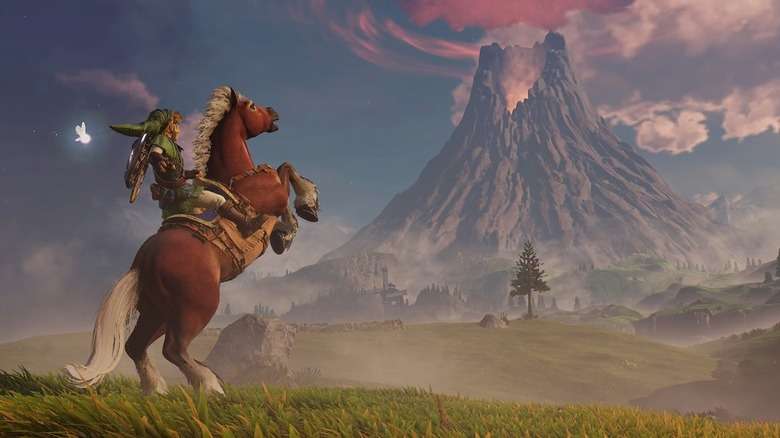
The Legend of Zelda: Ocarina of Time remake reportedly uses AMD FSR 1.0 for upscaling and SMAA for anti-aliasing on Nintendo Switch 2, rather than Nvidia’s DLSS technology. The information comes from SuperMetalDave64 on X.
According to the post, players can access the relevant graphics information through the Switch 2 options menu when a game has been pre-ordered or installed. The details suggest that Nintendo has opted for an older spatial upscaling solution instead of the console’s dedicated AI-based reconstruction technology.
SuperMetalDave64 expressed surprise that Nintendo still isn’t making use of DLSS nearly a year and a half after the Switch 2 launched. However, the poster also suggested that the decision may not make much of a practical difference for this particular game.
The reported choice is interesting given the Switch 2’s hardware capabilities. Nintendo’s console uses custom Nvidia Ampere-based silicon equipped with Tensor Cores and dedicated ray-tracing hardware, allowing developers to take advantage of DLSS for improved image reconstruction.
DLSS is designed to produce sharper output from lower internal rendering resolutions, potentially helping games achieve higher display resolutions without the same performance demands as native rendering. The technology can also help developers balance image quality, frame rate and power consumption, particularly in handheld mode.
AMD FSR 1.0, meanwhile, uses spatial upscaling rather than the AI-based reconstruction employed by DLSS. SMAA handles edge smoothing separately, meaning the reported setup relies on a more conventional approach to image quality.
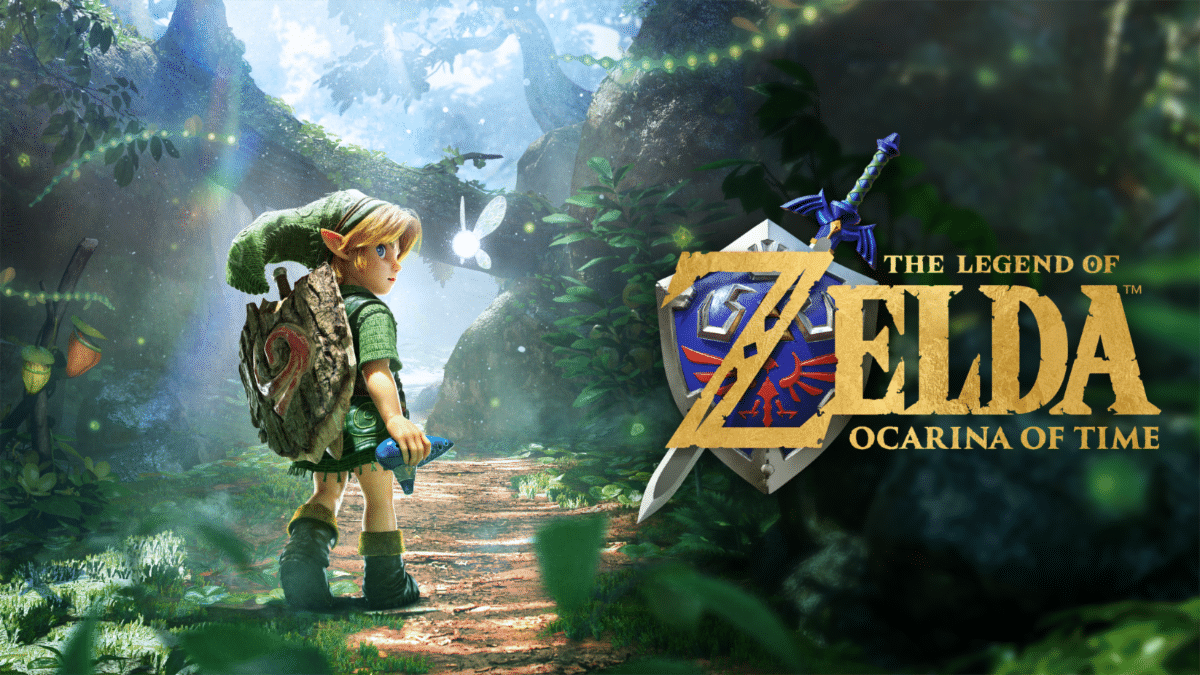
The Legend of Zelda: Ocarina of Time remake is scheduled to launch exclusively on Nintendo Switch 2 on November 5, 2026. The game is a complete visual and mechanical reimagining of the original 1998 Nintendo 64 release, featuring redesigned environments, voiced cutscenes and modernised controls.
The remake also introduces full 360-degree camera movement and support for playing Link’s ocarina through the console’s built-in microphone. Combat, movement and the user interface have been updated, while the original story and dungeon layouts remain intact.