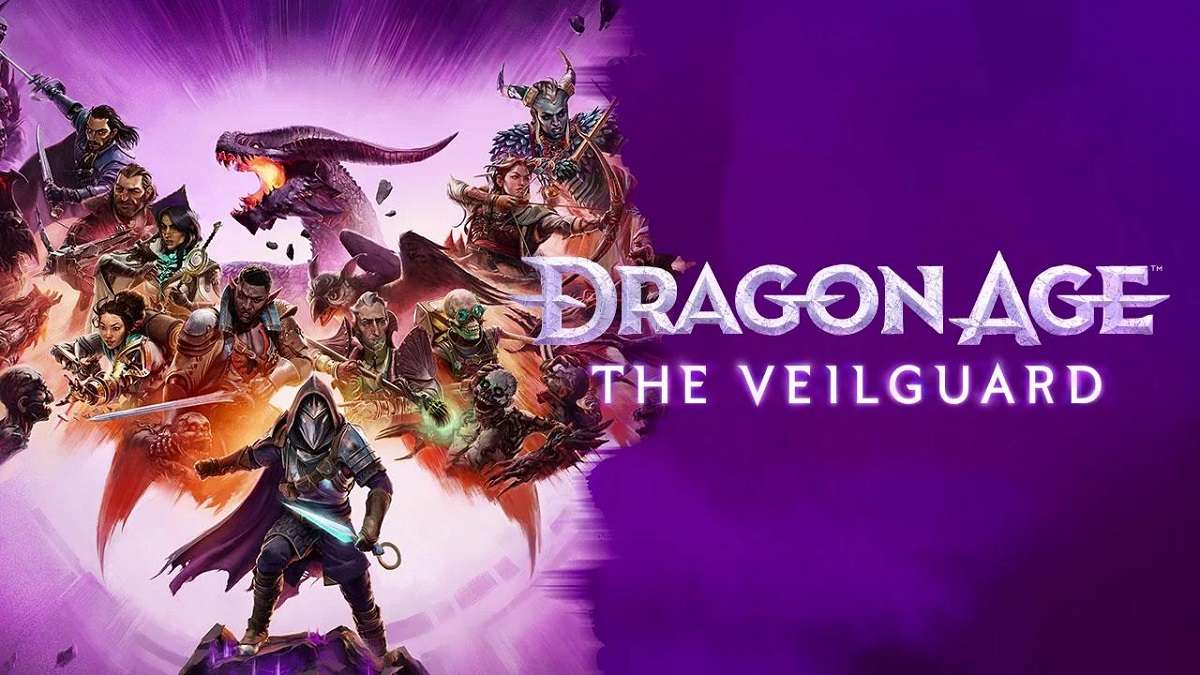
Dragon Age: The Veilguard executive producer Mark Darrah has explained how EA’s shifting deadlines left BioWare with little time to rethink the game’s development.
2 weeks ago, executive producer Mark Darrah examined the corporate circumstances behind the troubled development of Dragon Age: The Veilguard at BioWare in the opening episode of his post-mortem series, tracing its shifting release targets back to the developer’s attempts to accommodate EA’s shifting deadlines. Following its 2008 acquisition, BioWare initially pursued annual releases before switching to a two-year cycle, with Dragon Age: Inquisition targeting 2014, Mass Effect: Andromeda following in 2017, and Anthem in 2019.

However, Anthem would significantly disrupt Dragon Age 4’s development. In 2017, much of the Dragon Age team, including Darrah, was reassigned to help develop Anthem. The project was then rebooted, abandoning its original direction under the codename Joplin in favor of a live-service game codenamed Morrison. Darrah identified this period as the one opportunity when the team had sufficient time to fundamentally reconsider the game. With its release still years away, BioWare could make substantial changes. However, the eventual return to a single-player experience would require another major pivot, this time without the same breathing room.
After Darrah returned to the project in 2019, Dragon Age 4 targeted a late-2022 release. COVID-19, leadership changes, and the transition back to single-player development complicated those plans. The game, eventually titled Dragon Age: The Veilguard, repeatedly received smaller delays before launching on October 31, 2024. According to Darrah, these incremental extensions kept the project dangerously close to its next deadline. Even when the game encountered problems, the team lacked sufficient time to step back, reconsider its direction, and make transformative changes.

Darrah argued that establishing a firm release date earlier could have given BioWare greater flexibility to address issues with player choice, consequences, and reactivity. Although The Veilguard spent nearly a decade in development, much of that time was spent under the pressure of being less than 2 years from launch.
BioWare recently announced its closure after more than 30 years in the video game industry, as “early development” on the next Mass Effect game comes to an end. Read about it here.