Final Fantasy Resonance is a game I never expected Square Enix to make. I’ve played the classic Final Fantasy games, and I enjoy the modern entries too, but I never thought I’d see the series return to its old-school roots through HD-2D. I’m glad Square Enix has finally explored this direction.
Personally, I think the company could use this technology to remake Final Fantasy 1 through 6, much like it did with the Dragon Quest 1, 2, and 3 remakes. A lot of the groundwork is already there in Resonance, with enemies, sprites, and characters drawn from across the series. That gives Square Enix a solid foundation to build on if it decides to revisit the earlier games in this style.
Resonance feels like a love letter to longtime fans. It brings back the visual style and gameplay that made the classic games special, giving them a modern presentation without losing sight of what made them work in the first place. The HD-2D visuals give the game its own identity, and there’s a clear effort to make this feel like a proper Final Fantasy adventure rather than a simple nostalgia trip.
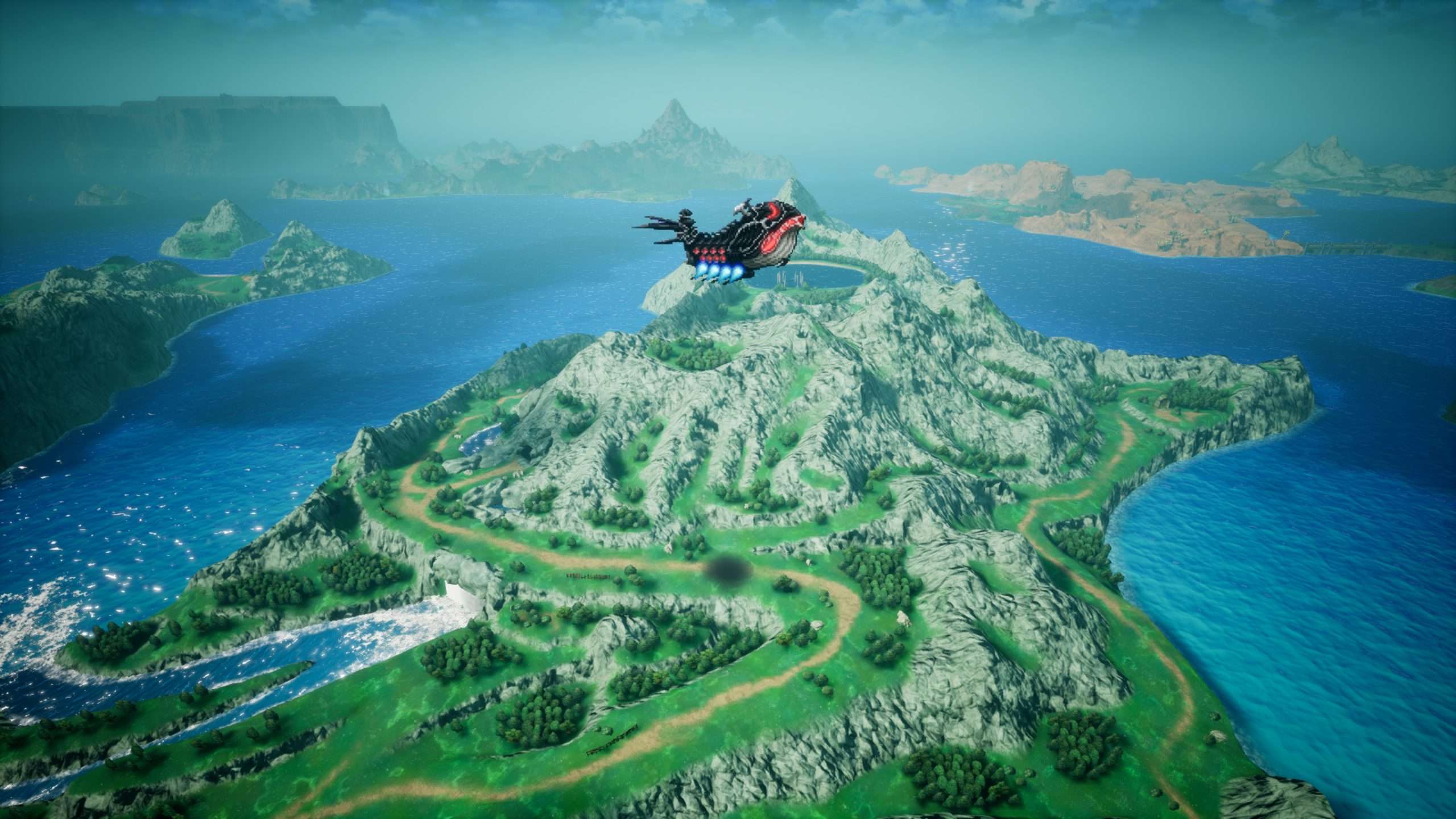
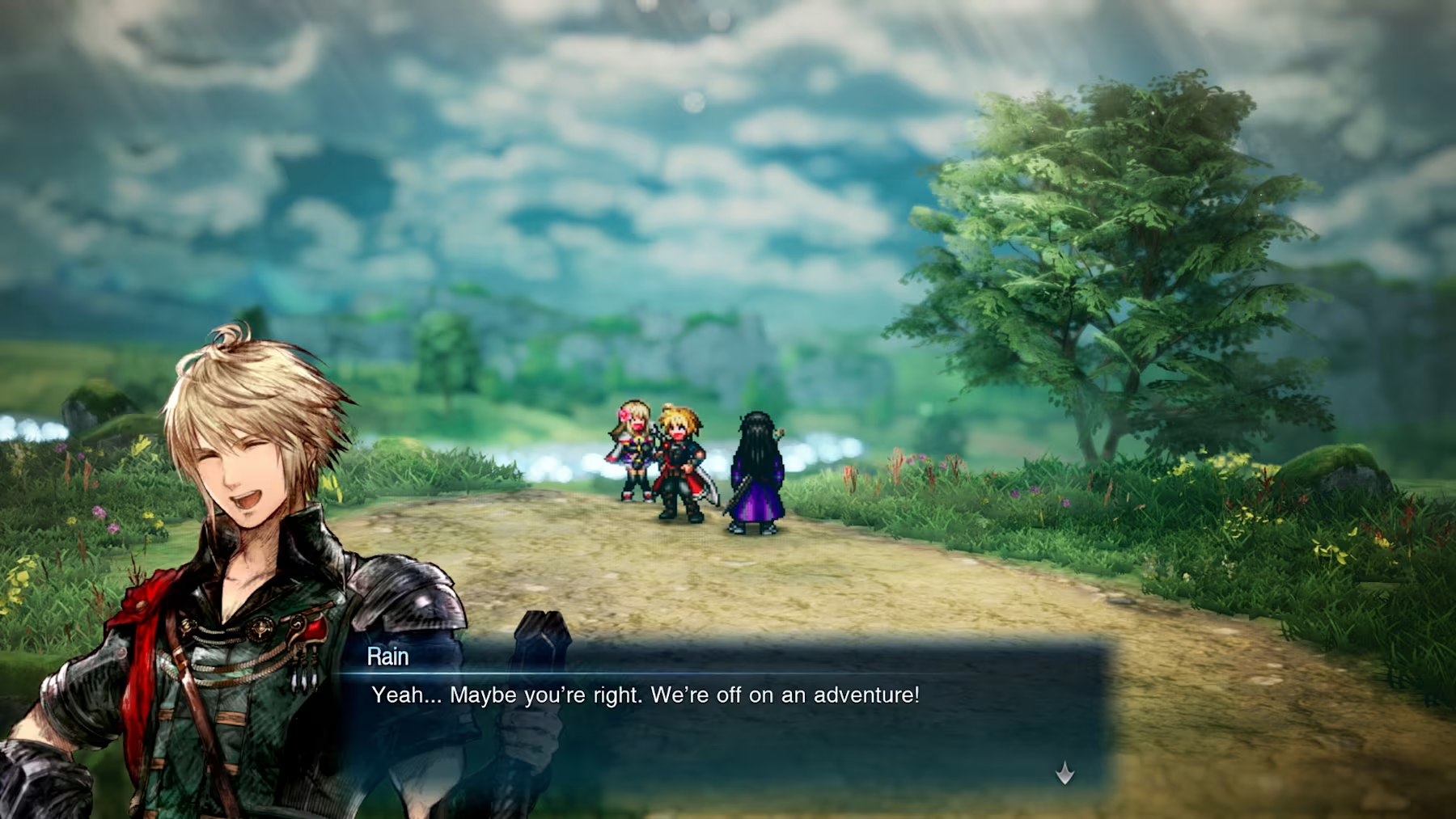
The story takes place in the Land of Lapis and the Kingdom of Grandshelt. You follow Rain and Lasswell, childhood friends who serve as knights in the kingdom’s airship squadron. Their investigation into the Earth Crystal leads them into a confrontation with Veritas of the Dark, a man in black armor who defeats them and shatters the crystal. As the adventure progresses, they learn about the Sworn Six, a group of armored warriors, and set out to protect the world’s remaining crystals.
Along the way, the party meets Fina, a girl who has lost her memory and whose past is tied to the crystals. The characters also gain the powers of Visions and make new friends throughout their journey. Friendship, rivalry, crystals, and the struggle between light and darkness all play a part in the story. These themes have been part of Final Fantasy for decades, and Square Enix uses them to maintain a connection to the series’ roots.
The writing, however, is one of the game’s weaker points. The story follows a fairly traditional JRPG formula, and while the characters are good enough to make up for some of its shortcomings, they can’t carry the entire experience on their own. The narrative needs to hold your attention, too, and I don’t think it does a particularly good job of that here.
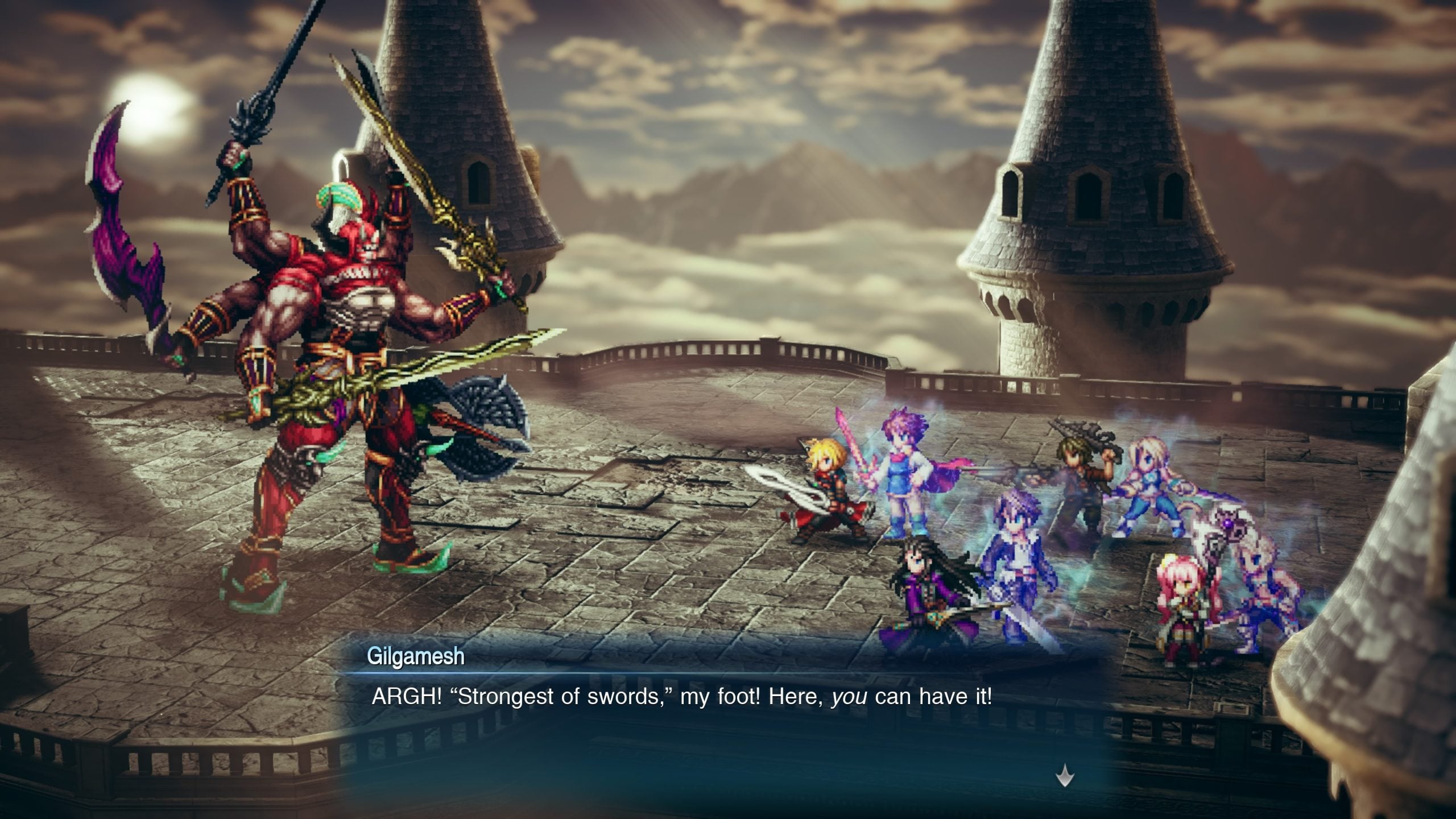
It’s also worth mentioning that Resonance is based on Final Fantasy Brave Exvius, a mobile gacha game whose global version shut down in 2024. I never played the original, but Resonance includes plenty of familiar faces from across the series, including Noctis, Clive, and Lightning, who appear as Visions. Square Enix has taken characters and other elements from the mobile game and rebuilt them within its HD-2D framework. Despite its mobile origins, the result is a full-fledged Final Fantasy game for consoles and PC.
Gameplay follows the classic turn-based JRPG formula, complete with a world map, towns, caves, and dungeons to explore. Battles feature a party of four and a command menu, while a timeline shows which character or enemy will act next. It makes planning your moves easier and gives you a clear picture of how each encounter might play out.
I particularly liked how the combat sticks to traditional turn-based mechanics while introducing a few welcome changes. An indicator warns you when a battle is about to begin as you explore, while every enemy has a stagger bar beneath its health gauge. Attacks gradually reduce the bar, and exploiting elemental weaknesses drains it faster. Once an enemy is staggered, it loses its turns, giving you an opening to deal additional damage.
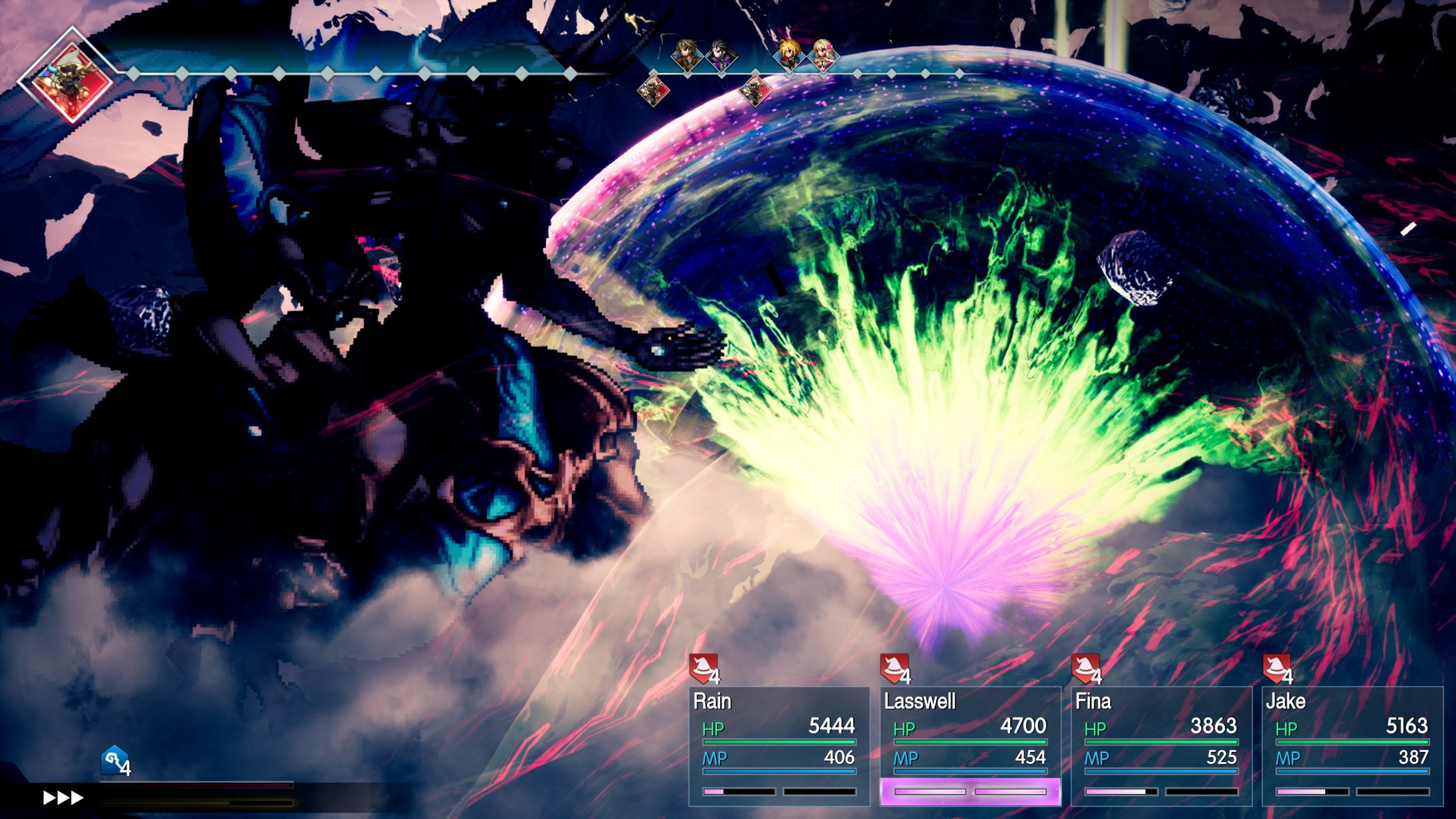
Stagger every enemy in a battle and you’ll trigger a Sweeping Stagger, which grants the entire party extra actions. During this window, you can unleash a Resonance, a powerful attack tied to one of your equipped Visions. These moves serve as flashy finishers, deal considerable damage, and can provide additional benefits, such as creating a barrier for the party.
Espers also make an appearance as summons. You can acquire familiar creatures such as Ifrit, Titan, and Bahamut, which remain on the battlefield for three turns before unleashing a powerful finishing attack. The short prologue does a decent job of introducing the basic mechanics before the adventure opens up.
Another major feature is the Vision system, which functions much like a job system. Visions are based on characters from across the series, including Cloud, Noctis, and Squall, alongside original additions from the Brave Exvius cast. Each Vision provides its own active abilities and passive bonuses, giving you different ways to build your party. Some abilities become permanent once mastered, allowing you to keep using them even after switching to another Vision.
You can find Visions throughout the world, including inside Vision Crystal Sanctums. There’s no strict order to follow, so you’re free to explore and pursue the ones that interest you. That freedom works well with the game’s large world, and fast travel makes getting from one place to another much less of a chore.
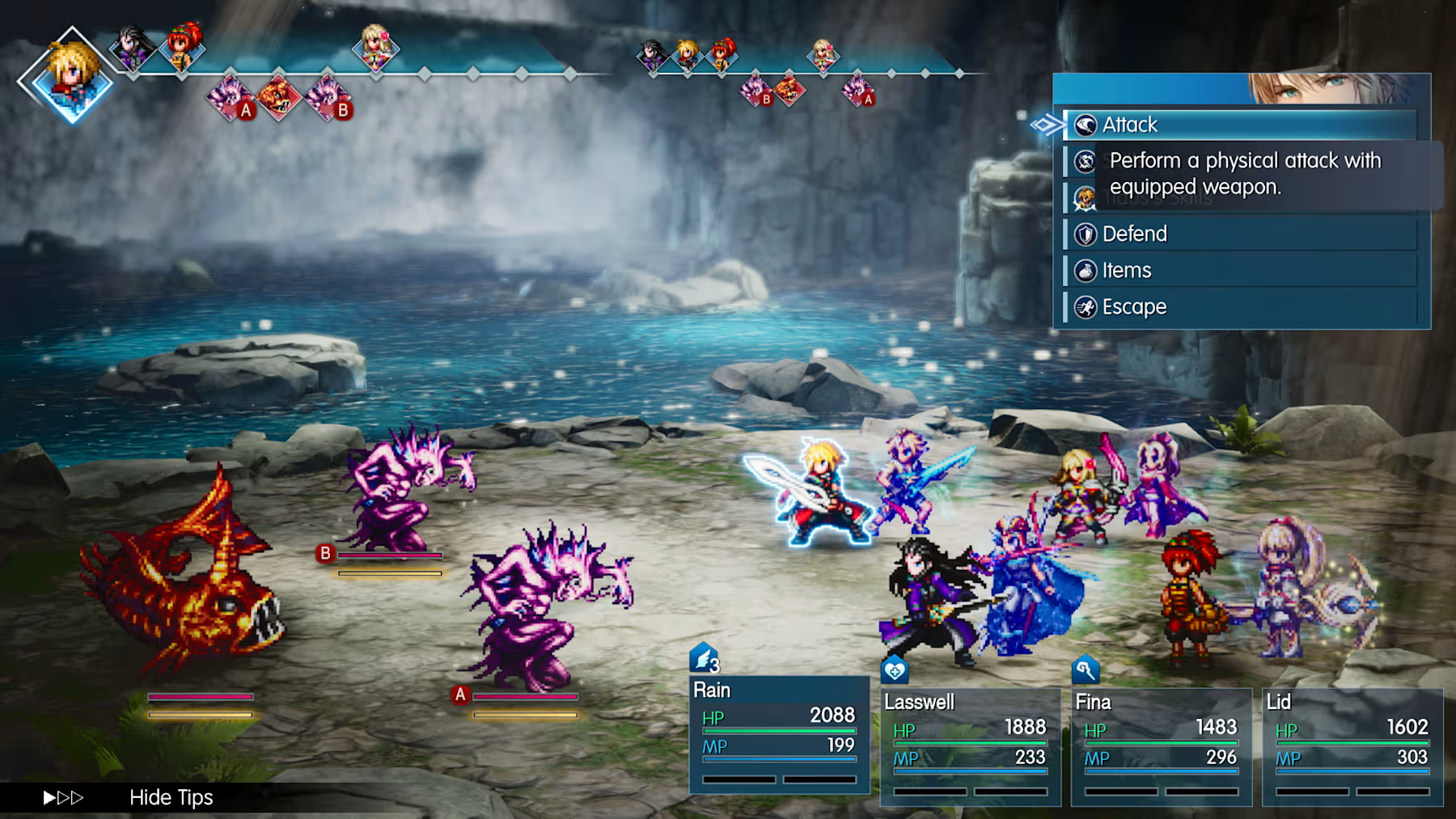
The main story is divided into chapters, but you can explore freely between missions. Side quests are tracked separately, while items such as Ethers and Tents help restore HP and MP. Dungeons feature familiar layouts, with some more challenging sections mixed in. The game gives you plenty of room to explore and figure things out without constantly telling you where to go or what to do.
Enemy variety is another strong point. Encounters rarely feel too repetitive, and the game pulls creatures from both classic and modern Final Fantasy titles. Anyone familiar with several entries in the series will recognize plenty of familiar faces. The difficulty is also reasonably balanced, while the option to adjust battle speed makes the combat more accessible.
That said, turn-based combat won’t appeal to everyone. I generally prefer action-based combat, and there are times when I don’t feel like sitting through slower battles. Fortunately, Resonance lets you set the battle speed to slow, medium, or fast, so you can adjust the pace to suit your preferences.
Performance was a pleasant surprise. I tested Resonance on PC, Steam Deck, and Nintendo Switch 2, and it ran well across all three platforms. The Steam Deck held around 60 FPS for most of my playthrough, while the Switch 2 also managed to meet its performance target.
There were occasional frame rate drops while exploring the overworld, and the more elaborate animations, visual effects, and cutscenes could also affect performance on Steam Deck and Switch 2. Still, the dips weren’t severe enough to spoil the experience, and I didn’t encounter any major technical problems.
Resonance brings together many of the elements that have defined Final Fantasy over the years and presents them in a modern style. The cutscenes look great, the characters are enjoyable to spend time with, and the combat offers plenty of room for experimentation. There’s also a substantial world to explore, even if the story falls short in places and the side quests rarely stand out.
I’d recommend Resonance to Final Fantasy fans, particularly those who have a soft spot for the older games. The familiar characters, classic themes, and HD-2D presentation make it an appealing return to the series’ roots. Players who prefer action-based games might not connect with it in quite the same way, especially if they don’t have that nostalgia for classic Final Fantasy. Still, anyone who enjoys fantasy adventures and turn-based JRPGs should find plenty to like here.
Game Information
- Game Title: Final Fantasy Resonance
- Price: $49.99
- Publisher: Square Enix
- Developer: Square Enix / Lancarse
- Platform: Nintendo Switch 2/PC (Reviewed)
- Review Code: Provided by the publisher