Luna Abyss arrives with an intriguing pitch. Part first-person shooter, part platformer, and part narrative mystery, it blends fast movement, bullet-hell-inspired encounters, and a surprisingly decent narrative set within a dystopian lunar prison. Drawing inspiration from games like Returnal, NieR, and Doom without fully resembling any one of them, it delivers an experience that remains reasonably engaging throughout its roughly 10 to 12-hour campaign.
The story follows Fawkes, a prisoner serving a sentence of more than 9,000 days inside Luna, a sprawling correctional facility overseen by an artificial intelligence. Prisoners are allowed to reduce their sentences by sending their consciousness into Ghost in the Shell-like synthetic bodies known as Scouts and exploring a vast underground structure called the Abyss. This seemingly routine mission soon becomes something far stranger as Fawkes uncovers secrets surrounding the prison, its rulers, and the disturbing fate of those who ventured into the Abyss before her.
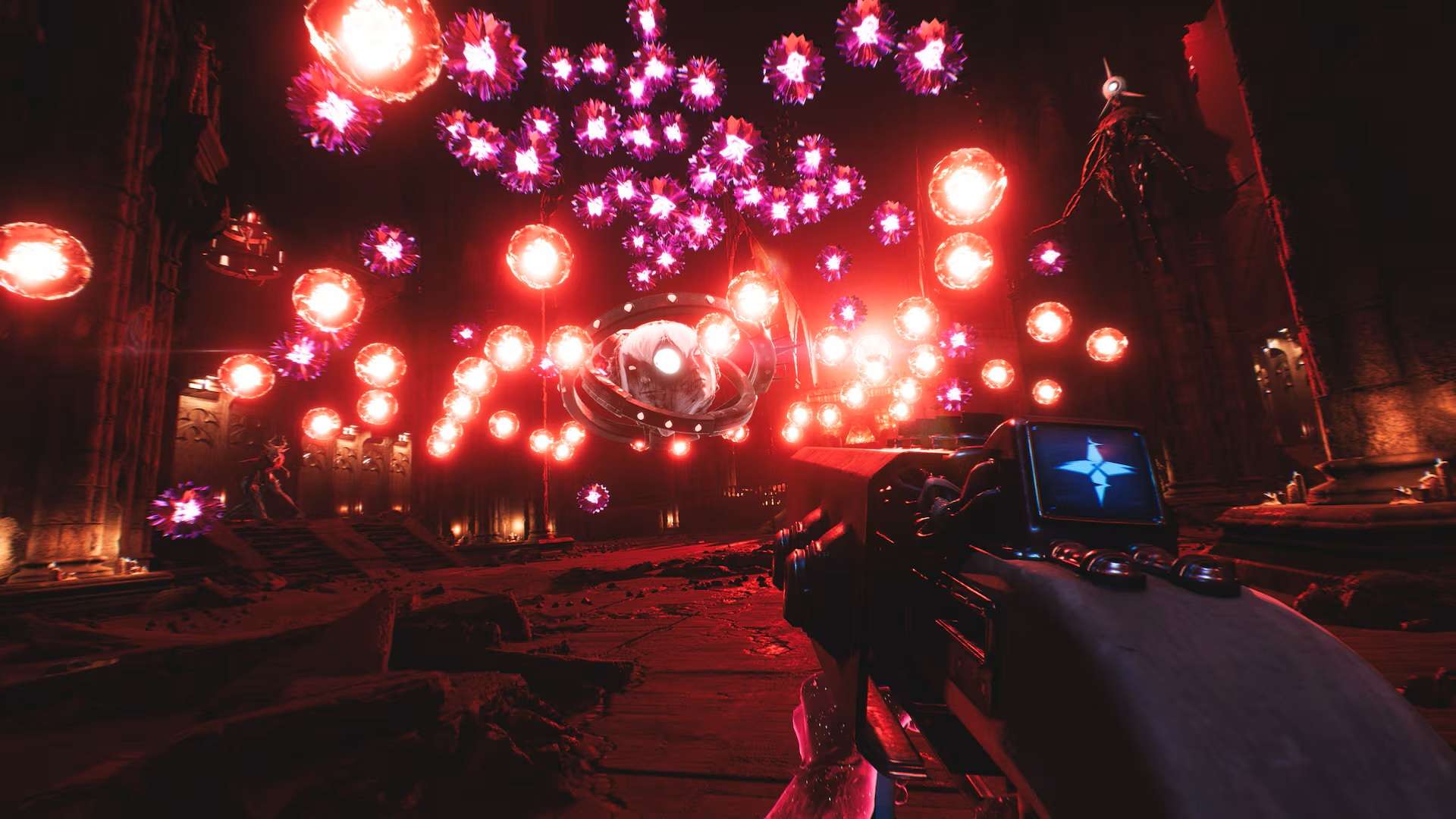
Conversations with the creepy AI entity Aylin and encounters with the tragic creatures inhabiting the underground world gradually reveal a setting filled with religious symbolism, social commentary, and questions about humanity’s relationship with authority and technology. Dialogue choices merely create the illusion of player agency without actually altering story events, but the plot remains compelling thanks to its steady drip-feed of revelations. Collectible documents scattered throughout the world add further context, turning what could have been simple background lore into an important part of understanding the larger picture.
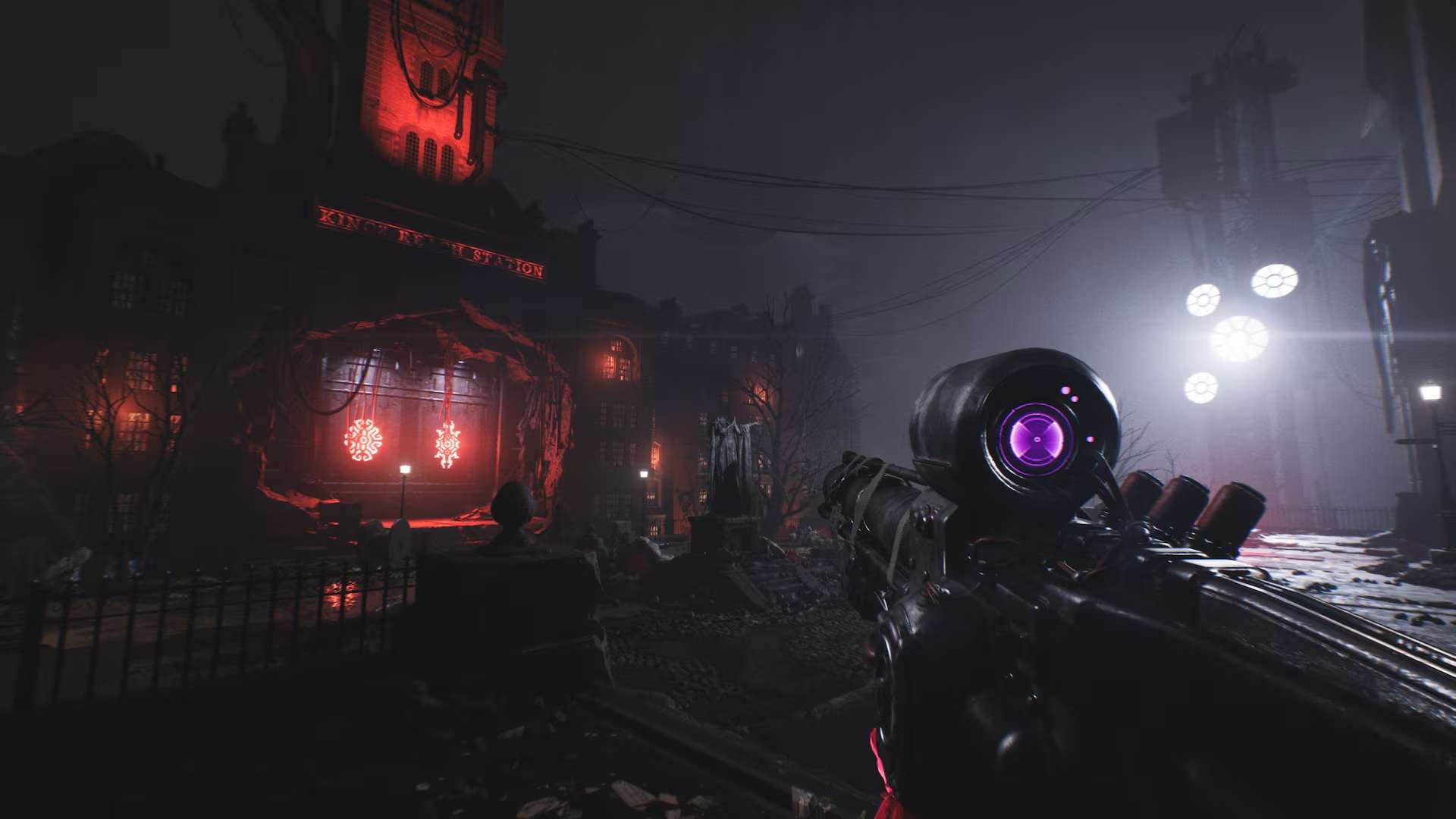
Fawkes starts with a limited degree of mobility, but additional abilities unlocked throughout the adventure gradually expand her options. Double jump, air dash, grappling mechanic, temporary platforms, and other traversal tools allow the game to build increasingly elaborate platforming sequences. These sections often prove more enjoyable than the combat itself, demanding quick reactions and making good use of the game’s verticality.
Several segments also introduce unique possession mechanics that temporarily place the player inside specialized bodies with different abilities. Some allow Fawkes to smash through obstacles and enemies with brute force, while others focus on traversal or high-speed movement through on-rail sequences. These moments are limited to specific sections of the campaign, but they help prevent the adventure from becoming repetitive and bring some welcome variety.
Combat involves four primary weapons, namely an assault rifle, shotgun, sniper rifle, and rocket launcher. Rather than relying on traditional ammunition, each weapon operates using a cooldown system, encouraging the player to rotate between them constantly. Enemy shield types further reinforce this approach, as certain weapons are more effective against specific defenses. The system works well enough and gives each weapon a distinct purpose throughout the campaign.
Where Luna Abyss struggles is in the execution of its shooting mechanics. Lock-on targeting plays a major role in combat, simplifying encounters by automatically focusing on enemies near the center of the screen. While this approach makes the game’s bullet-hell inspirations more manageable, it also creates frustrating situations during larger battles. The targeting system doesn’t always prioritize the enemy the player actually wants to attack, forcing constant adjustments during chaotic encounters. Since later enemies frequently require specific weapons to break their shields, fighting against the targeting system can become almost as challenging as fighting the enemies themselves.
Difficulty balancing presents another issue. Despite the game being designed as a bullet-hell-inspired shooter, much of the first half feels surprisingly forgiving. Enemy projectiles travel slowly, lock-on aiming reduces the need for precision, and encounters rarely push the player to fully engage with the available mechanics. Combat only begins to find its footing later in the campaign, when enemy variety increases and larger groups attack simultaneously. By that point, the action becomes more engaging, but it takes quite a while to reach that point.
Boss battles stand out as the highlight of Luna Abyss’ combat, as they combine movement, weapon management, pattern recognition, and projectile avoidance into memorable set pieces that demand attention and skill. Learning attack patterns, breaking defenses, and navigating dense waves of projectiles create a level of intensity that combat encounters otherwise lack.
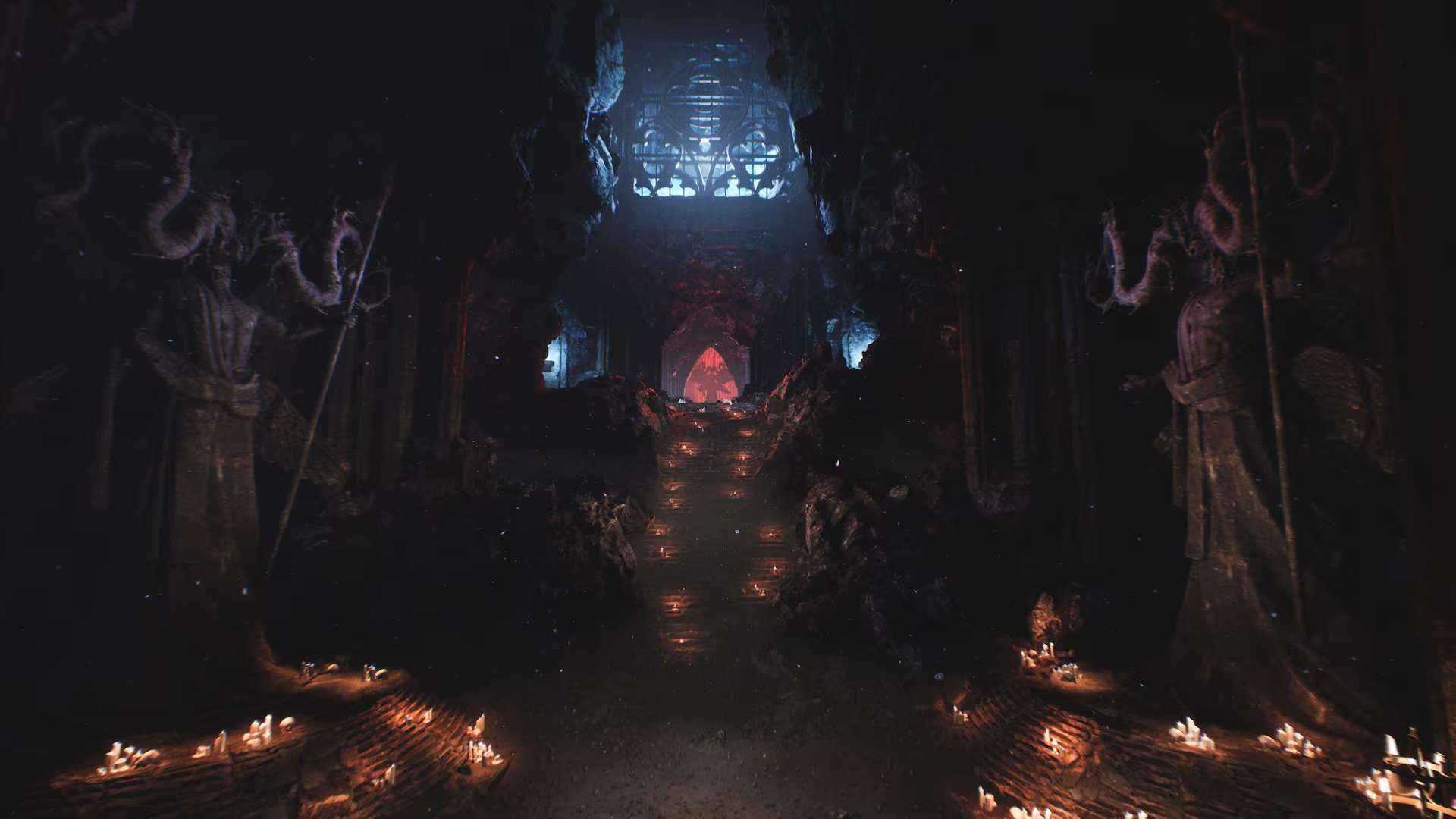
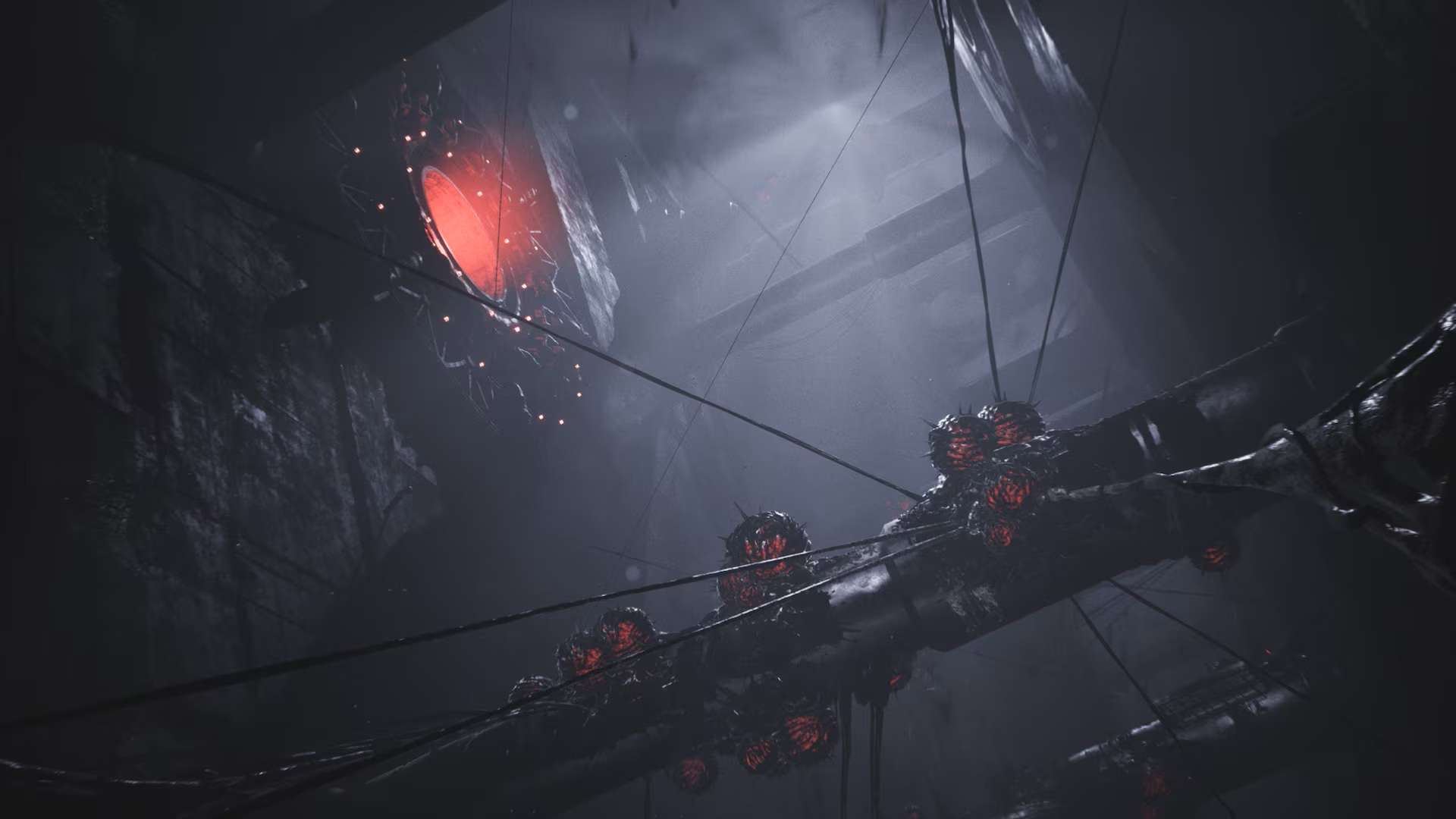
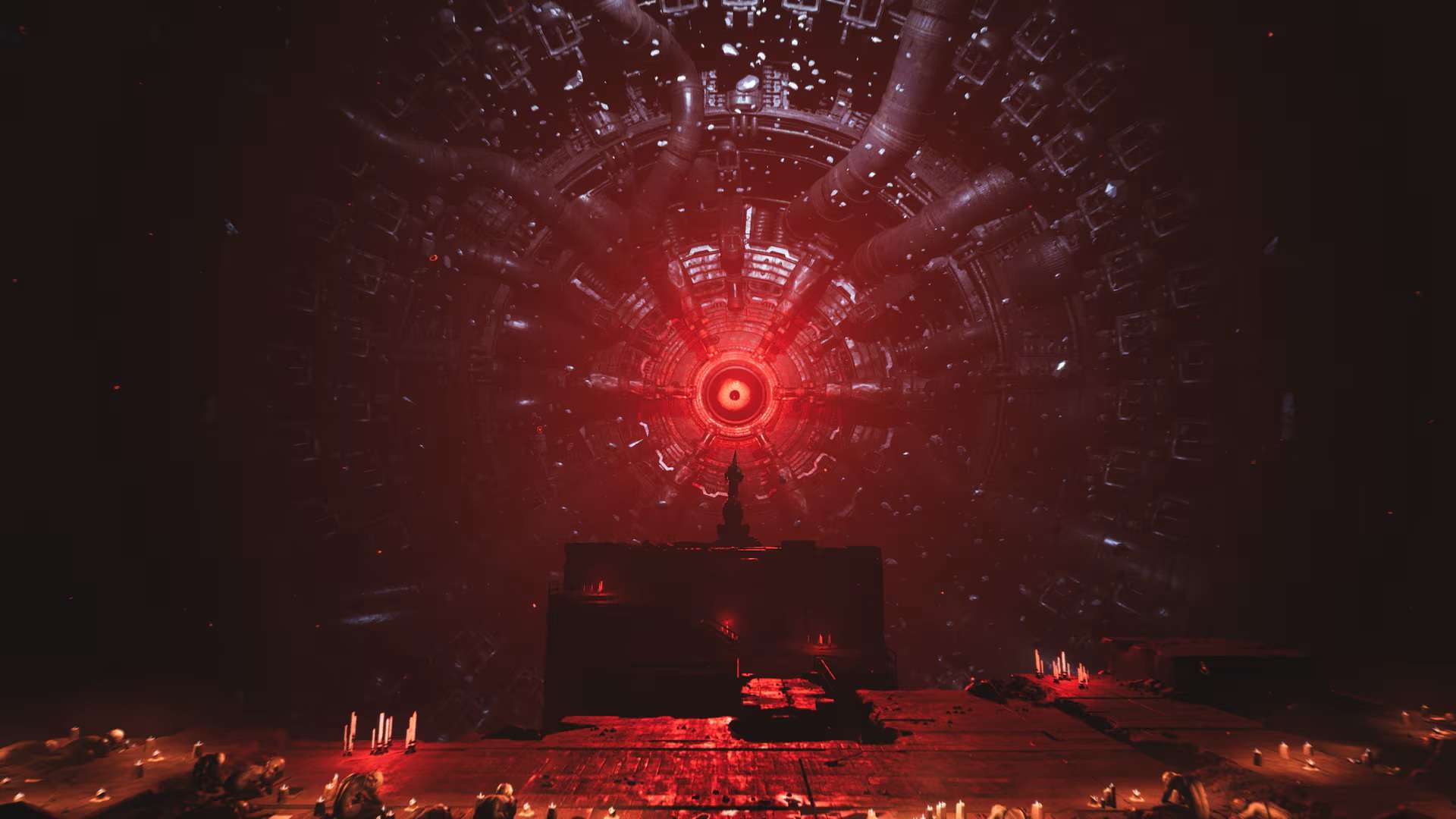
In terms of aesthetics, Luna Abyss combines industrial architecture, alien landscapes, and surreal visual design to create a world that feels both atmospheric and unsettling. That said, much of the adventure takes place in locations that look very similar. Furthermore, character animations can be awkward-looking, and environmental variety is lacking. Loading interruptions can also break the flow and seamlessness of the experience during platforming sections. In the audio department, David Housden’s soundtrack deserves special praise, as it elevates nearly every major moment with a memorable score.
Even with its flaws, Luna Abyss is worth recommending to fans of Returnal, NieR, and Doom. Its combat may not fully capitalize on its ideas, and the early hours can feel stale for a game inspired by bullet-hell design, but the combination of rewarding traversal, intriguing worldbuilding, and memorable boss encounters carries the experience forward. Kwalee Labs has crafted a game that is capable of punching above its weight, delivering an adventure that succeeds more often than it fails.
Luna Abyss Game Information
- Price: $29.99
- Publisher: Kwalee
- Developer: Kwalee Labs
- Platform: PS5 (Reviewed)
- Disclaimer: A review code was given by the publisher