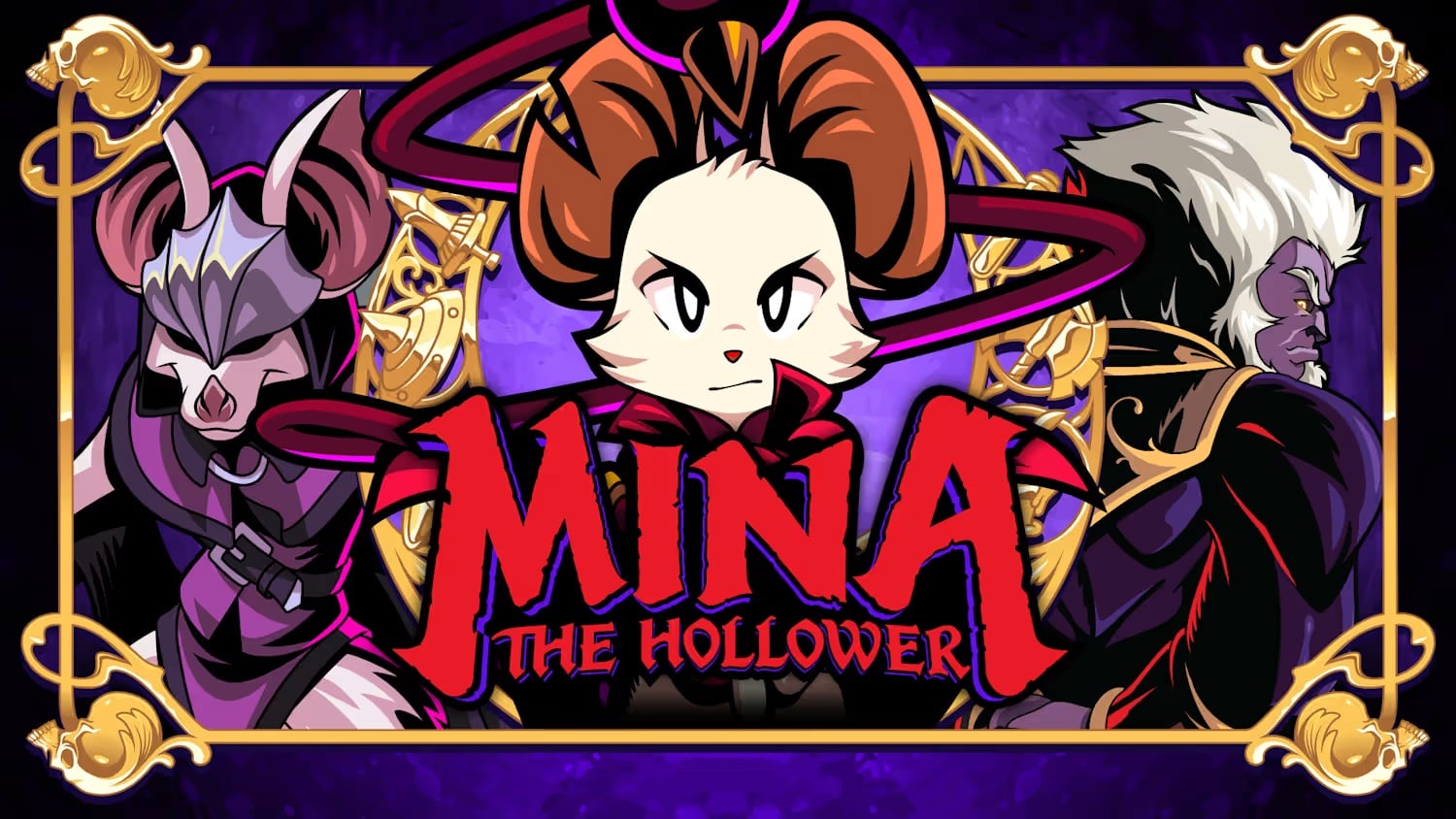
Yacht Club Games is best known for its work on the Shovel Knight series, but with Mina the Hollower, the studio has ventured into a different genre. At its core, the game is a top-down action-adventure in the same vein as The Legend of Zelda series, featuring old-school 8-bit-inspired visuals while incorporating modern design elements, including challenging Soulsborne-style gameplay.
The protagonist is a Hollower named Mina, who is summoned by Baron Lionel of Tenebrous Isle to investigate and repair the island’s Spark Generators. However, the mission quickly takes a turn for the worse when the crew’s ship is attacked by a Kraken, leaving everyone stranded on the island. As the story unfolds, Mina discovers that the Spark Generators are being deliberately sabotaged by a rogue guardsman known as Thorne. The narrative balances a serious central plot with moments of humor, creating a memorable and engaging adventure.
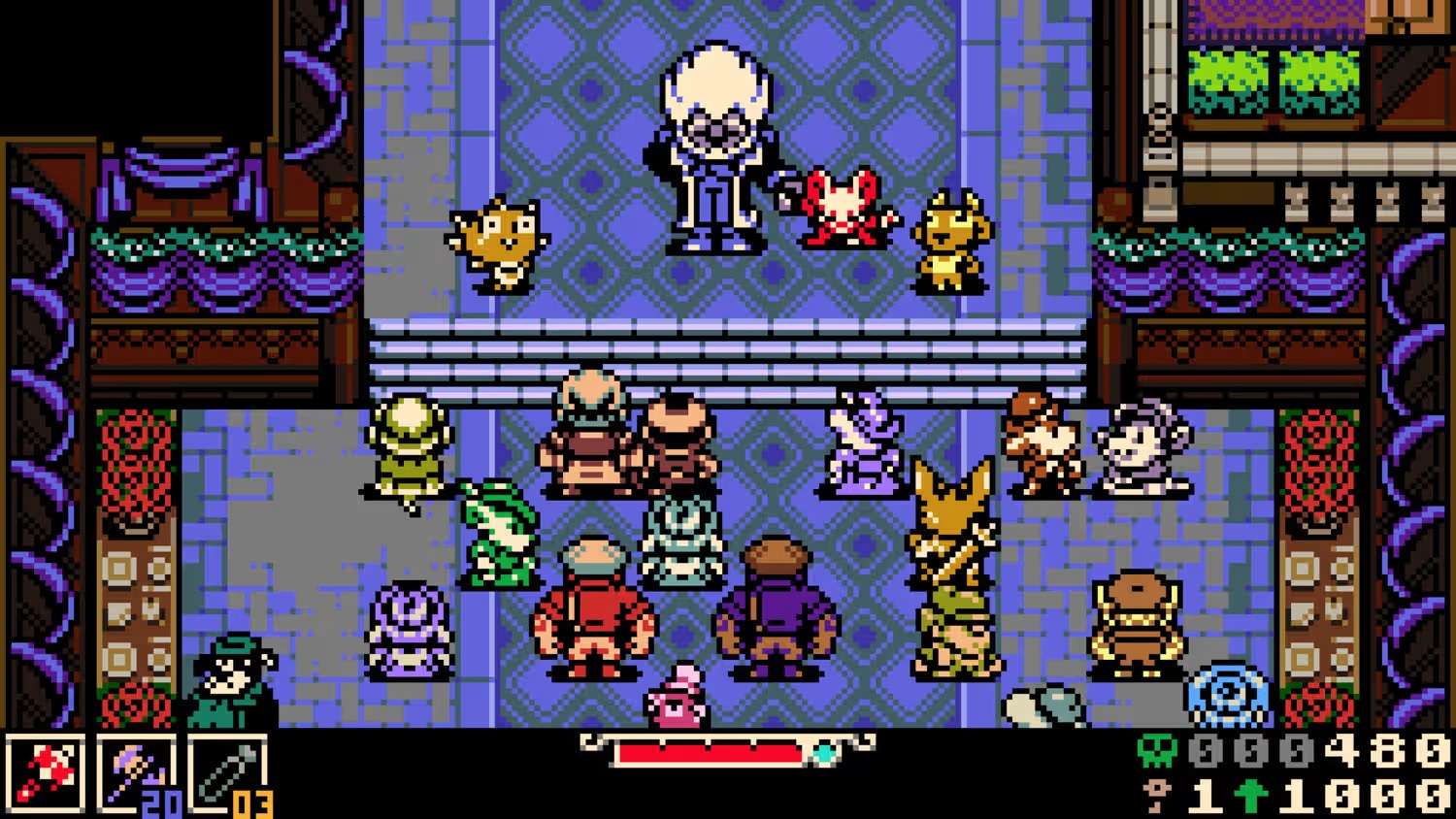
The game places just as much emphasis on storytelling as it does on gameplay. Cutscenes feature character banter accompanied by portraits rendered in a charming 8-bit pixel-art style. The story blends in plenty of absurd elements, helping to maintain a lighthearted tone while giving it a unique identity. The writing feels confident and consistently entertaining, with a touch of humor that keeps players invested in the characters and their motivations.
As for the gameplay, the top-down perspective does little to diminish either the challenge or the sense of discovery. The developers have created a variety of beautiful locations to explore, and the enemies provide a satisfying level of difficulty. Although it is a top-down adventure, Mina has the ability to jump and burrow underground, which adds interesting variety to the gameplay. She can dig beneath the surface for a short period before reemerging, while jumping serves both as a traversal mechanic and as a useful tool for dealing with flying enemies by mixing it into combat encounters.
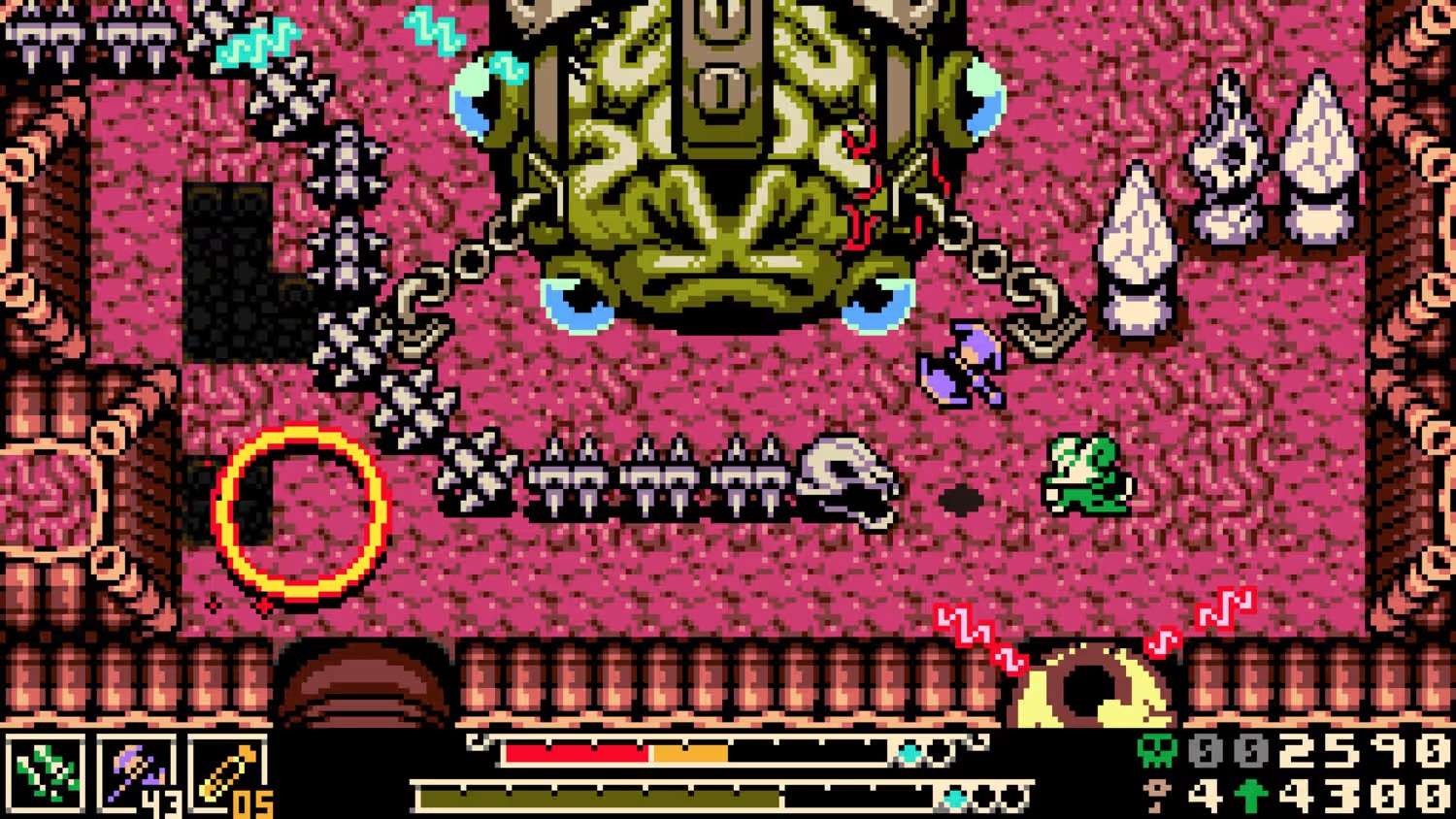
Both abilities are used extensively in combat. Burrowing is essential for avoiding enemy attacks or repositioning behind opponents, while jumping can be used to evade certain attacks. The health system follows a traditional Soulsborne formula, with a vial used to restore health. Since it has limited uses, it can run out quickly during difficult encounters. Checkpoints are placed throughout the world and serve as respawn points after death, though they can sometimes be spaced quite far apart during exploration. While Mina can recover some health by damaging enemies, the healing vial remains vital after combat. Using it during battle, however, can feel somewhat cumbersome, as the healing animation leaves Mina stationary and vulnerable.
The game also features a variety of primary and secondary weapons, along with trinkets that further customize gameplay. Primary weapons differ in terms of range, damage, and recovery speed. The Hammer, for example, deals heavy damage and can be charged for a powerful attack, but it has a slow recovery time. Whips offer greater reach and faster recovery but deal less damage. This creates a balanced combat system where a player’s choice of weapon significantly influences how encounters are approached. Secondary weapons generally have limited uses and can be lost upon death, but they provide valuable options for ranged attacks or dealing quick bursts of damage.
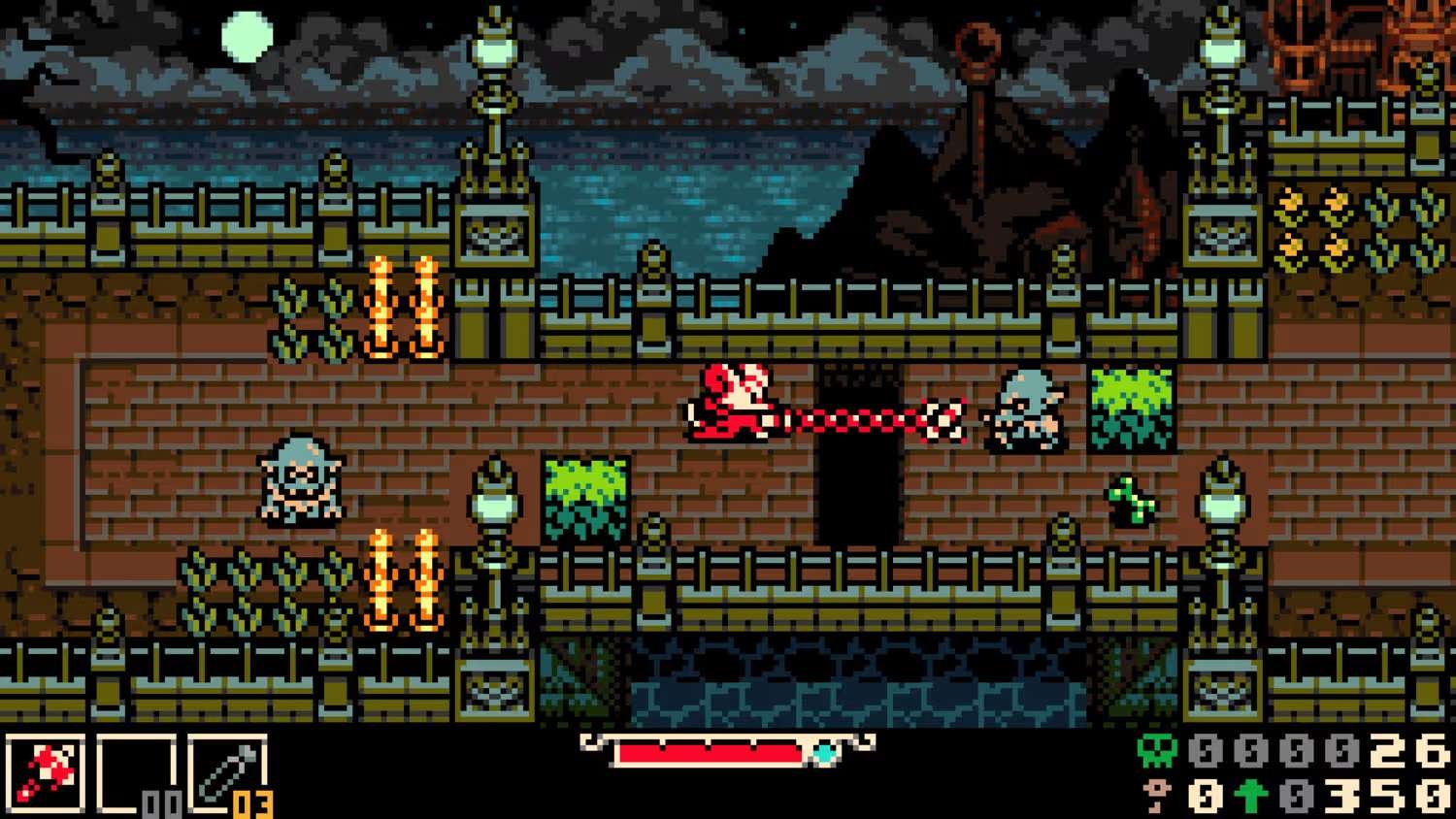
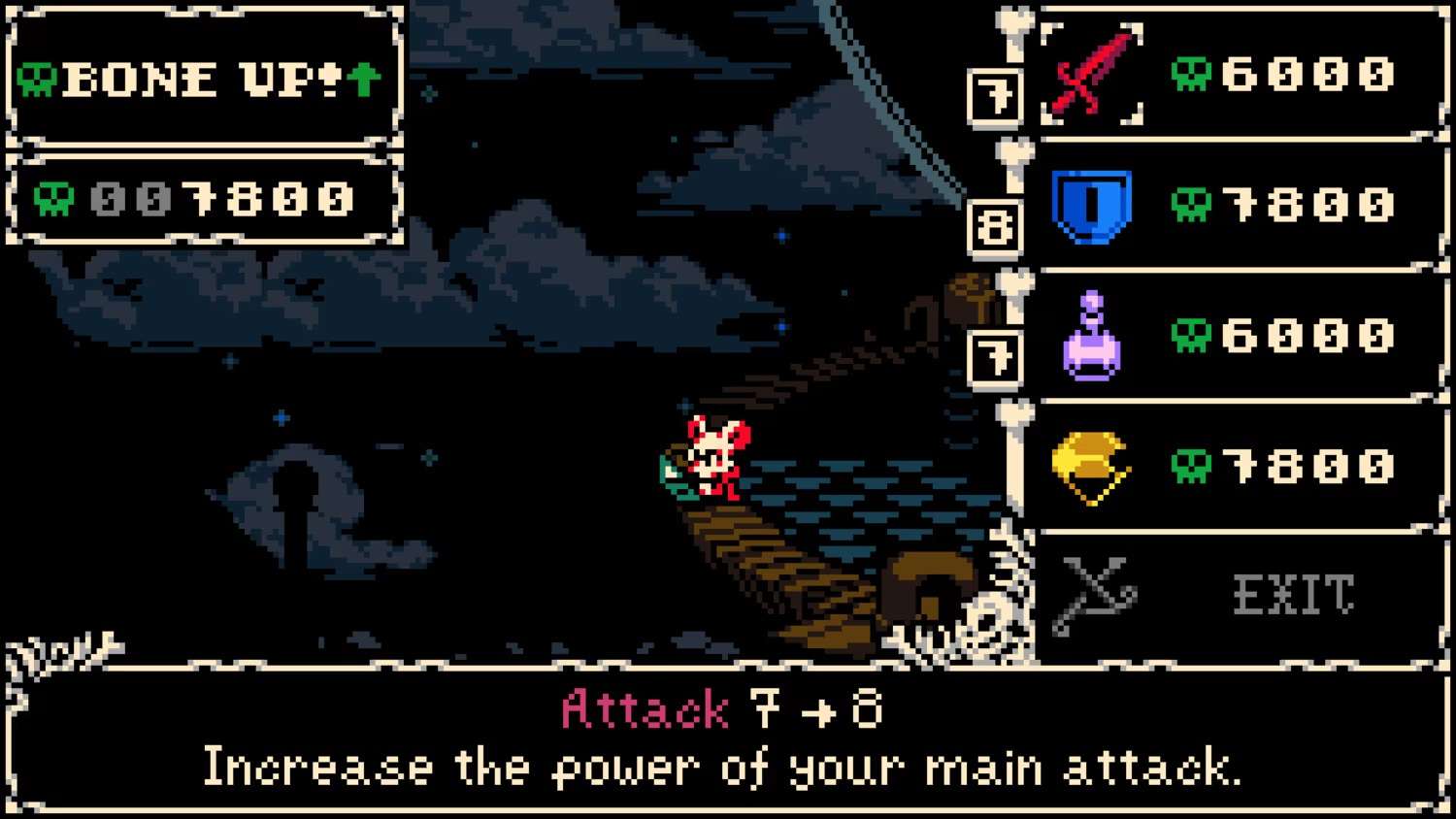
Trinkets allow players to customize their builds. Depending on the setup, it is possible to create a character focused on offense and defense, or invest heavily in survivability at the cost of damage output, allowing for a safer approach to combat. Exploration is highly rewarding, with a central hub connecting multiple regions. Reactivating Spark Generators opens access to new areas, encouraging players to continue pushing forward. The game also features a Metroidvania-style structure, where certain paths and dead ends can only be accessed later with the proper tools or abilities. However, the game does not always communicate this clearly, which can occasionally lead to confusion.
Visually, Mina the Hollower will likely appeal most to players with a fondness for classic games, much like Shovel Knight. The developers have crafted a beautiful world filled with atmosphere, supported by a soundtrack that complements the experience perfectly. A great deal of care and attention to detail has gone into creating an adventure that feels like a relic from a bygone era. At times, it genuinely resembles an NES game brought to life with modern design sensibilities. That said, the visual quality can occasionally feel inconsistent across certain areas and elements.
At its launch price, Mina the Hollower offers excellent value. The game is packed with secrets, including optional bosses, hidden rooms, and numerous opportunities for exploration. Combined with the Trinket system, there is plenty of room for experimenting with different character builds. As a result, the replay value is substantial, particularly for players looking for a Zelda-inspired adventure with Soulsborne mechanics. However, it is not a game that will appeal to everyone. Its difficulty can sometimes lead to frustration rather than enjoyment, and it takes time before all of its systems come together. That slower start may discourage some players before the game has a chance to fully reveal its strengths.
Mina the Hollower Game Information
- Price: $19.99
- Publisher: Yacht Club Games
- Developer: Yacht Club Games
- Platform: Switch 2, PC (Reviewed)
- Disclaimer: A review code was given by the publisher