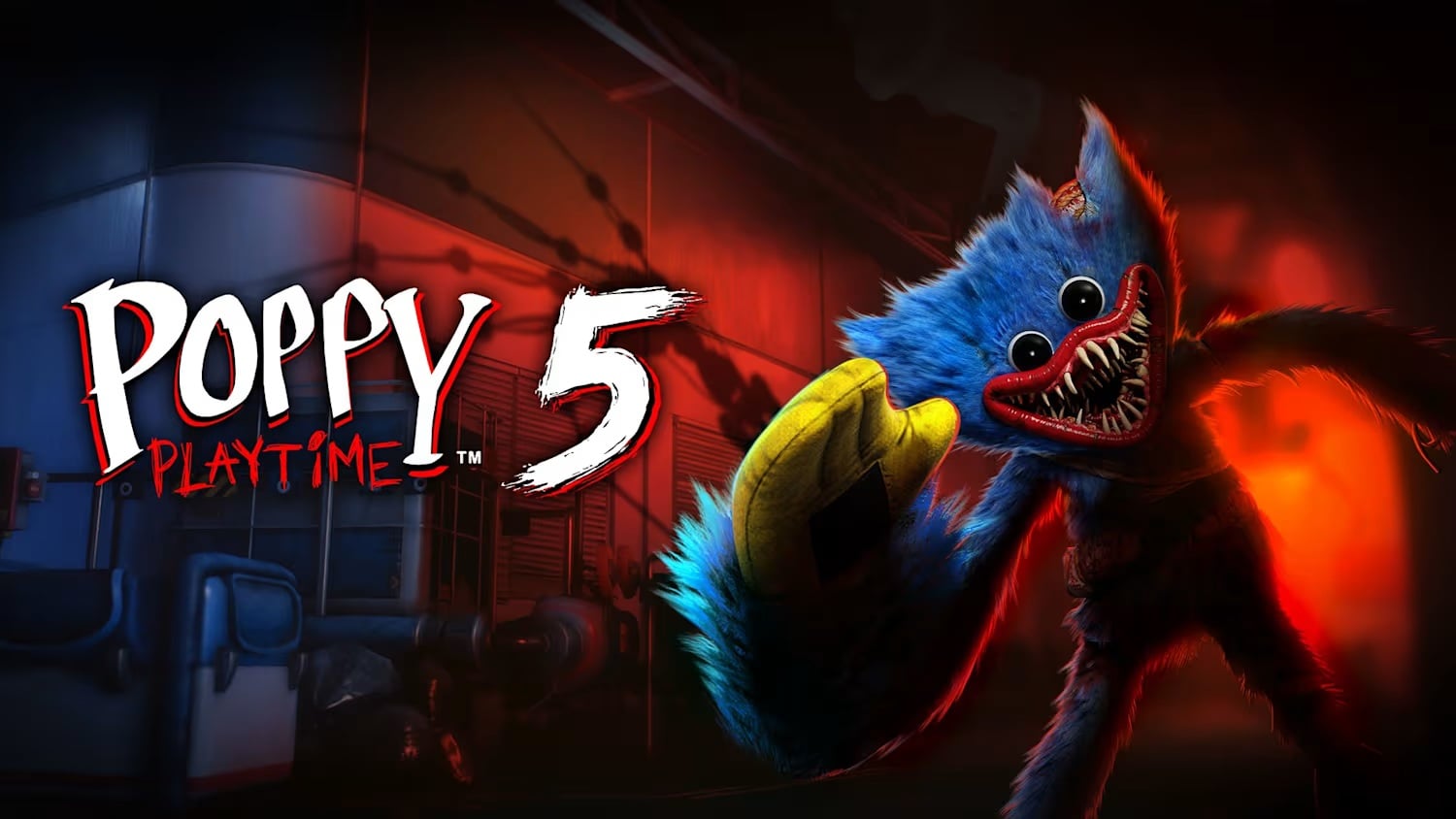
Poppy Playtime Chapter 5 continues the story of a franchise that has now grown to nearly half a dozen chapters. This time, the narrative finally shifts its focus toward many of the major mysteries that have been left unanswered throughout the series. It delves deeper into the history of Playtime Co., its experiments, and the creatures that emerged from them. The origins of these creatures are explored in greater detail, offering a more in-depth look at the events that shaped the story.
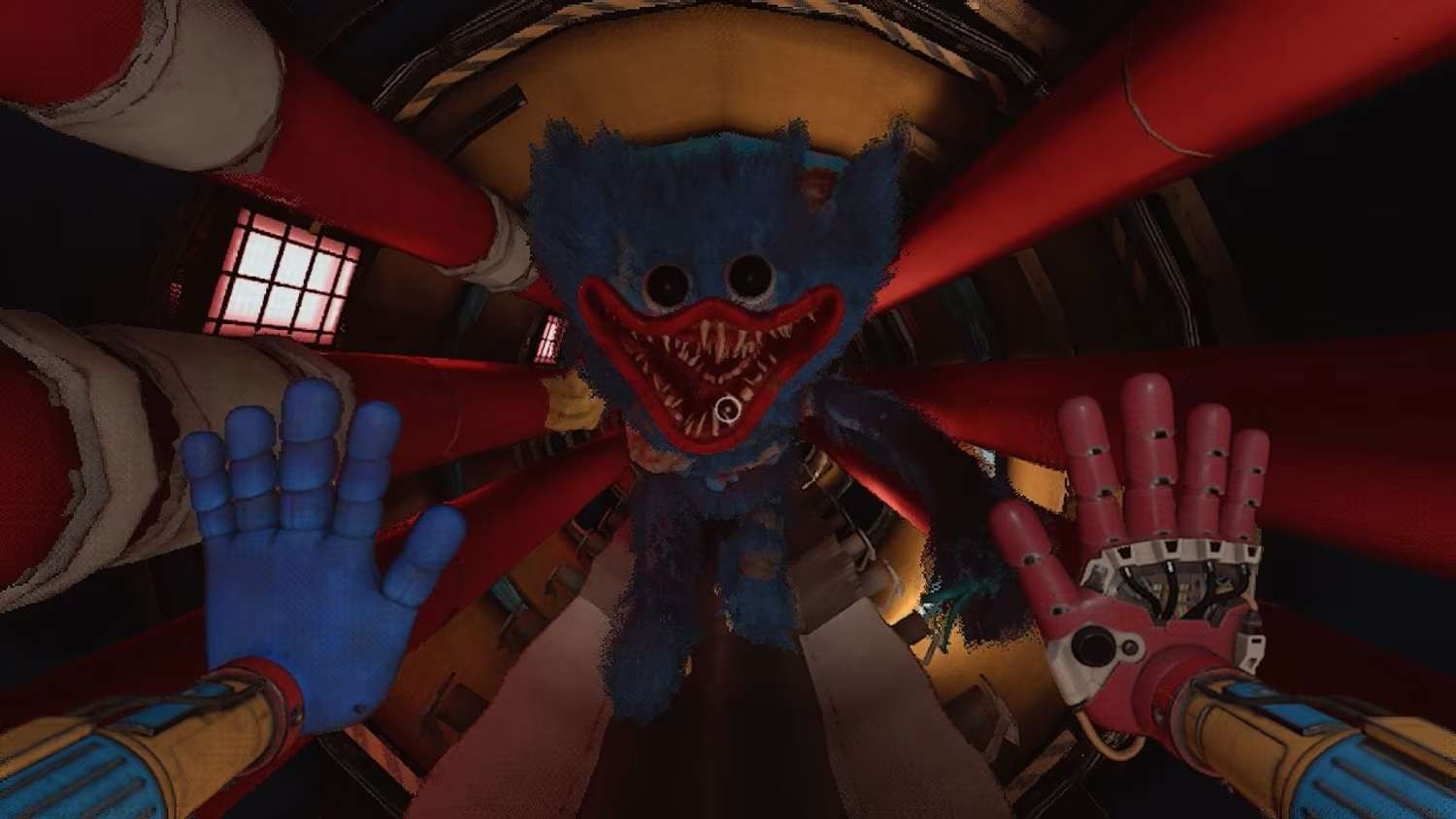
The game relies heavily on environmental storytelling and opens with the return of the iconic Huggy Wuggy. It attempts to recapture many of the memorable moments that made the first chapter so popular among fans. The story also sheds light on the origins of the Prototype, a figure that has been teased throughout previous chapters. While the narrative is stronger and more focused this time around, it never quite develops enough to truly stand out among the many horror games in the genre.
What frustrated me most about the story is that the drip-feed approach continues even with this chapter’s release. It ends on yet another cliffhanger, leaving the door open for more fan theories and interpretations. At this point, it really tests the player’s patience. Personally, I would have preferred experiencing the complete story once it was finished rather than receiving it in small pieces over multiple chapters. The breadcrumbs scattered throughout the narrative do not feel substantial enough to justify experiencing each chapter as a standalone release.
The gameplay remains largely unchanged, with only a few minor improvements. Players explore environments from a first-person perspective, solve puzzles, and interact with various objects while occasionally encountering chase sequences, such as the opening segment where Huggy Wuggy returns to terrify players. The GrabPack has also received some refinements, replacing the old color-based system with a more distinct setup. The different hands can now be swapped quickly using either a shortcut or a radial menu, making it easier to access the required abilities during gameplay.
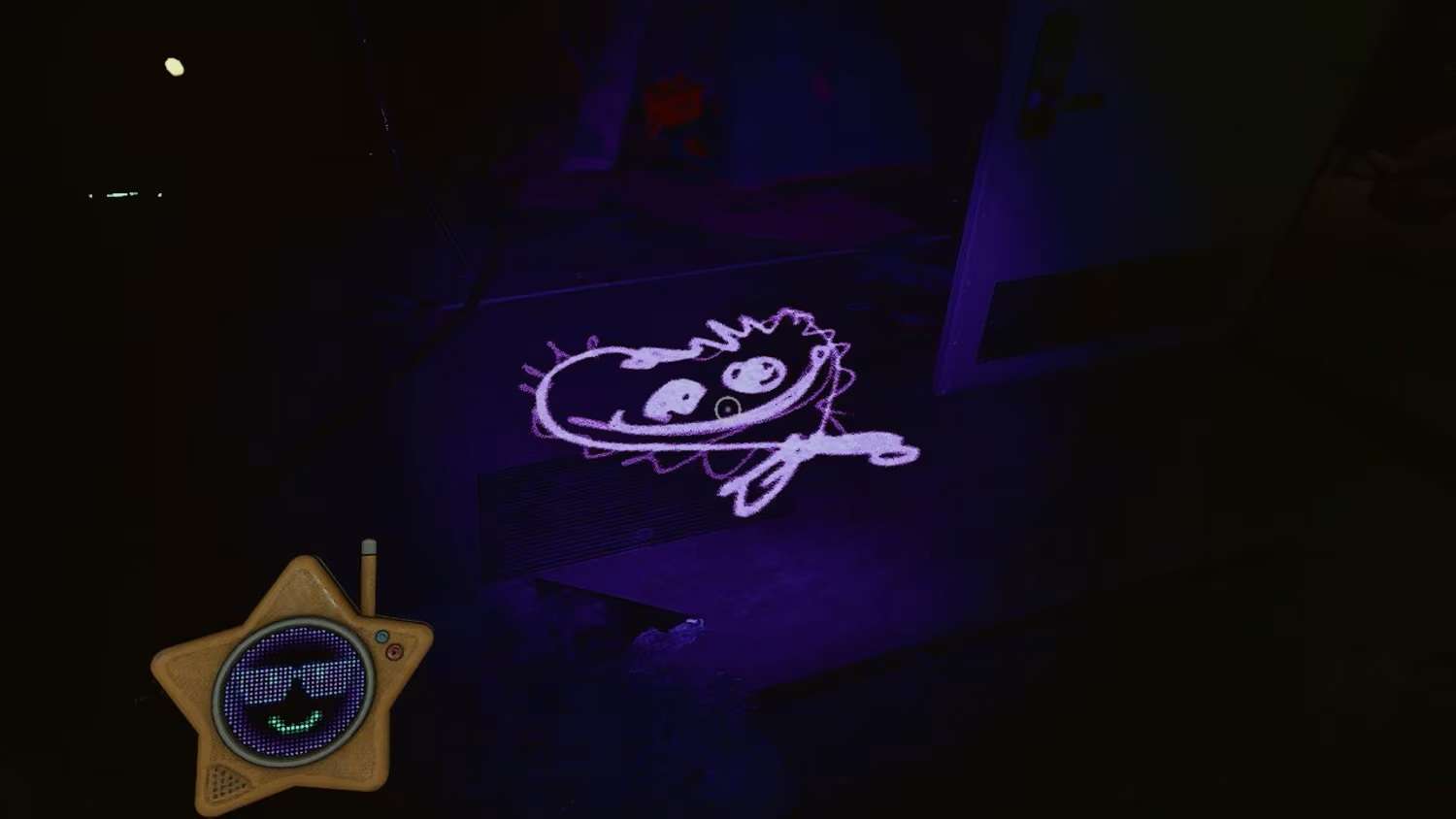
The developers have also introduced a new tool called the Glowby, which functions as both a flashlight and a device for revealing hidden messages and secrets. Since the story is not always easy to follow, exploring thoroughly and paying attention to the lore is important for understanding what is happening in the world. The chase sequences remain genuinely tense, as they often combine escaping from enemies with solving puzzles under pressure. However, on Switch, repeated deaths can become frustrating due to the relatively long load times.
The puzzles are beginning to show signs of repetition, often revolving around rerouting power or using the GrabPack hands to move objects and clear obstacles. This has been a recurring theme since Chapter 1, and at this point it is fair to question how much longer the developers can rely on the same ideas. Level progression frequently feels based on trial and error rather than player skill or mastery of the mechanics. The constant deaths are made even more frustrating by having to watch the same death animations repeatedly. Audio cues can also be unreliable at times and occasionally glitch, which only adds to the frustration.
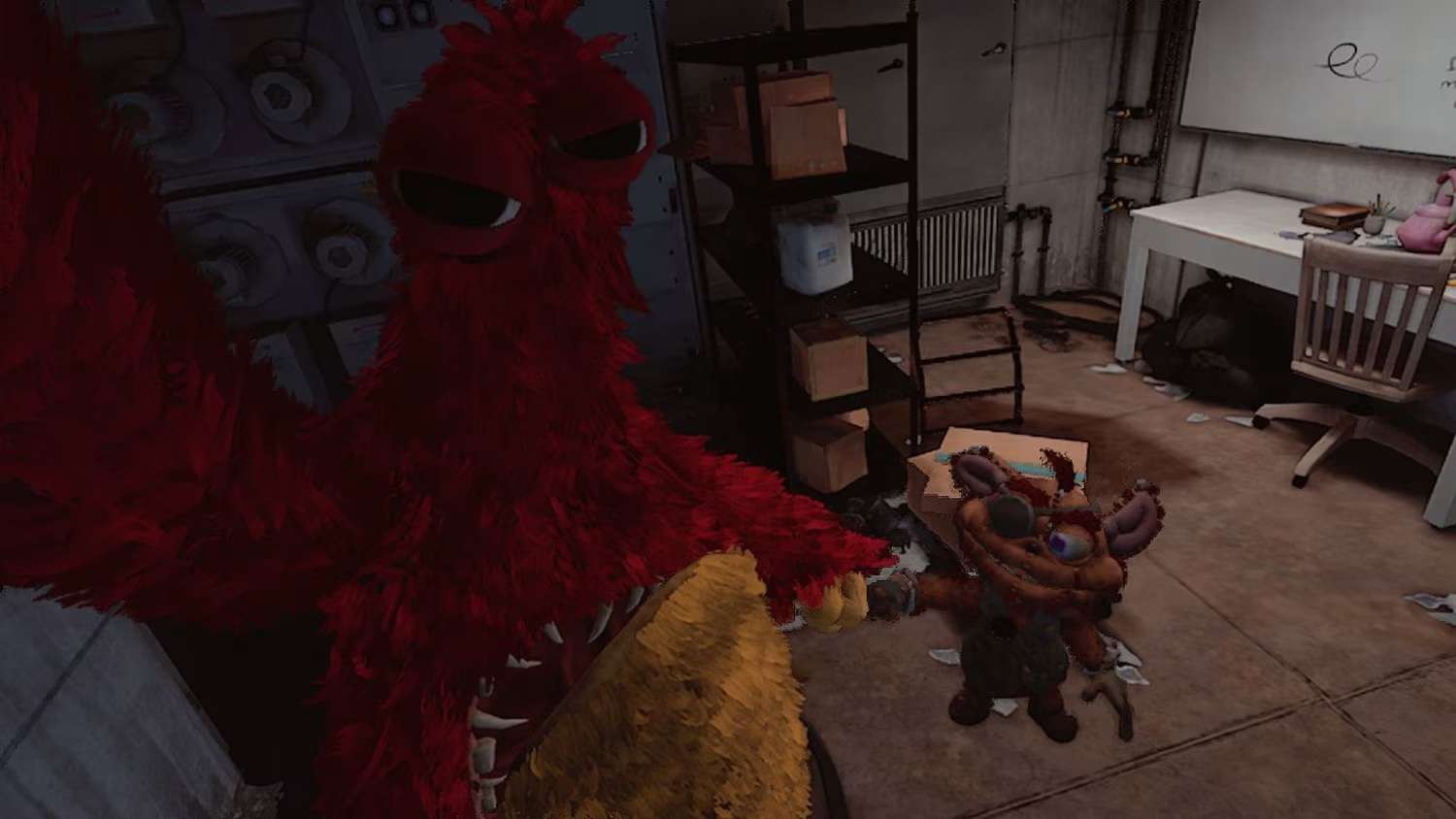
The environments are one of the game’s strongest aspects, with the abandoned toy factory providing an excellent setting for a tense and unsettling atmosphere. The music also does a good job of keeping players on edge throughout the experience. However, some questionable design decisions often undermine these strengths, leading to moments of genuine frustration.
While the game is not particularly long, there is also very little replay value. Hidden collectibles can be found throughout each area, but they mainly exist for players interested in learning more about the world and uncovering additional lore. Since the gameplay itself does not offer many incentives to revisit completed sections, I doubt many players will be eager to endure the more frustrating encounters a second time.
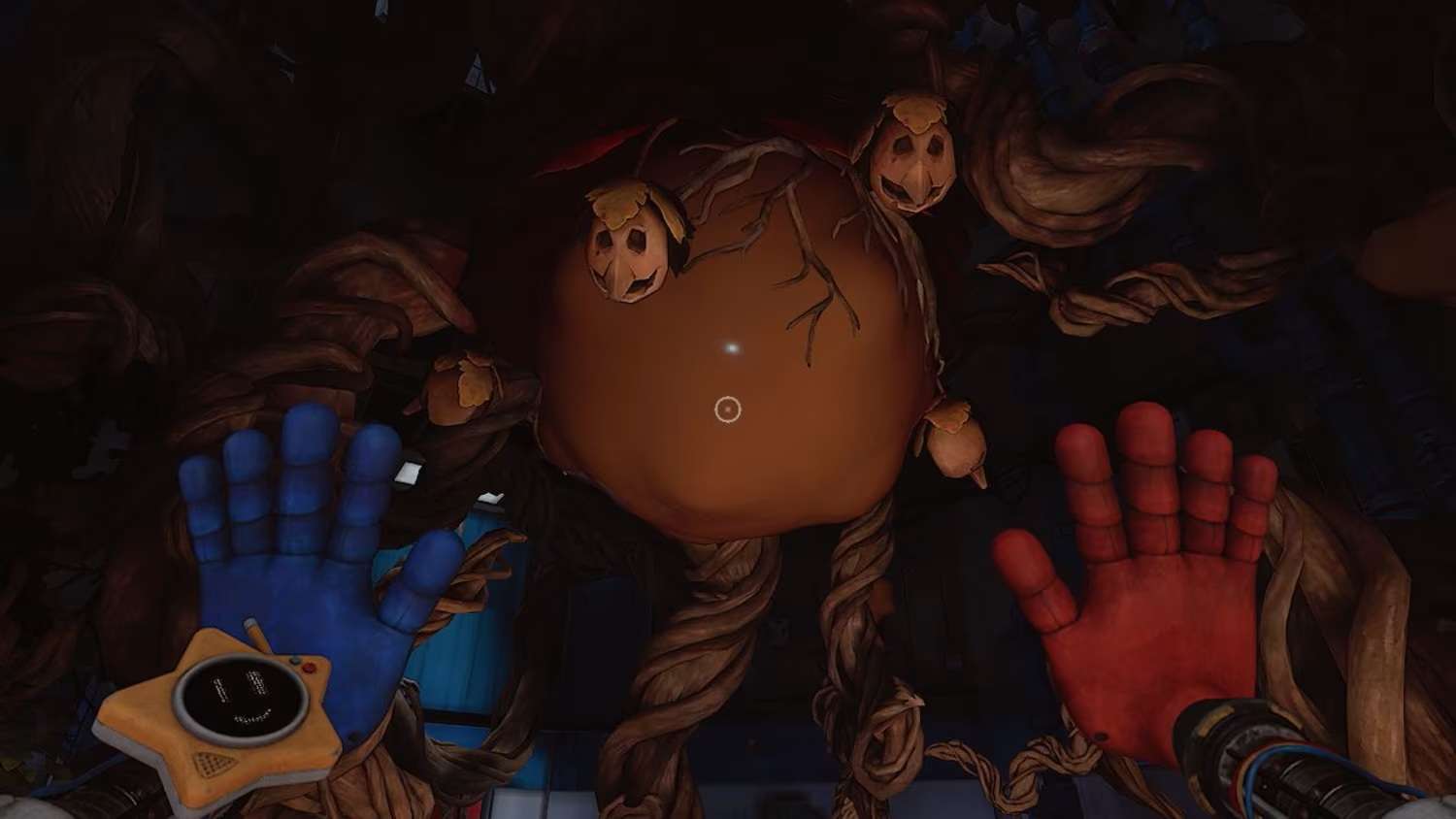
The Nintendo Switch version of Poppy Playtime Chapter 5 is decent, though it is noticeably less impressive visually than its PC and console counterparts. There is also no native Switch 2 version, which feels somewhat unusual. I played most of the game on a Switch 2, but the controls can occasionally be a struggle, especially when certain puzzles glitch out. Much of the game’s atmosphere relies on its lighting and art direction, and I feel that both are somewhat diminished on Switch, reducing the overall impact of the experience. The game can also crash from time to time, although it was not a major issue during my playthrough.
Poppy Playtime Chapter 5 Game Information
- Price: $19.99
- Publisher: Mob Entertainment
- Developer: Mob Entertainment
- Platform: Switch 2 (Reviewed)
- Disclaimer: A review code was given by the publisher