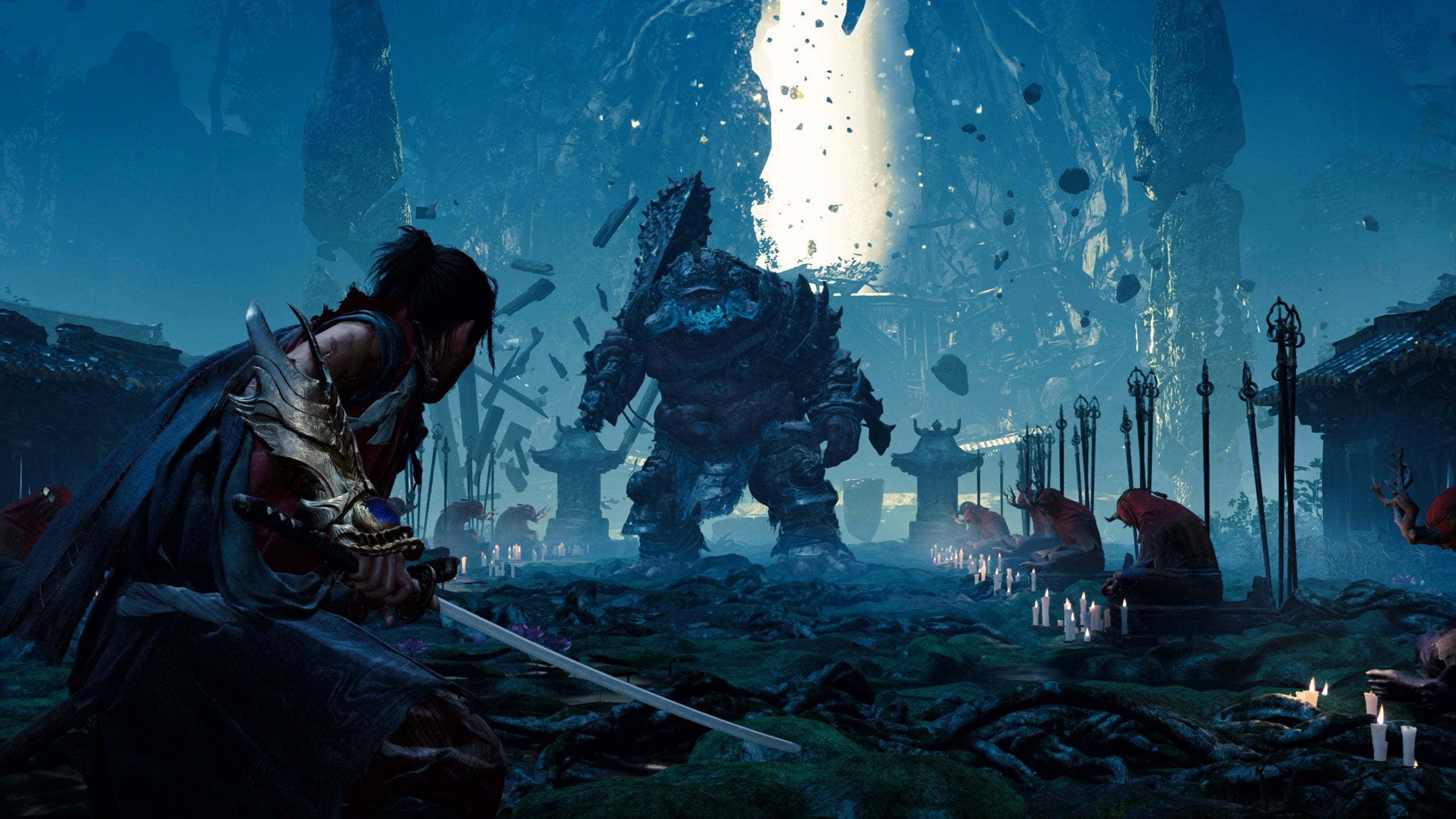
Digital Foundry’s technical analysis of Onimusha: Way of the Sword has revealed some interesting differences between the PlayStation 5, Xbox Series X, PS5 Pro and Nintendo Switch 2 versions. While Capcom’s RE Engine game takes a relatively conservative approach technically, the different versions maintain generally clean image quality and stable performance, with the Switch 2 release making the largest compromises.
On PS5 and Xbox Series X, players can choose between quality and performance modes. Quality mode generally operates close to native 4K, while performance mode makes greater use of dynamic resolution scaling to target 60 FPS. Digital Foundry found both modes capable of maintaining their respective 30 FPS and 60 FPS targets well, while an uncapped option is available when using a 120 Hz display.
The PS5 Pro version is technically the strongest console release, although it takes an unusual approach to resolution. Its internal resolution can reportedly fall as low as 1296p, which is lower than the resolution used by the base consoles. However, Sony’s PSSR upscaling technology reconstructs the image to a higher quality, resulting in what Digital Foundry considers the best image quality among the console versions.
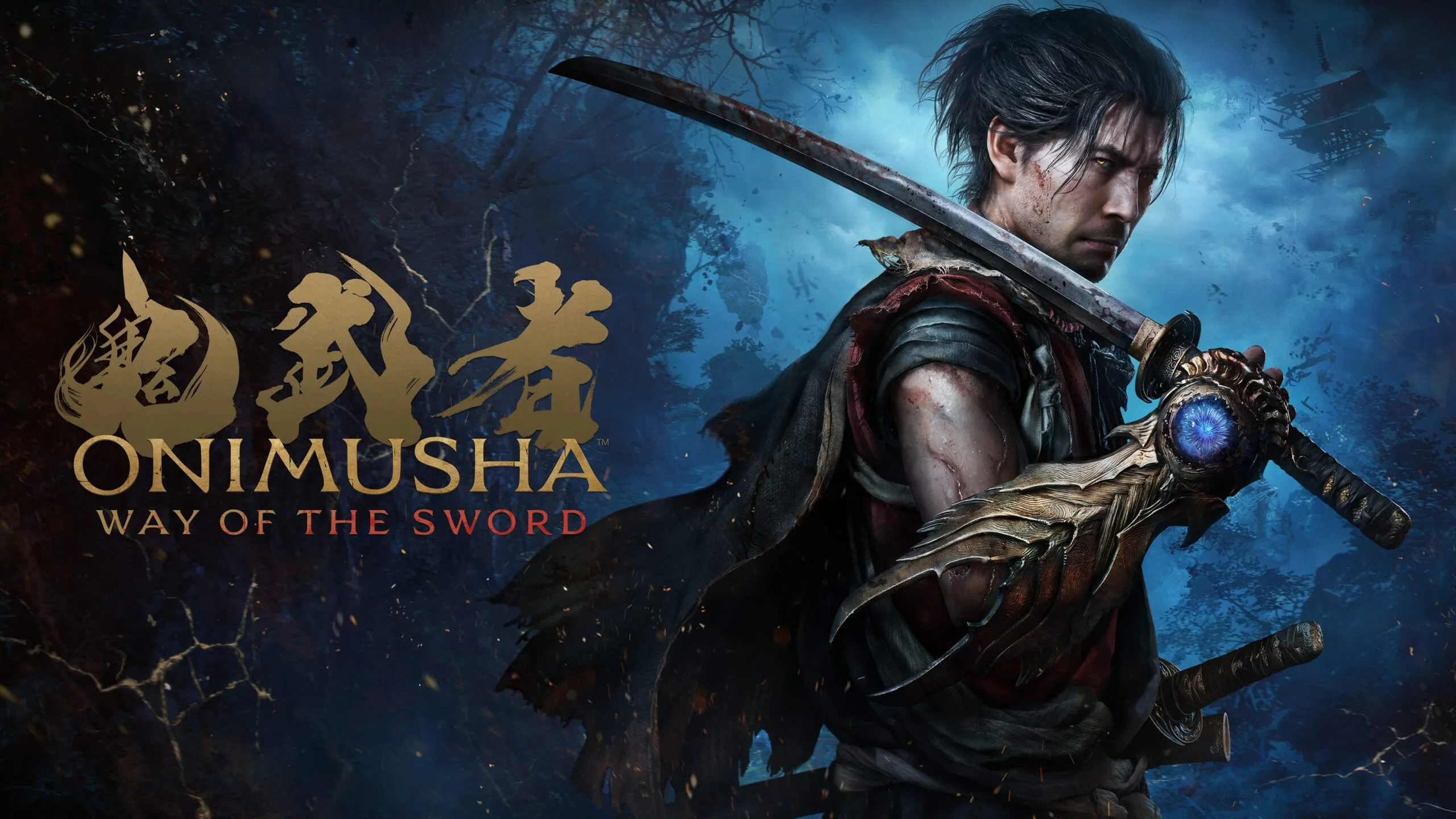
PS5 Pro also supports ray tracing, as does the PC version. On Sony’s upgraded console, the feature reportedly has essentially no performance penalty.
Switch 2 Makes Larger Visual Compromises
The Nintendo Switch 2 version makes more substantial technical compromises. In docked mode, the resolution can reach 1080p but can fall to 720p or slightly below, while portable mode can reach up to 900p. Digital Foundry also suspects that the game uses DLSS on Nintendo’s hardware.
Despite the lower resolutions, the reconstruction remains relatively clean and temporally stable. The image is softer than on the other console versions, while visual settings have also been reduced.
Hair rendering is particularly affected, producing a noisier and more pixelated appearance on Switch 2. Overall image quality and contrast are also reduced, although Digital Foundry found that the Switch 2 version can remain surprisingly close to the higher-end releases in several comparisons.
Performance represents the biggest difference between the Switch 2 version and the other consoles. Capcom provides an optional 30 FPS cap, which delivers proper frame pacing and strong stability.
Without the cap, performance fluctuates between 30 and 60 FPS. This is more manageable in portable mode where VRR can help smooth the experience, but the uncapped presentation is considerably less convincing when playing docked.
Overall, Digital Foundry’s analysis indicates that the PS5 Pro delivers the strongest image quality, while PS5 and Xbox Series X provide high-quality 4K-class visuals alongside stable performance. The Switch 2 version sacrifices resolution, visual effects and consistent 60 FPS performance, but still scales the game down surprisingly well for portable hardware.