The Splinter Cell remake is allegedly in a “super fragile state” of development, though its release is expected between the second and fourth quarter of 2027.
Ubisoft insider and dataminer AgaiinTx took to Twitter/X to share that the upcoming Splinter Cell remake is currently targeting a release window between Q2 and Q4 of 2027, although the project is reportedly in a “super fragile state” at the moment. Built on the Snowdrop Engine, the game engine used to develop The Division 2, Avatar: Frontiers of Pandora, and Star Wars Outlaws, the remake is said to retain a fully linear structure while modernizing many of the series’ signature stealth mechanics.
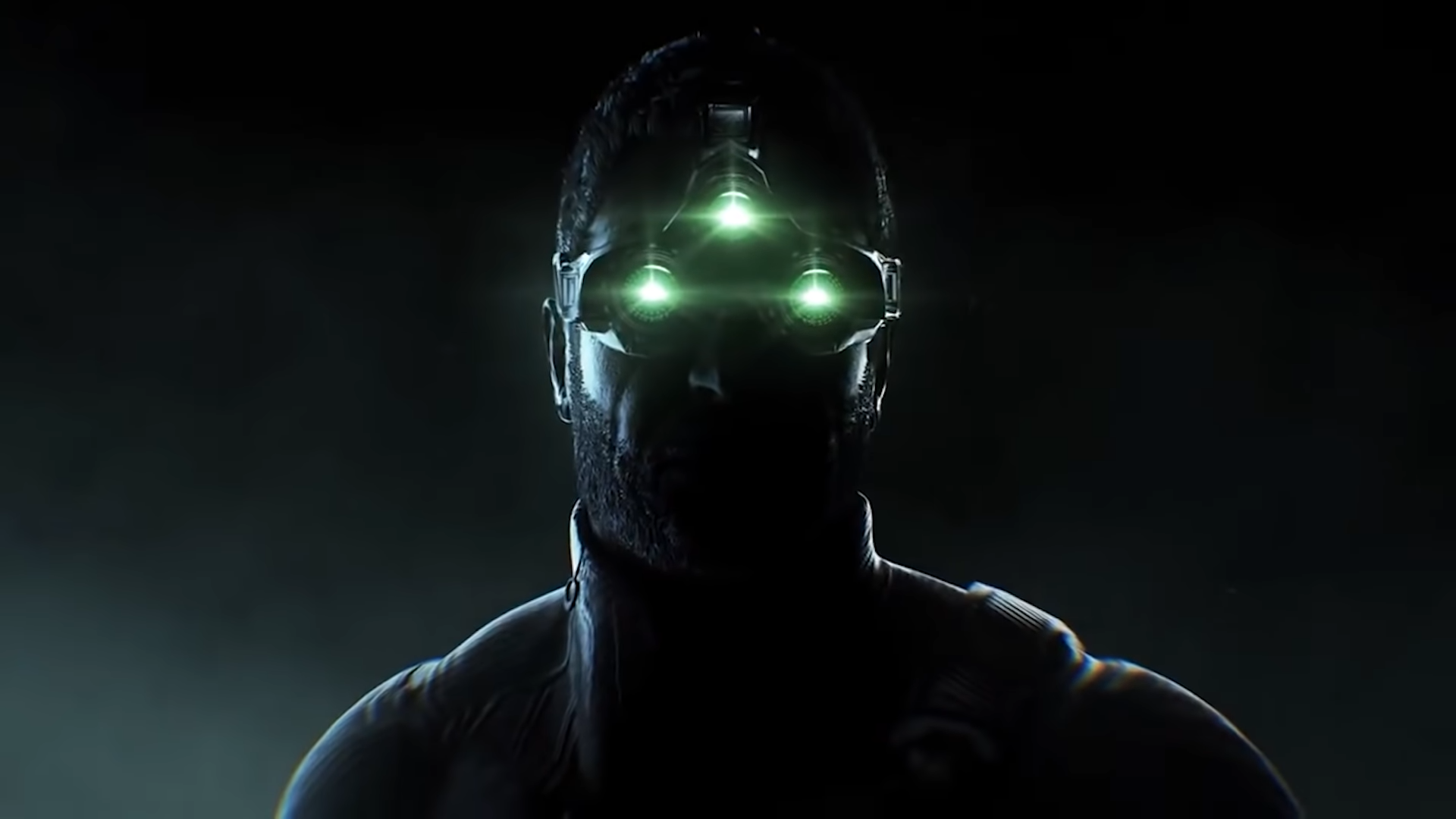
According to the leaker, Ubisoft is expanding player choice with enhanced non-lethal options, alongside a revamped stealth system featuring dynamic lighting and a real-time light/dark visibility meter. Classic gadgets such as sticky cameras and gas grenades are expected to return, while manual alarm systems and destructible environments hint at more emergent gameplay opportunities. Traversal is also receiving new additions, with pipe slides and zip lines allegedly allowing protagonist Sam Fisher to make his way through levels more fluidly than ever before, all while preserving the focused, mission-based structure of the original games.
Several years ago, in November, 2022, on the occasion of the series’ 20th anniversary, developers working on the Splinter Cell remake sat down to discuss the lighting, visuals, player agency, and other aspects from earlier games that made them a success. According to them, the remake isn’t simply a visual facelift, but it goes well above what’s usually seen in remasters. It is being built from the ground up with brand new high quality assets, and the studio is doing all the content from scratch. The studio has been exploring new and innovative technology and gameplay related ideas for the remake. The AI is said to have received a considerable overhaul, allowing enemies to behave differently based on their skill and rank. The remake will also support modern graphical features, including ray-tracing for global illumination and audio occlusion.