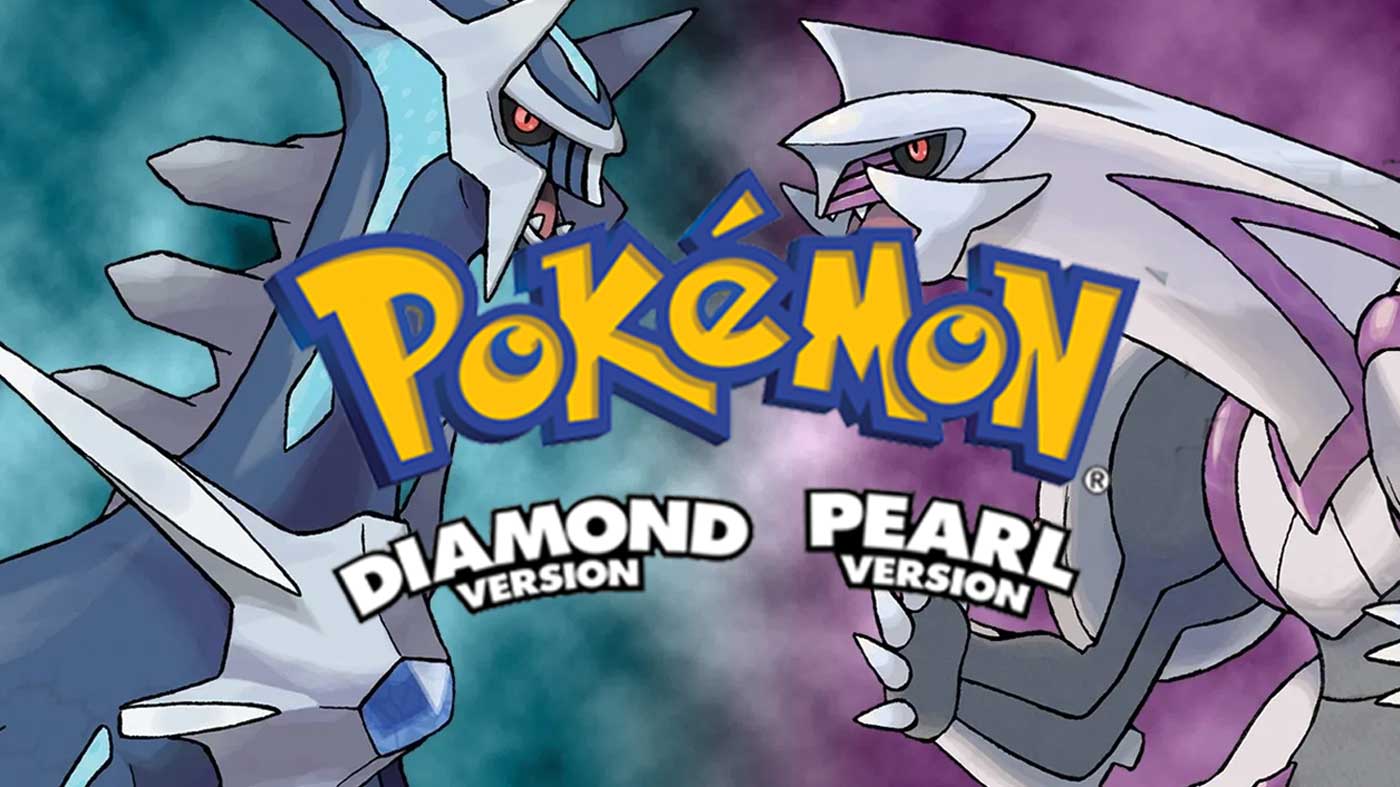
A lost documentary for Pokemon Diamond & Pearl has revealed more than 100 unseen Pokemon character designs.
Content creator Lewtwo has revealed that a previously lost Game Freak documentary chronicling the development of Pokemon Diamond & Pearl has been preserved and made available online, offering fans an unprecedented look behind the scenes of the Nintendo DS titles.

The documentary was originally completed shortly after Pokemon Diamond & Pearl were released in 2006 and was believed lost until a copy appeared on a Japanese auction site earlier this year. Collector Neos later tracked down a second copy, allowing a small team of archivists led by Lewtwo to preserve the footage, upload the documentary to YouTube, and prepare a disc image for archival purposes. The content creator clarified that the material was legally purchased rather than obtained through a leak or data breach.
The documentary is divided into 6 chapters and follows Game Freak’s creative journey from early concept work to the finished game. It features interviews with key developers, discussions about the mythology that inspired the Sinnoh region, and a detailed production timeline showing how development began in January 2004. The footage also reveals prototype maps, early 3D field tests, and experimental versions of Jubilife City and other Sinnoh locations.

The documentary footage contains more than 100 Pokemon designs that never made it into the final games, alongside numerous early revisions of familiar Pokemon. Fans can see alternate concepts for Arceus, the Sinnoh starters, Dialga, Palkia, and many other species. It also showcases entirely scrapped creatures, including unused starter candidates, regional bird concepts, pre-evolutions and evolutions for existing Pokemon, and original monster families that were ultimately abandoned during development.
The content creator explained that because much of the documentary wasn’t captured at a high resolution, several pieces of artwork were only visible for a single frame or partially obscured by papers. He spent countless hours examining footage frame-by-frame, adjusting contrast and piecing together artwork from multiple camera angles to make the designs as legible as possible for fans and researchers alike.