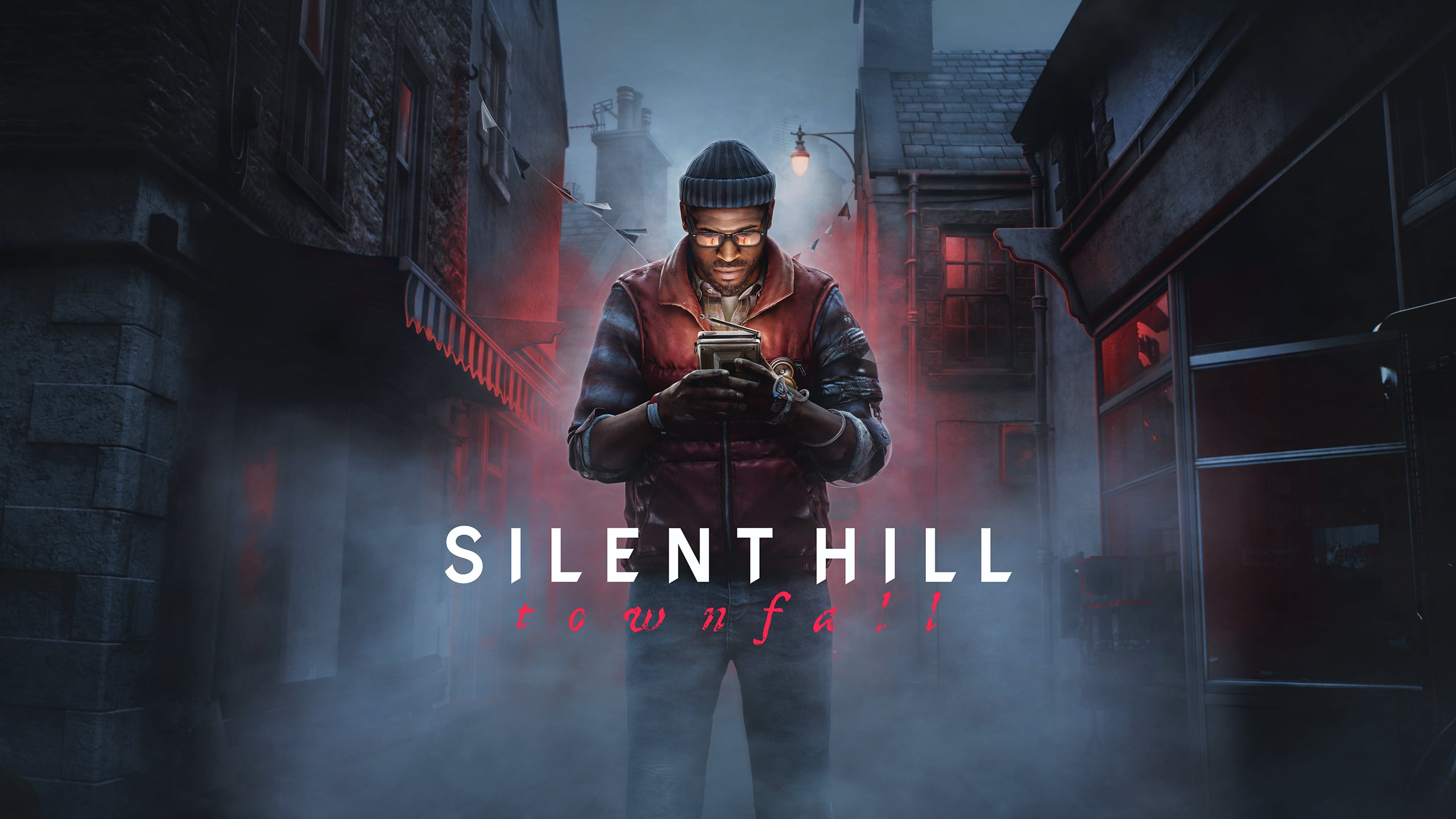
Konami stepped away from the Silent Hill series for a long time, and when it did return to the franchise, it initially relied on Western developers for several projects. Those games struggled to reach the same level of popularity as the earlier entries, but Silent Hill 2 changed that. Bloober Team’s remake was both a commercial and critical success, while Silent Hill f took the series in another direction with Taiwanese developer NeoBards Entertainment. Now, Silent Hill: Townfall represents another new approach, this time from No Code.
Unlike Silent Hill 2 and Silent Hill f, which use a third-person perspective and put more emphasis on action, Townfall is entirely played from a first-person perspective. The game focuses much more heavily on psychological horror, storytelling, and environmental design, with survival and avoiding enemies taking priority over combat.
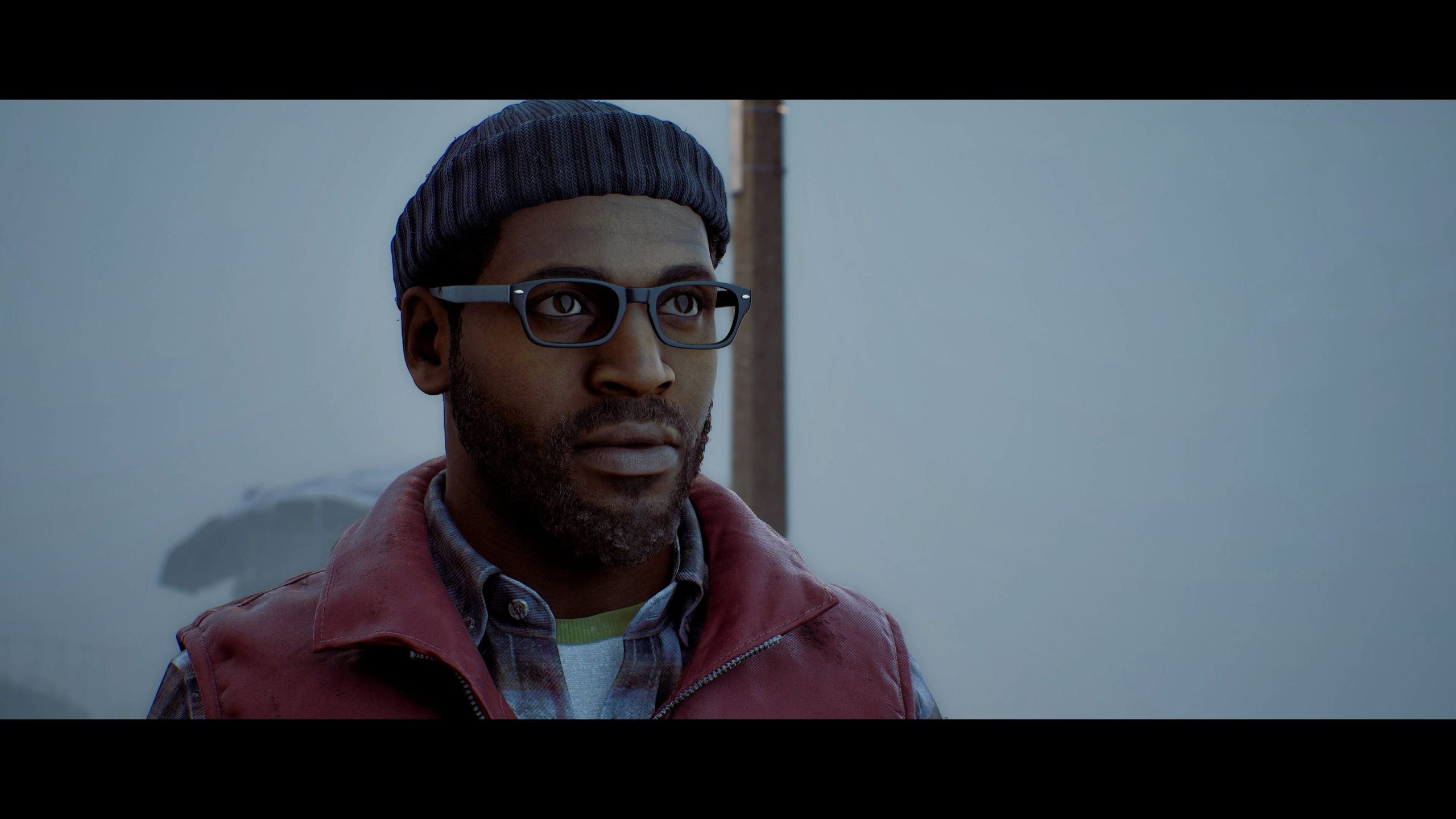
The story follows Simon Ordell, who arrives in St. Amelia, an isolated Scottish fishing town surrounded by the familiar Silent Hill fog. Simon has little idea of what happened to him or why he is there, with a medical bracelet carrying his name and other details serving as one of the few clues to his identity. The town initially feels almost completely deserted, but its layout and appearance gradually change as Simon explores, while the narrative slowly reveals more about his past and what brought him there.
Simon is not the only playable character. As the story progresses, Zoe and Richard are introduced, and both have their own playable sections with some gameplay differences from Simon’s. Zoe is a nurse, while Richard is a more self-centred character whose personality creates a different dynamic within the narrative. Their stories eventually connect with Simon’s, gradually explaining why all three characters are connected to St. Amelia and what is happening there.
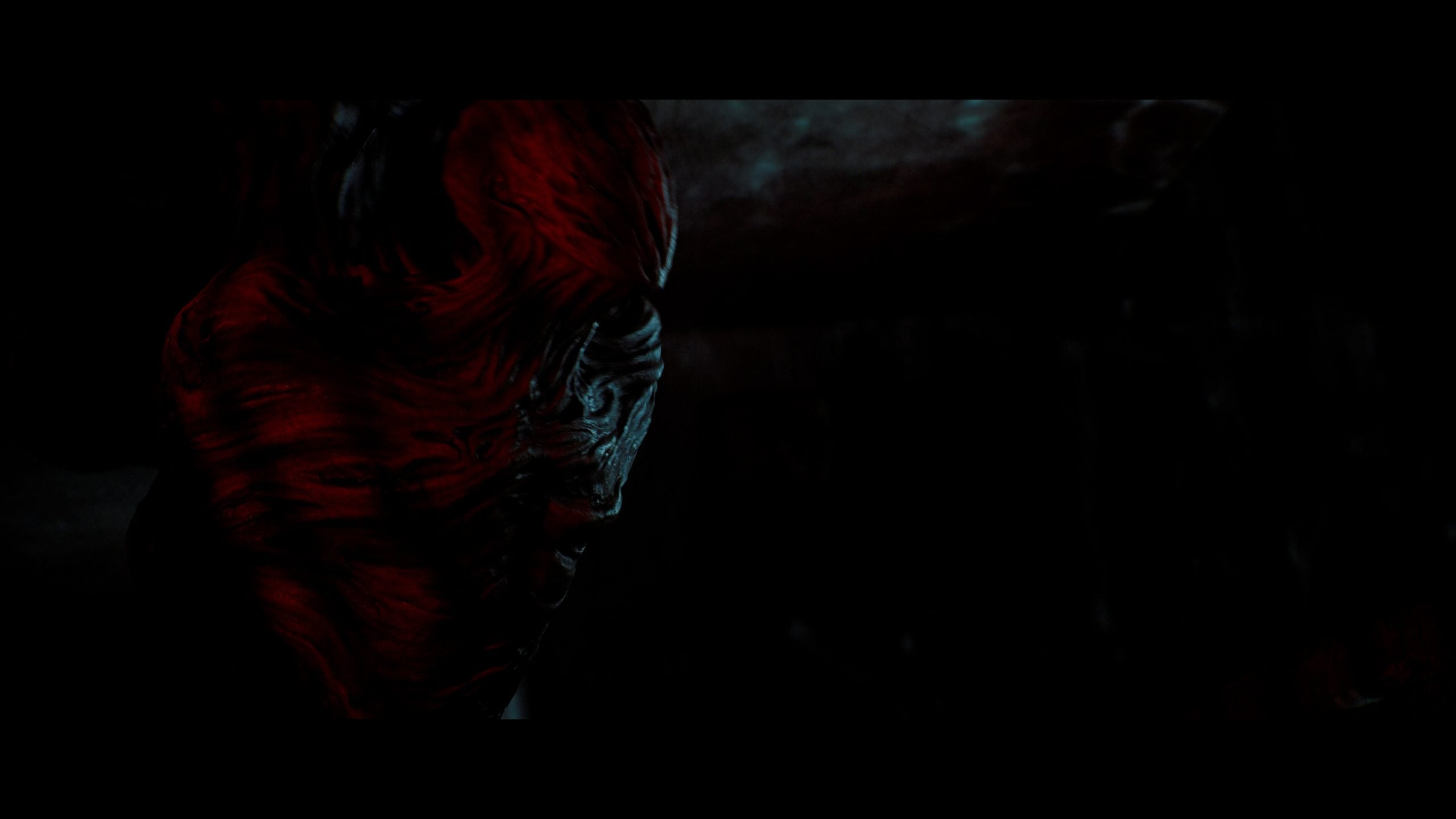
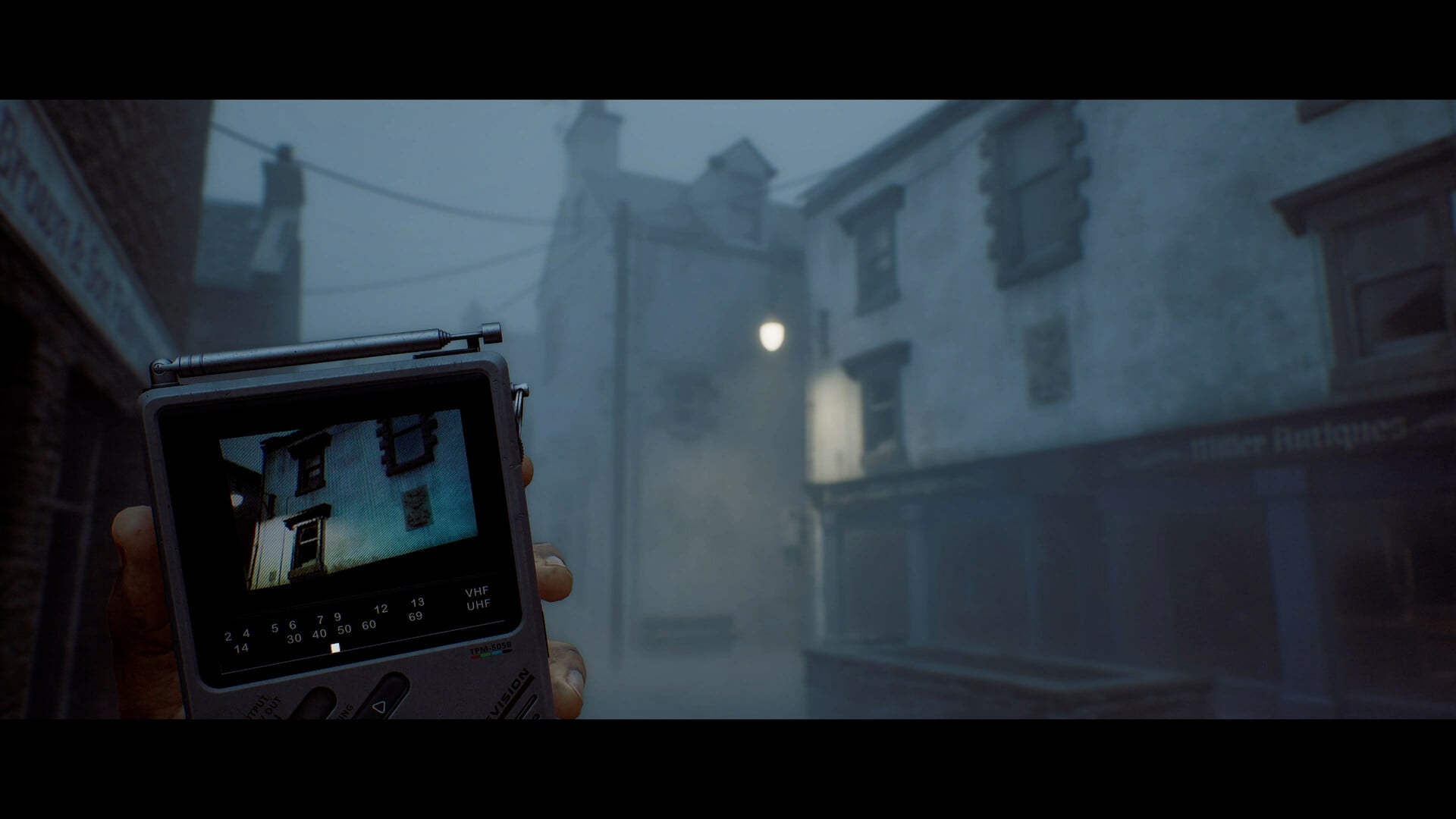
Exploration is a major part of Townfall, but this is also where some of my biggest frustrations came from. I wanted to examine every room and corner of the environments, but enemy encounters often forced me to stop and focus on avoiding them instead. The game gives Simon a handheld CRT device that can be tuned to different frequencies. It acts somewhat like a portable television and radio, providing information, revealing clues for puzzles, and allowing Simon to locate enemies. It becomes one of the game’s most useful tools, particularly when trying to work out where an enemy is before moving through an area.
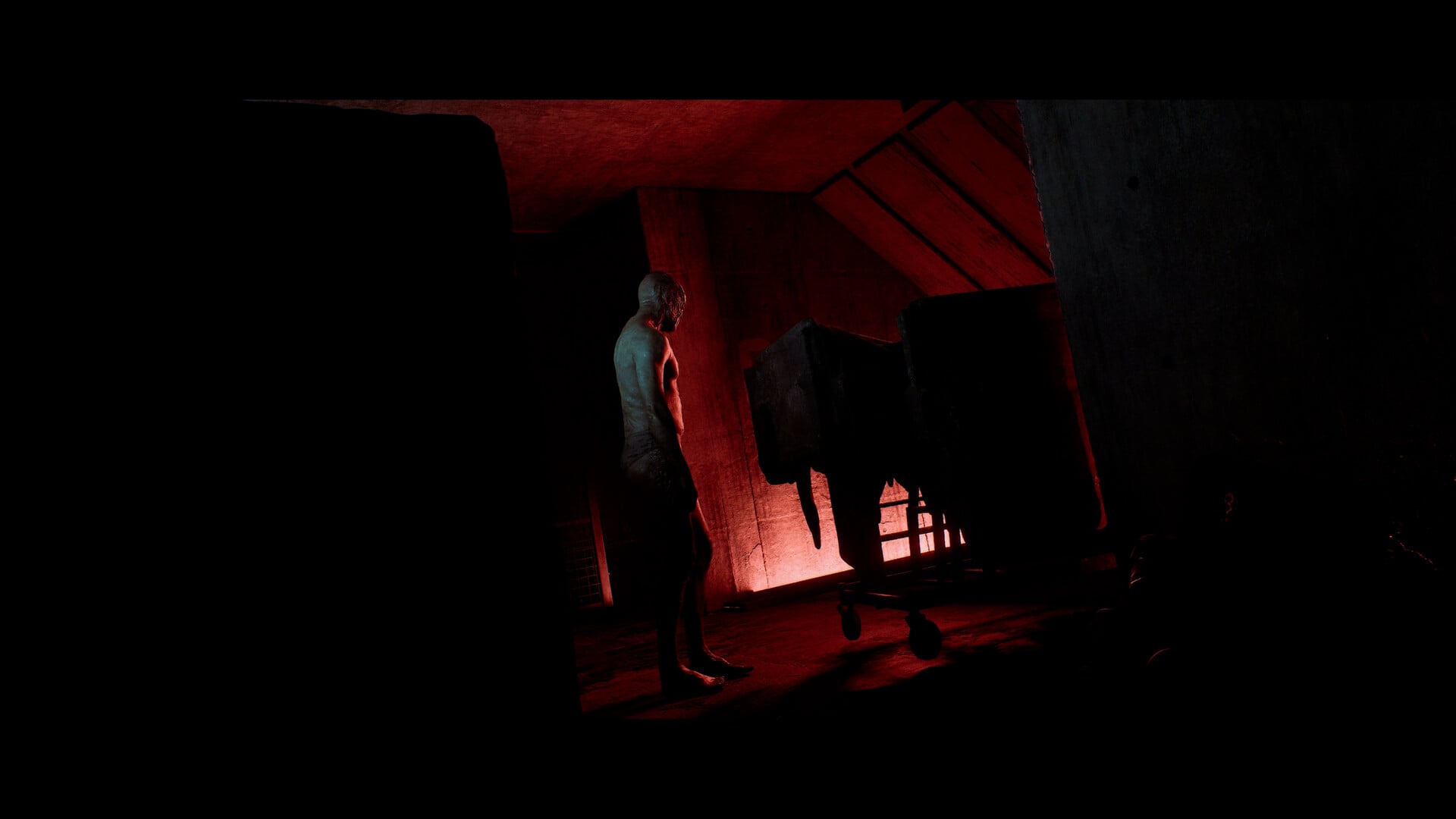
Combat is intentionally limited in Townfall. Simon can block enemy attacks and briefly push enemies back, while weapons such as pipes, pistols, and shotguns are available. However, ammunition is scarce, so fighting is rarely the best option. There is also no dodge mechanic, which makes encounters feel more restrictive than they need to be. Some enemies cannot be killed at all, forcing Simon to rely on stealth and escape instead. These encounters can be particularly frustrating because Simon can be killed very quickly if an enemy catches him, and the forced stealth can interrupt exploration. Doors can be closed and sometimes locked to create distance, but I often found myself having to stop exploring and change my approach simply because an enemy was nearby.
The puzzles are generally well integrated into the environments, and players can choose separate difficulty settings for them. I kept the hints enabled during my playthrough, as they provided useful guidance when I became stuck without completely removing the need to figure things out myself. Players who prefer solving everything independently can increase the puzzle difficulty and play without much assistance.
The visuals are one of the most impressive features of Townfall. The environments have a distinctive look, and the overall presentation creates the unsettling atmosphere that the series is known for. On PC, there are plenty of graphics options and support for upscaling, although frame generation is not available.
Performance was the biggest technical issue I encountered. I tested the game on two different systems, including a laptop with an RTX 4070 and a desktop with an RTX 5070 Ti, yet still experienced noticeable performance problems. There is no traditional shader compilation process at launch, and I encountered shader-related stuttering during gameplay. I cannot say for certain whether the lack of shader compilation is responsible, but performance was inconsistent even on capable hardware. Outside of these issues, the PC version offers a good range of settings and is technically well presented.
A full playthrough can take around 10 to 15 hours depending on how much time is spent exploring, solving puzzles, and avoiding enemies. That feels reasonable for the asking price and the type of experience Townfall is offering.
Silent Hill: Townfall is a clear departure from the more action-focused direction of the recent games. Its first-person perspective, emphasis on psychological horror, and unusual approach to exploration give it an identity of its own. The story kept me interested, and the atmosphere and visual presentation are among its strongest qualities. At the same time, forced stealth, frustrating enemy encounters, limited combat, and inconsistent PC performance prevent it from being a completely smooth experience. Still, for anyone looking for a different kind of Silent Hill game, Townfall offers a distinct experience that is worth checking out.
Silent Hill Townfall Game Information
- Price: $49.99
- Publisher: Konami / Annapurna Interactive
- Developer: Screen Burn / No Code
- Platform: PC (Reviewed)
- Disclaimer: A review code was provided by the publisher