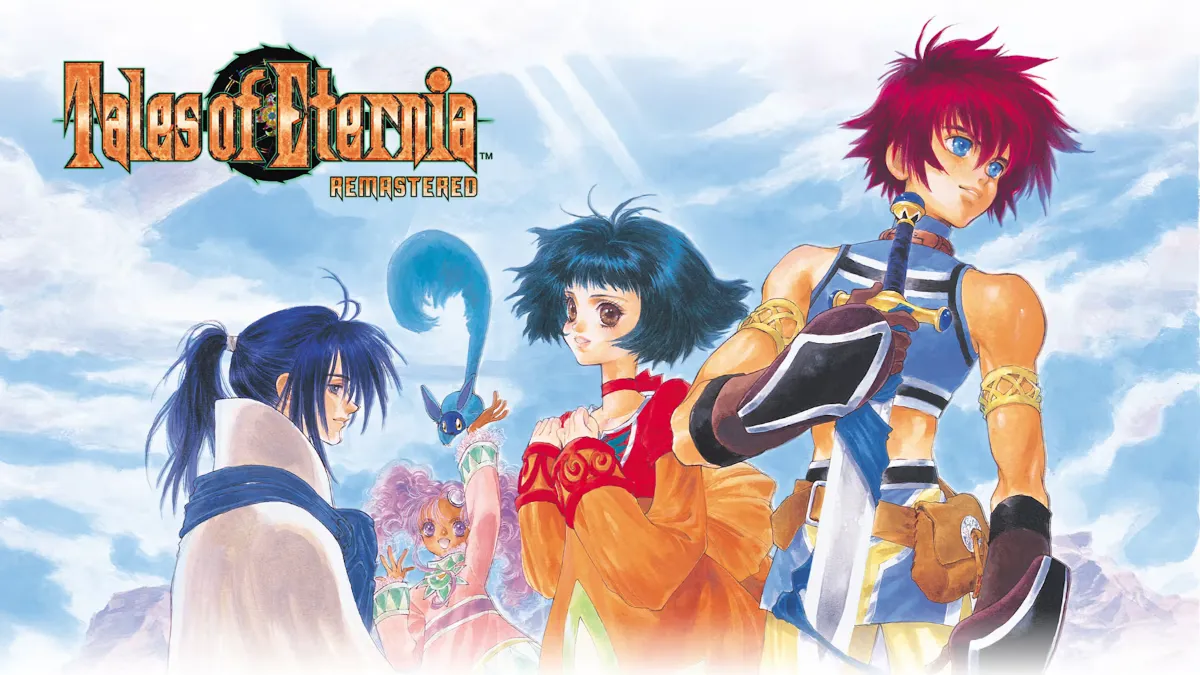
Bandai Namco has been keeping the Tales series in circulation through a steady stream of remasters, with new mainline entries becoming increasingly rare. Tales of Eternia Remastered is the latest release to revisit an older entry, bringing minor visual improvements, quality-of-life features, restored content, and additional voice acting. It is a fairly modest update rather than a substantial overhaul, but the underlying game remains enjoyable, particularly for someone returning to it after playing the original on PSP.
There is some confusion surrounding the game’s name and localisation history. Tales of Eternia originally launched on PS1 in Japan, and its North American release was titled Tales of Destiny II. This is separate from Tales of Destiny 2, which was released in Japan and never received an official localisation. I first played Tales of Eternia on PSP, where I completed the game and enjoyed it quite a bit. At the time, it felt like a relatively new experience for me, and I had a great time with it.
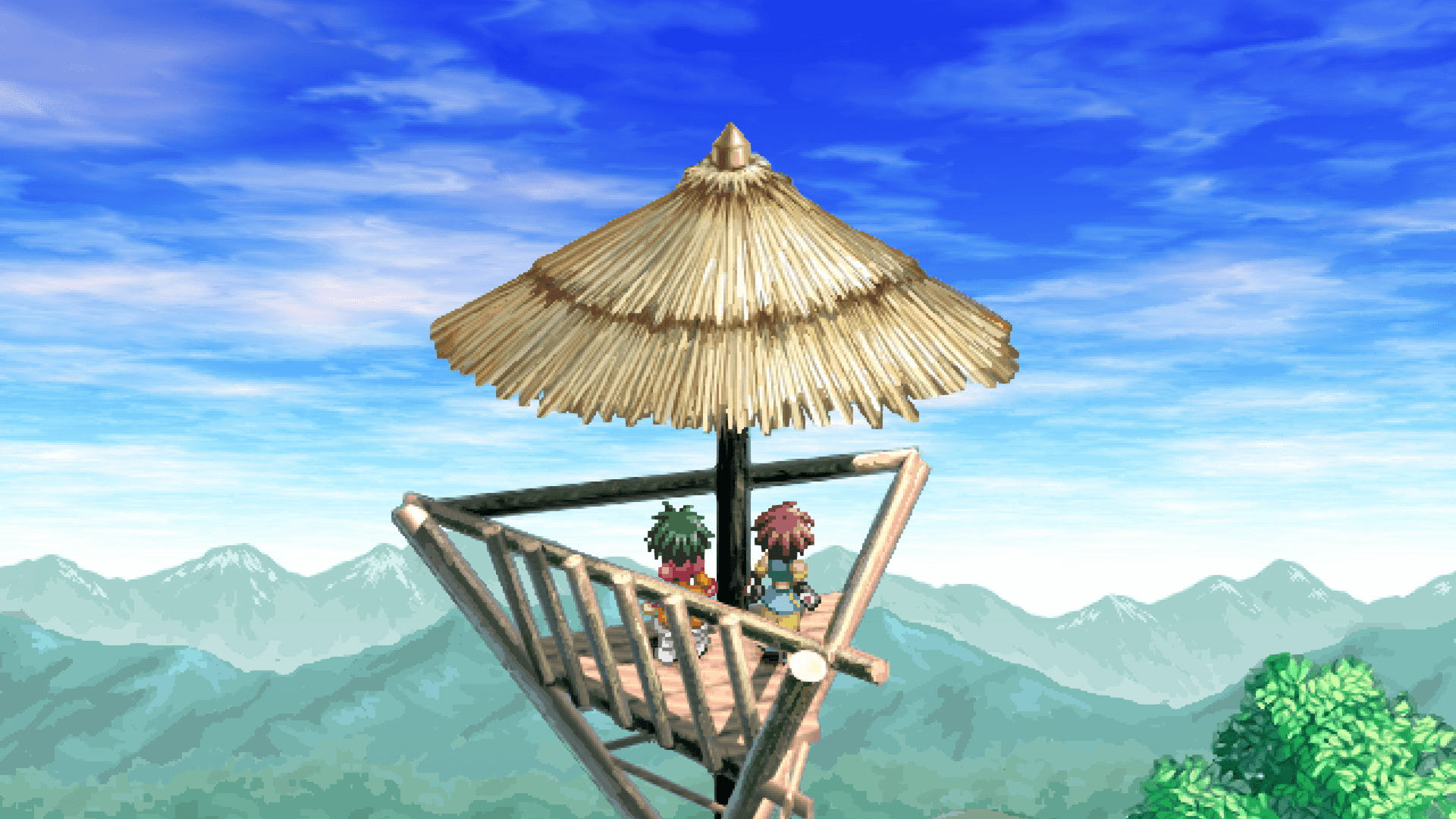
The remaster is not particularly demanding. I played it on PC and Steam Deck, and also tested it on Nintendo Switch 2. The game runs at up to 60 FPS on all three, since it is capped at 60 FPS on every platform. Overall, performance is solid across these platforms, and there are no major hardware requirements to worry about.
One of the remaster’s more useful features is the option to switch between the original and remastered graphics. There is a separate toggle for the sound effects as well, allowing players to choose between the original and updated versions. The original graphics have held up reasonably well, and I did not have any major issues with them while playing on Steam Deck. The game combines 3D environments with 2D character sprites, and the remastered mode applies smoothing to the visuals. Personally, I preferred the original graphics, particularly when playing on a portable screen. The animated movie cutscenes have not been upscaled particularly well, either, and they do not look especially good on larger displays. The visual differences are relatively minor, which makes the remaster label feel a little generous.
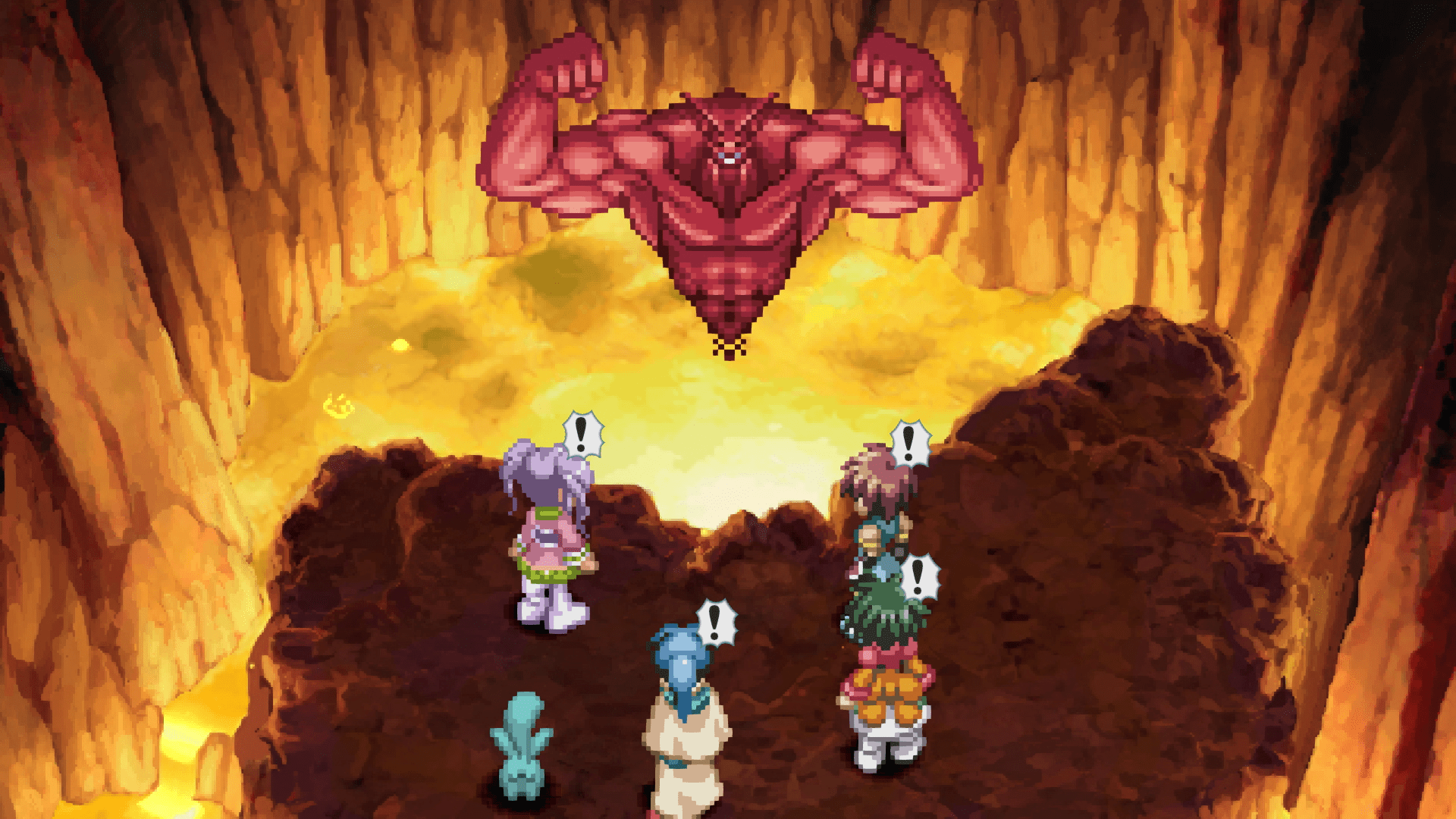
The story revolves around two worlds, Celestia and Inferia. Celestia is technologically advanced, while Inferia relies more on magic and has a more traditional way of life. The story begins when the main characters, Reid and Farah, witness a ship crash and discover a girl named Meredy inside. She speaks a strange language that neither of them understands. They eventually learn that she has come from Celestia to stop the Grand Fall, a threat capable of destroying both worlds. Since the people of Celestia and Inferia distrust each other, dealing with this danger becomes particularly risky. Reid, Farah, and Meredy set out to gather the elemental spirits known as Greater Craymels. The story starts with familiar RPG tropes, but gradually takes on a darker tone.
Combat follows the classic Tales formula, using real-time, action-based battles that take place on a single 2D plane, somewhat like a fighting game. We can attack, block, move left and right, and use special skills called artes. We directly control one character at a time, while the AI handles the other three party members. We can issue commands to them, switch between characters, and adjust the control settings if we want more direct control over battles.
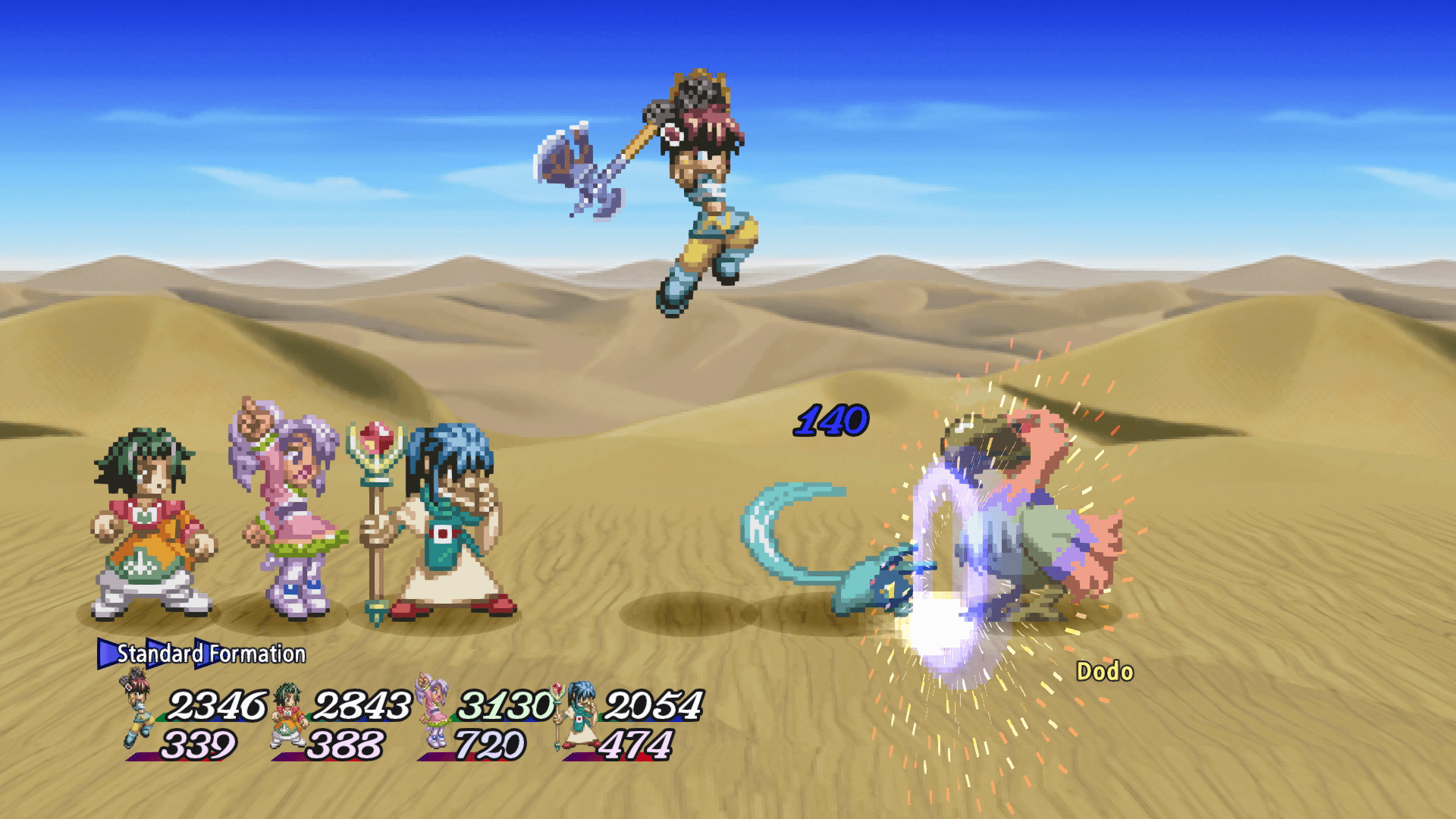
Artes are special skills that become more advanced as we use them. We can also combine them with normal attacks to create combos. I found the combat system fun, and it gradually opens up as the story progresses. Initially, we have basic attacks and defensive options, but more abilities become available as we advance.
There are several quality-of-life additions that make the experience more accessible. Yellow markers point towards main story objectives, while star icons indicate valuable items we might have missed. Hourglass icons mark time-limited events, and blue markers identify arte or skill events. We can also adjust settings such as damage, attack proficiency, cooking proficiency, and item drop rates. If we lose a battle, we can retry it. From the menu, we can also fully recover the party, and we can use high-speed automatic battles. Random encounters can be reduced or disabled, and additional options allow us to boost our characters and spend less time grinding. These features are particularly useful for newcomers who are unfamiliar with RPGs and mainly want to experience the story.

Cooking is another part of the experience. We can learn recipes by talking to people in towns. The remaster also includes a sound, music, and movie player, New Game Plus, and additional difficulty options. Extreme difficulty is available from the beginning, while another difficulty option unlocks after completing the game. Skits now have English voice acting, and most of the main story cutscenes are voiced as well, with the original Japanese voices included too. Some skits that were missing from the English version have also been restored.
Tales of Eternia Remastered is an enjoyable way to revisit a classic RPG, even if the remaster itself feels a little underwhelming. The visual improvements are minor, and the animated cutscenes have not held up particularly well, but the original graphics remain an option. The combat is fun, the story gradually develops a darker tone, and the extensive quality-of-life settings make it easy to tailor the experience to your preferences. At around $30, it offers reasonable value for a game that can take roughly 30 to 40 hours to complete. I enjoyed playing it again, and the ability to reduce grinding and random encounters made the return trip more convenient. It is a solid way to experience Tales of Eternia, though the limited visual improvements mean there is less here for those expecting a substantial remaster.
Game Information
- Game Title: Tales of Eternia Remastered
- Price: $29.99
- Publisher: Bandai Namco Entertainment
- Developer: TOSE Co., Ltd.
- Platform: Nintendo Switch 2/PC (Reviewed)
- Review Code: Provided by the publisher