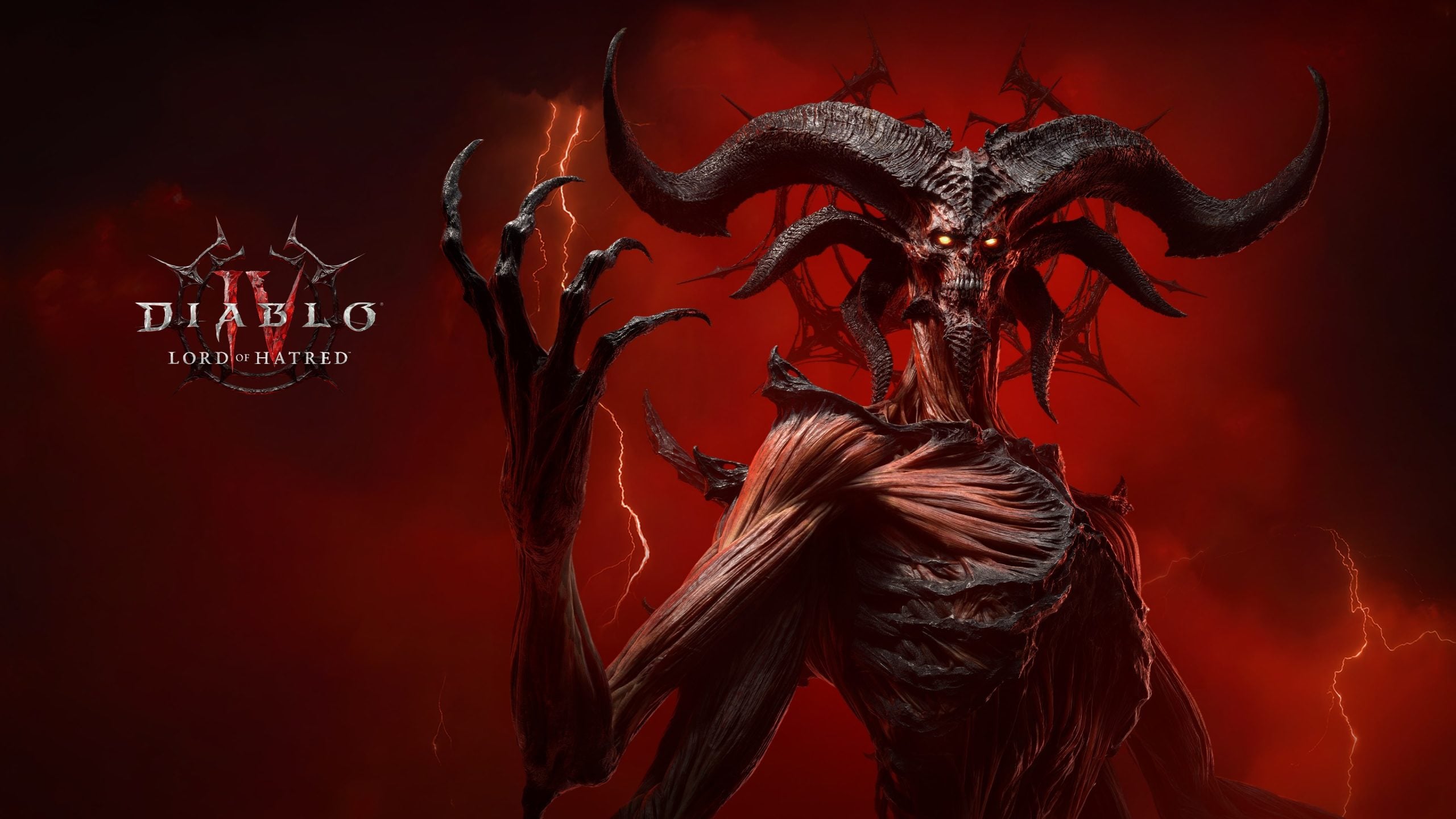
Blizzard’s second major expansion for Diablo IV arrives with the weight of expectations built off a mixed post-launch journey and a first expansion that ended up being divisive among fans. Lord of Hatred is poised as both a conclusion and a course correction. It succeeds in several ways, but not without carrying forward some of the series’ lingering issues.
Picking up directly after Vessel of Hatred, the expansion shifts the setting to Skovos Isles, a departure from the oppressive gloom that has traditionally defined the series. The focus of Lord of Hatred’s story is Mephisto, portrayed in a more insidious and manipulative form than usual. His presence carries the narrative, delivering a morally ambiguous arc that leans into the series’ recurring theme of blurring the line between salvation and corruption. The plot builds toward a satisfying climax, offering a sense of closure that prior storylines lacked.
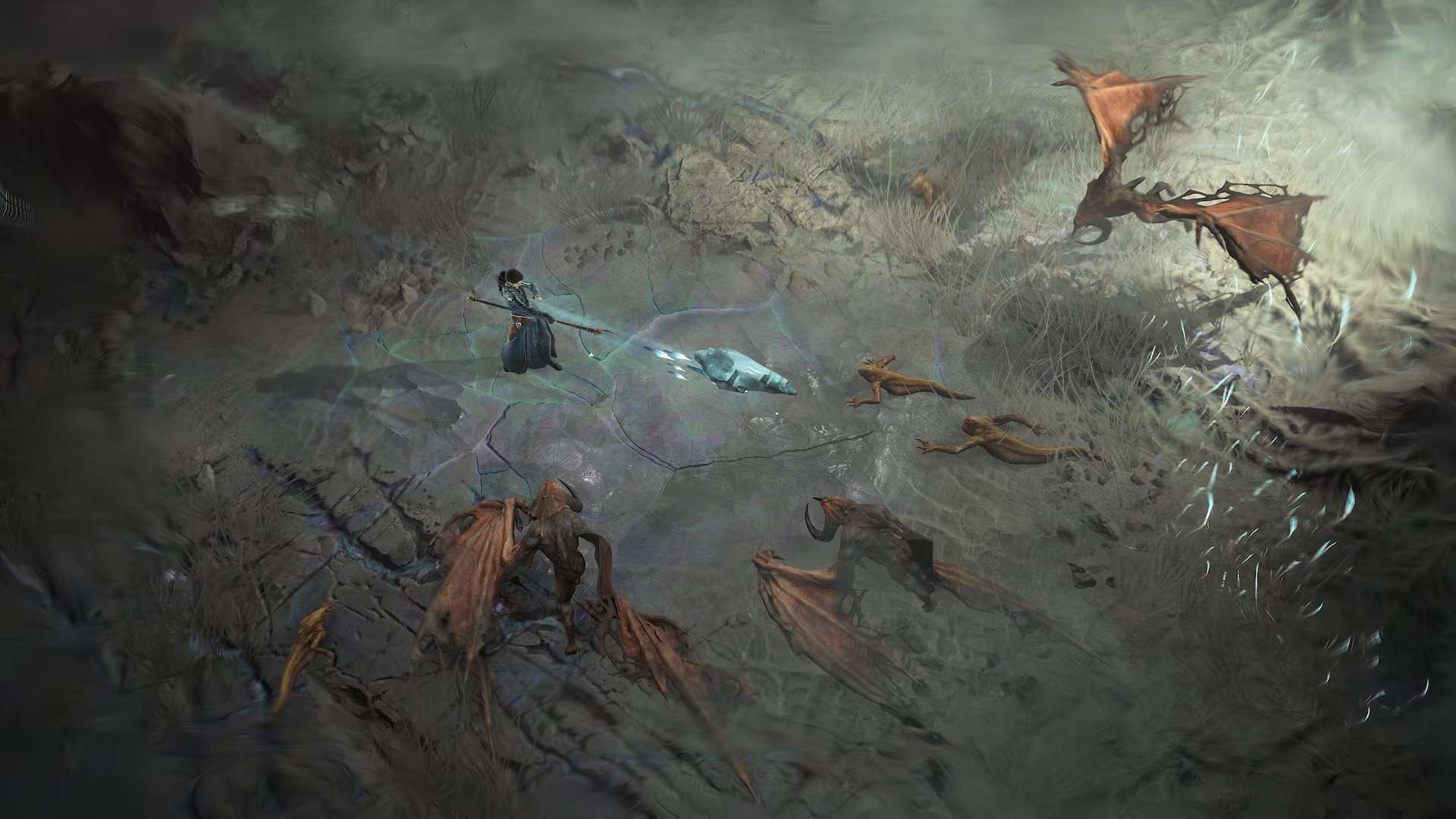
The journey there isn’t entirely smooth, however. Some character arcs feel underdeveloped, and the pacing stumbles in the latter half, where key moments arrive too quickly and feel less impactful. The campaign is also relatively short, and while its highlights, particularly major boss encounters and cinematic sequences, are worthwhile, it doesn’t consistently maintain that level of intensity throughout.
While reworked skill trees for existing classes are more iterative than transformative, the addition of the Paladin and the Warlock is easily one of Lord of Hatred’s biggest draws. The former delivers pure power fantasy. Built around defensive resilience and overwhelming offense, it can feel borderline overpowered. Its toolkit, ranging from damage-reflecting builds to near-invulnerability, makes it incredibly effective, sometimes to the detriment of overall balance.
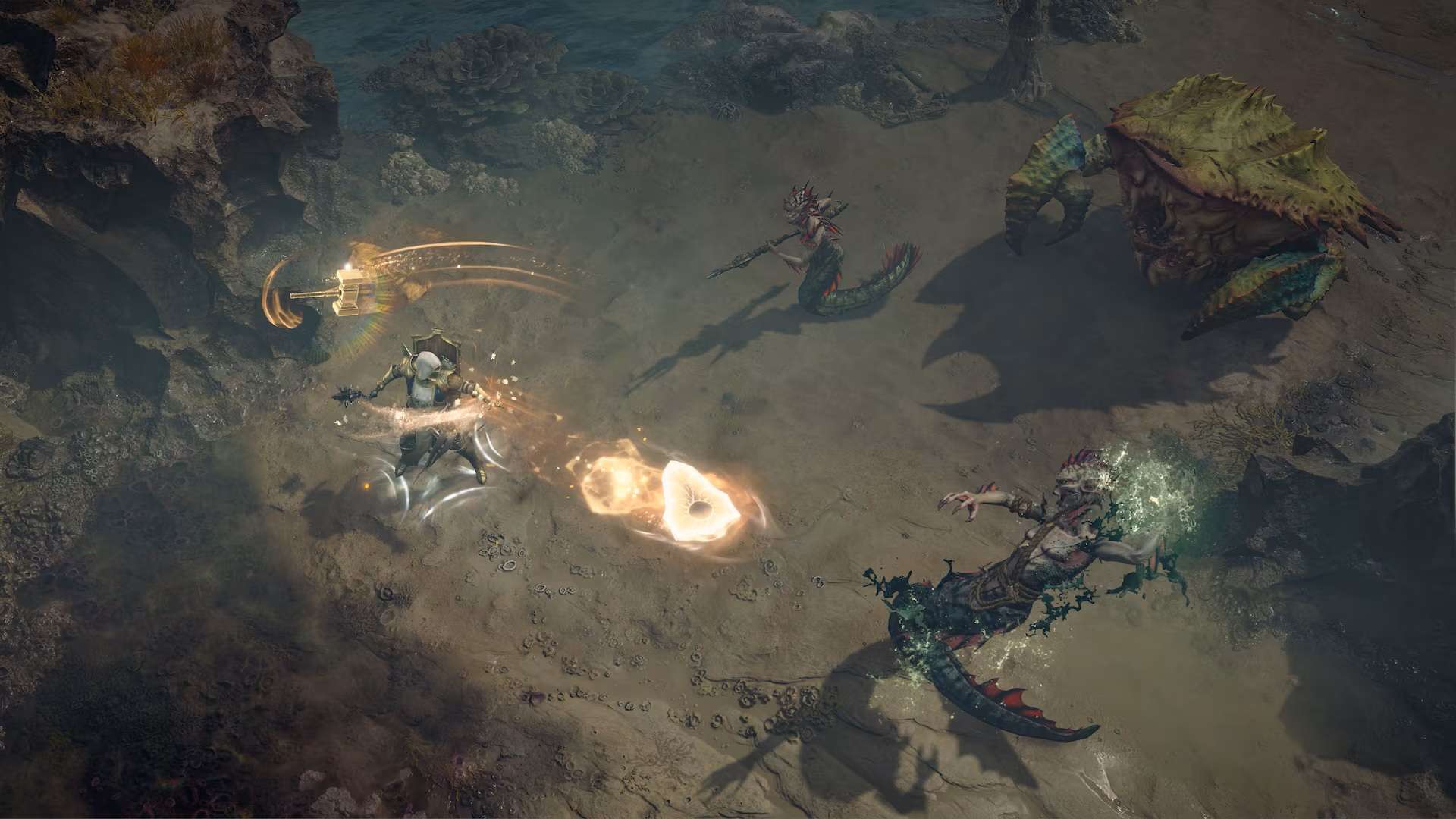
The Warlock, by contrast, is the more nuanced and creative addition. Combining elements of summoning and destructive magic, it introduces a dual-resource system that encourages careful management and experimentation. Its playstyles range from swarm-based chaos to controlled, high-damage casting, making it one of the most flexible and engaging classes.
Where Lord of Hatred excels is in its meaningfully improved systems. The introduction of Talismans adds a meaningful layer of customization, allowing players to build synergies through modular charm slots and set-like bonuses. This system integrates well with existing mechanics and provides new incentives for high-level loot hunting.
The return of the Horadric Cube further enhances build optimization, offering extensive crafting and modification options. However, its late introduction during the campaign can feel unnecessarily restrictive, limiting its usefulness for players focused on a single playthrough.
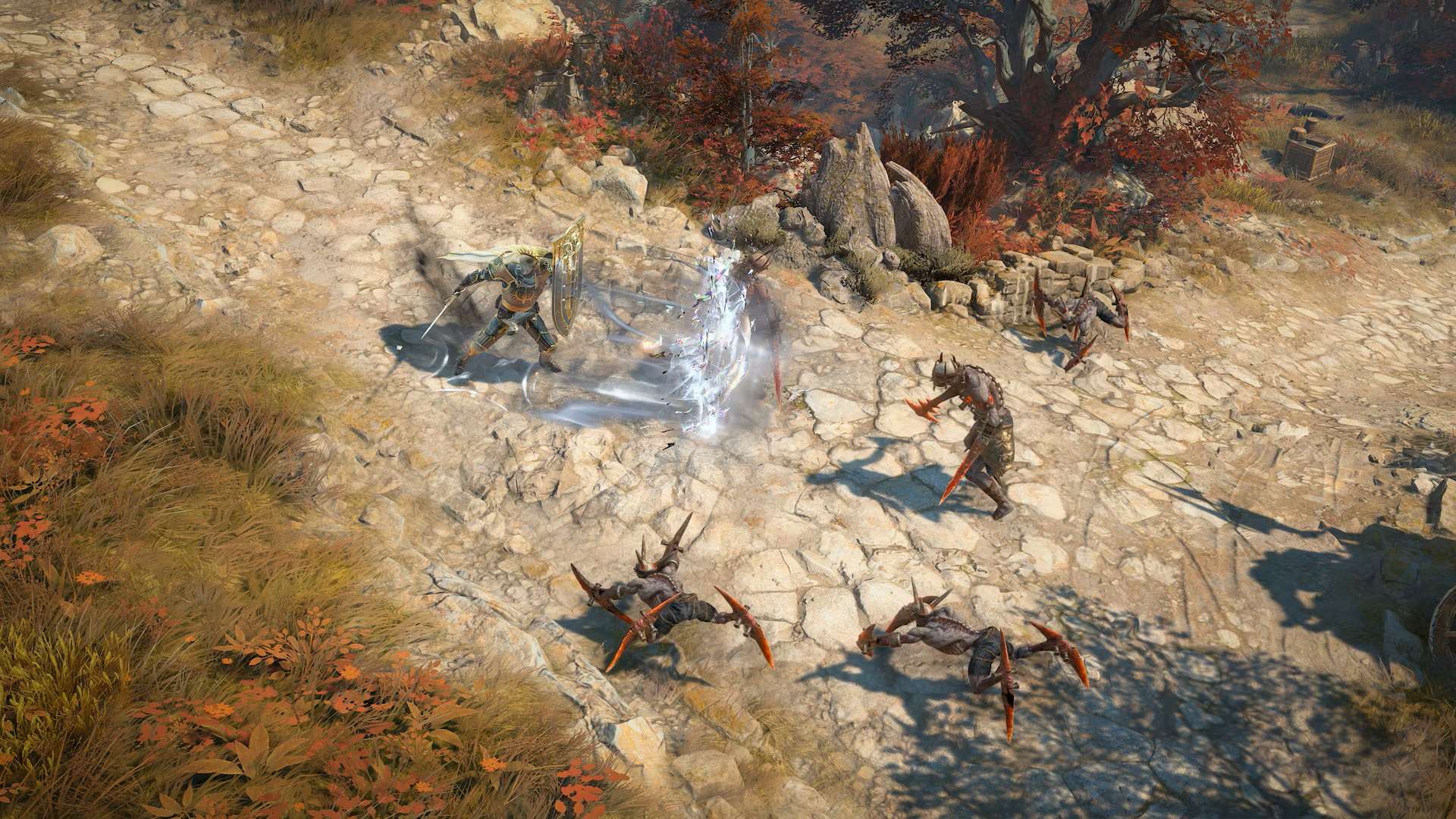
War Plans, the expansion’s primary endgame addition, is another highlight. By allowing players to tailor activities like Nightmare Dungeons and Helltides, it gives structure and purpose to the endgame grind. While it doesn’t reinvent the formula, it does make it more engaging and directed.
Despite these additions, the endgame remains a point of contention. There’s more to do, and systems like War Plans provide better guidance and reward structures. However, the core loop remains largely unchanged. Activities like The Pit and Infernal Hordes are still central, with new content often feeling like extensions rather than entirely new experiences. The new Echoing Hatred mode shows promise as a challenging, wave-based activity, though it is held back by its extremely limited availability. There’s even a fishing minigame that serves as an amusing diversion at best.
While new systems add depth, the game still leans heavily into excessive loot drops, requiring frequent inventory management. The addition of a loot filter helps, but doesn’t fully resolve the issue. There’s still a sense that the game could benefit from a more curated approach to rewards.
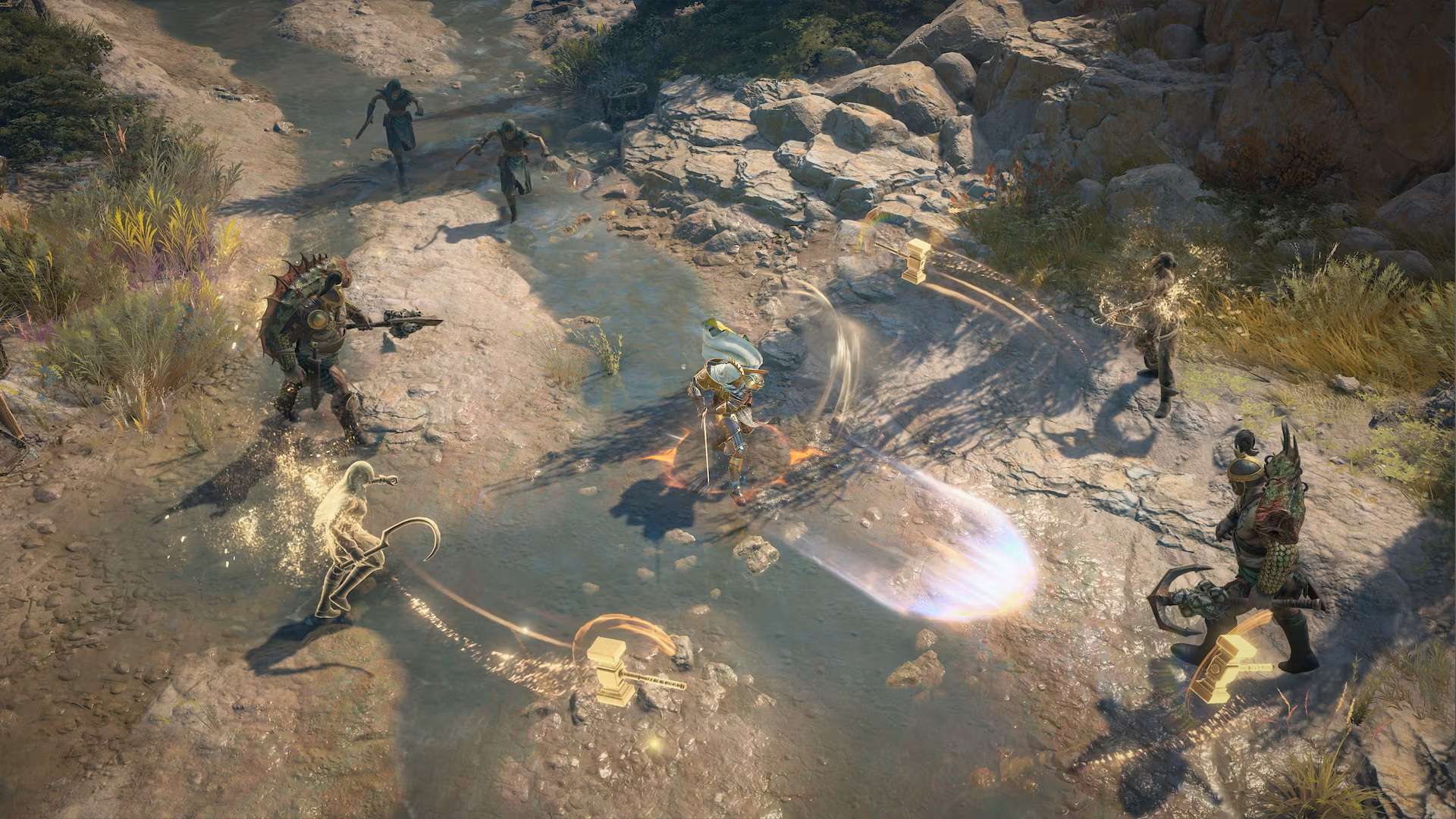
Additionally, the balance between player power and challenge feels uneven. With expanded customization and stronger builds, difficulty doesn’t always scale appropriately, reducing the sense of danger the series is known for.
Blizzard’s hallmark cinematic quality remains intact in Lord of Hatred. Cutscenes are visually impressive, and the overall presentation continues to stand among the best in the genre. The Mediterranean-inspired Skovos Isles region is visually distinct, blending bright coastlines with gradually encroaching darkness. It’s a bold artistic pivot that works more often than it doesn’t, even if it occasionally softens the series’ signature gothic tone. Voice acting, especially from returning characters like Lorath, brings a serious tone to the narrative.
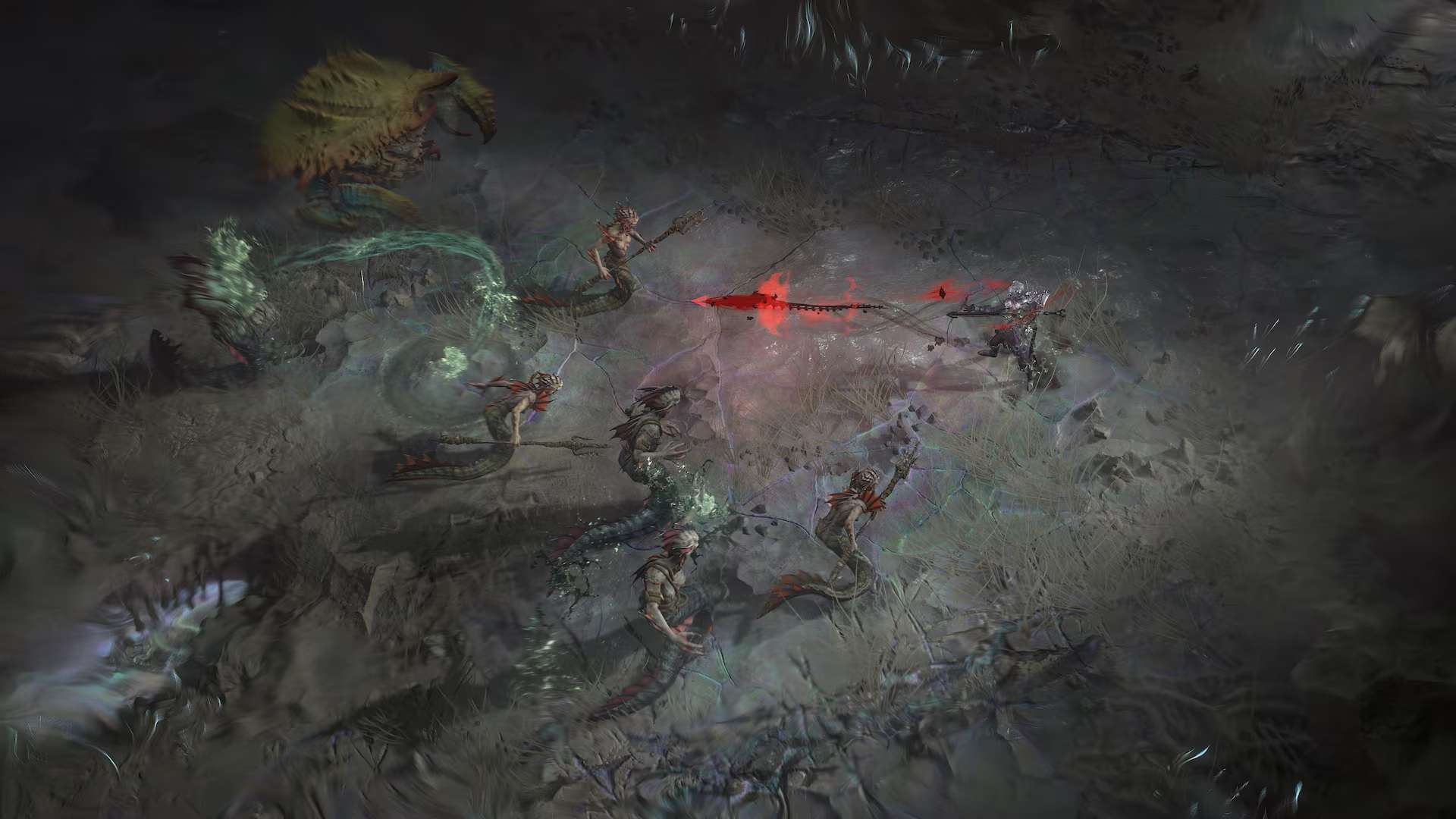
Much like the base game and prior expansion, Lord of Hatred performs smoothly on the PS5. Frame rates are stable during most encounters, and load times remain quick. However, some occasional dips in performance are noticeable during more demanding endgame activities, particularly in dense combat scenarios. The PS5 Pro fares better during such instances.
Diablo IV: Lord of Hatred delivers a compelling narrative conclusion, meaningful system improvements, and two standout classes that reinvigorate gameplay. At the same time, it stops short of fully addressing long-standing issues, particularly in endgame variety and itemization. It’s recommended for those already committed to the grind. For everyone else, its value depends on how much more of the game’s core loop they’re willing to embrace.
Diablo IV: Lord of Hatred Game Information
- Price: $39.99
- Publisher: Blizzard Entertainment
- Developer: Blizzard Entertainment
- Platform: PS5 (Reviewed)
- Disclaimer: A review code was given by the publisher