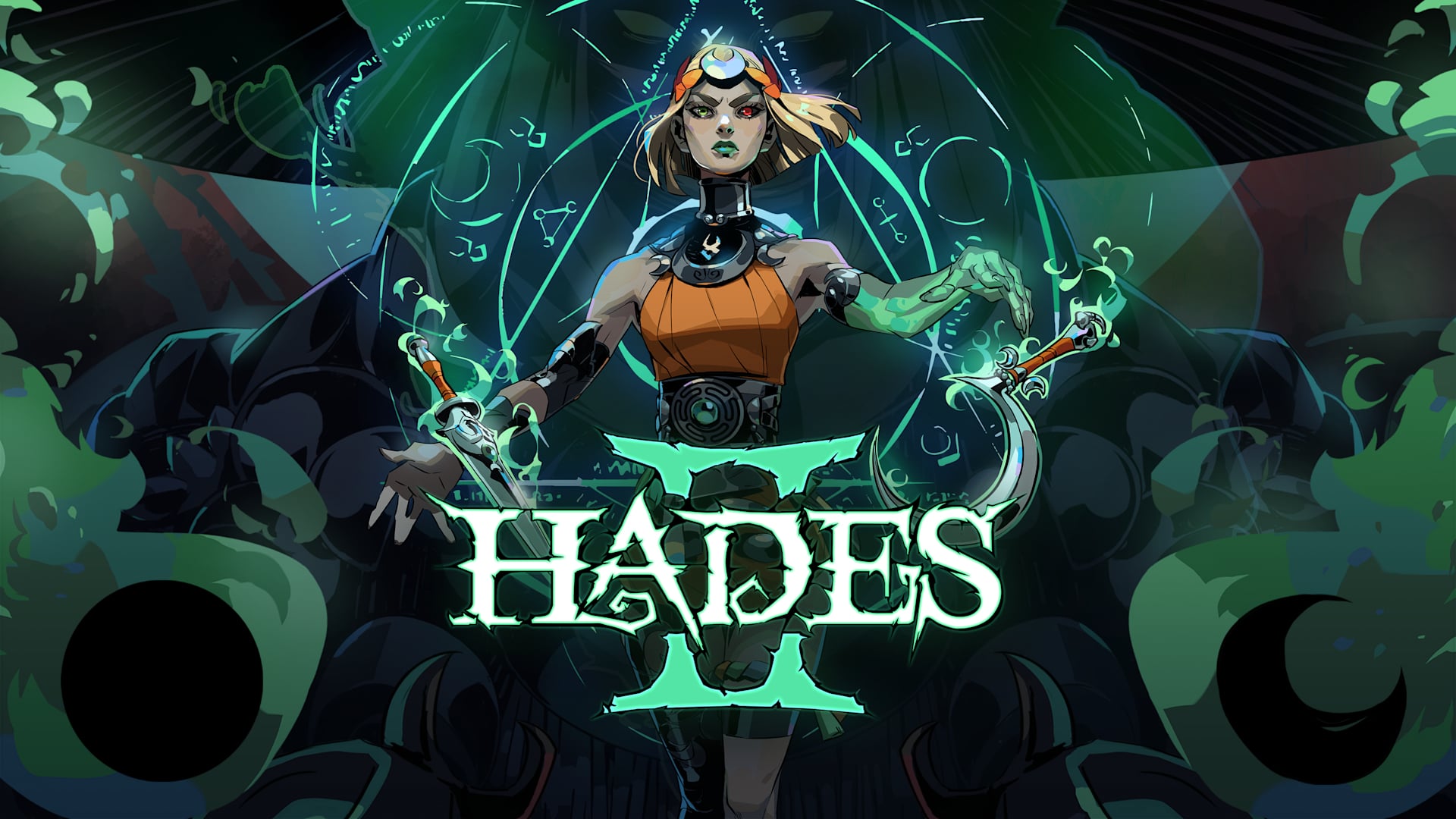
Supergiant Games returns to the Underworld with Hades II, a sequel that carries immense expectations after the success of the original roguelike game. Rather than reinventing the formula, it builds on a proven foundation while establishing its own identity through new systems and a different protagonist.
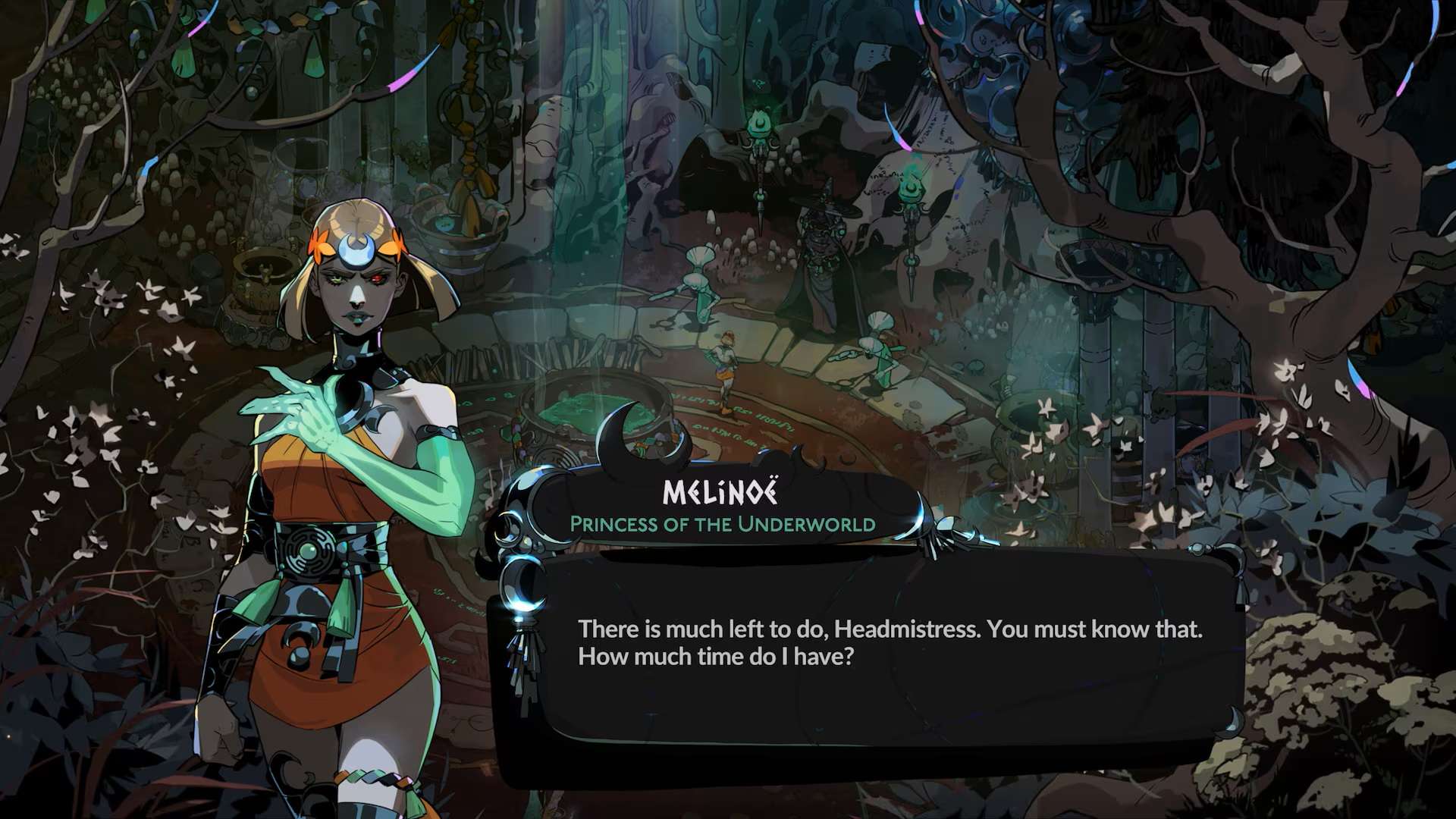
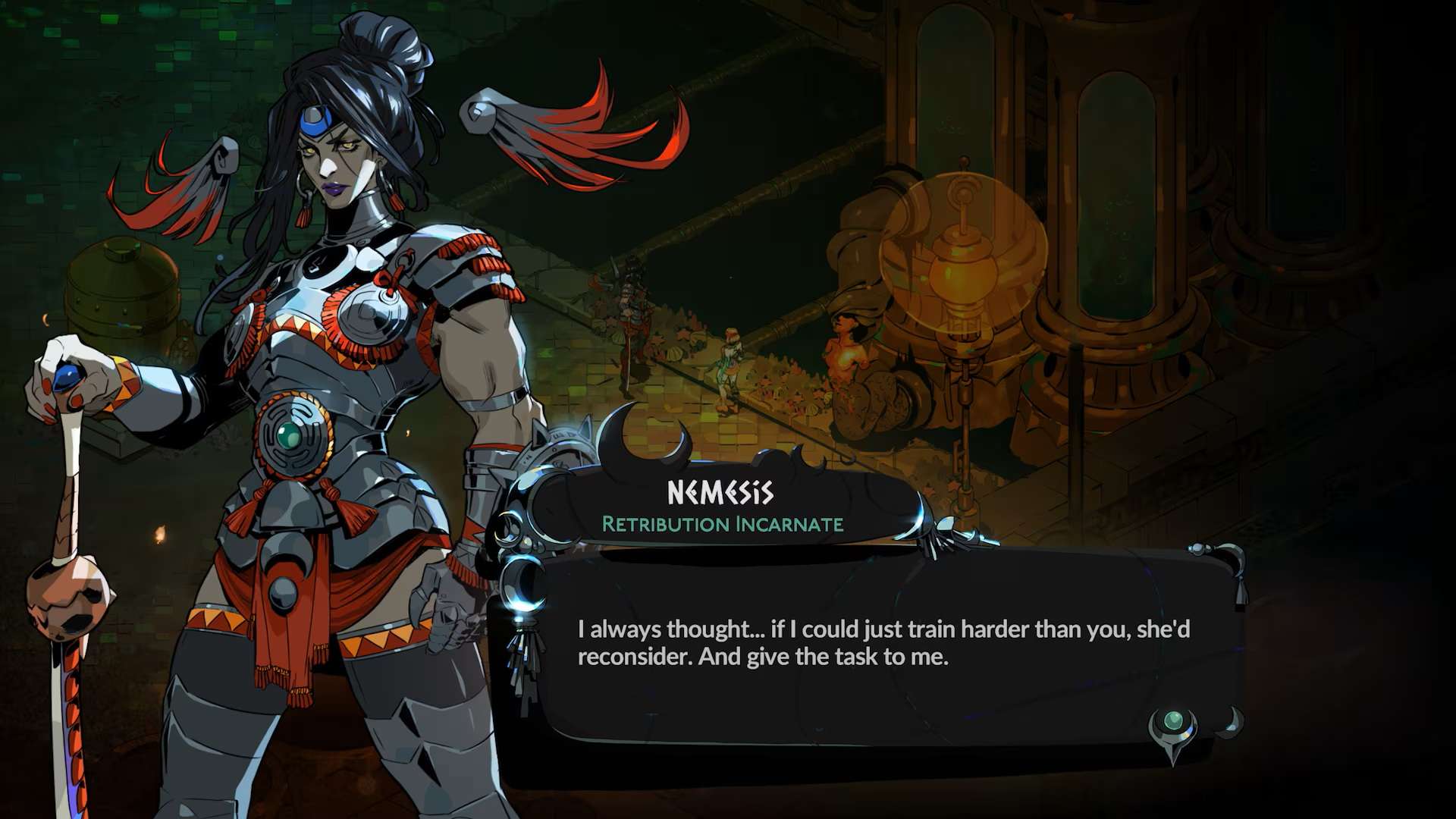
Hades II continues Supergiant’s unique approach to storytelling, blending narrative progression seamlessly into gameplay. Melinoe’s journey is more focused and grounded than Zagreus’s, driven by duty and revenge rather than rebellion. This gives the story a slightly more serious tone, though it still retains the charm and wit the studio is known for. The sheer volume of dialogue, combined with the game’s ability to react to player actions, creates a sense of continuity rarely seen in the genre. Conversations feel purposeful, often reflecting recent events or player choices in subtle ways.
The reinterpretation of Greek mythology is once again handled with elegance. Familiar figures are presented in fresh ways without losing their identity, and the focus on witchcraft gives the game a distinct thematic angle. While the overarching plot may not be filled with constant twists, its integration with gameplay ensures it remains engaging throughout.
At its core, Hades II retains the gameplay loop of its predecessor, where you enter a zone, defeat enemies, choose a reward, and push forward until defeat inevitably sends you back to the hub. What distinguishes it is how much more layered and flexible this loop has become.
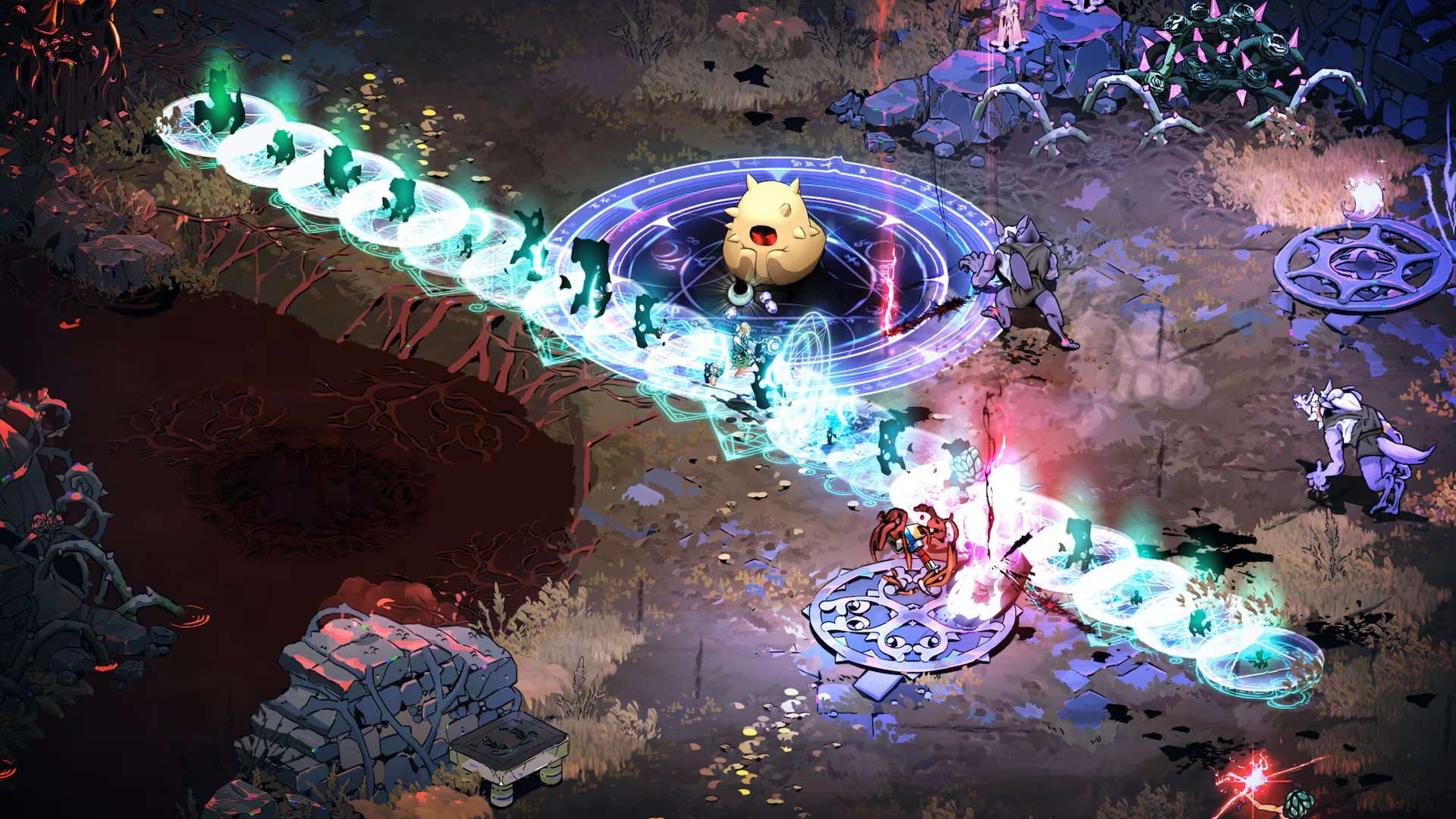
Melinoe plays very differently from Zagreus. Her combat design leans heavily into magic, introducing a mana system that fuels charged attacks and abilities. The addition of a persistent spell circle, used for crowd control and debuffs, reshapes encounters as enemy density increases. Combat is more technical as a result, asking you to manage positioning, timing, and resource usage rather than relying purely on reflexes. Despite this added complexity, the action remains fast and responsive. The game encourages players to utilize all available tools rather than relying on a single strategy. This design philosophy is reflected in how quickly abilities recharge and how naturally different mechanics mesh during combat.
Weapon variety is another standout element of Hades II, with each introducing distinct mechanics and playstyles. Once weapon Aspects are unlocked, they significantly alter how those weapons function. This ensures that runs feel meaningfully different depending on your build, rather than just cosmetically varied.
In terms of progression, each run contributes to resources, narrative progression, or new systems, and failure rarely feels wasted. The Arcana system introduces a flexible card-based approach, allowing players to tailor builds within a resource limit, adding meaningful decision-making before a run even begins. Divine boons remain important during runs, and their sheer variety also stands out. There is rarely a single optimal path, and you’re encouraged to experiment with multiple builds. The game strikes a careful balance between RNG and control. The element of luck still plays a role, but you’re given enough tools to steer your build in the intended direction.
Much like the combat, the base hub has also received an overhaul. Crafting systems, resource gathering, and unlockable upgrades add another layer to progression, though some upgrades require substantial resource investment.
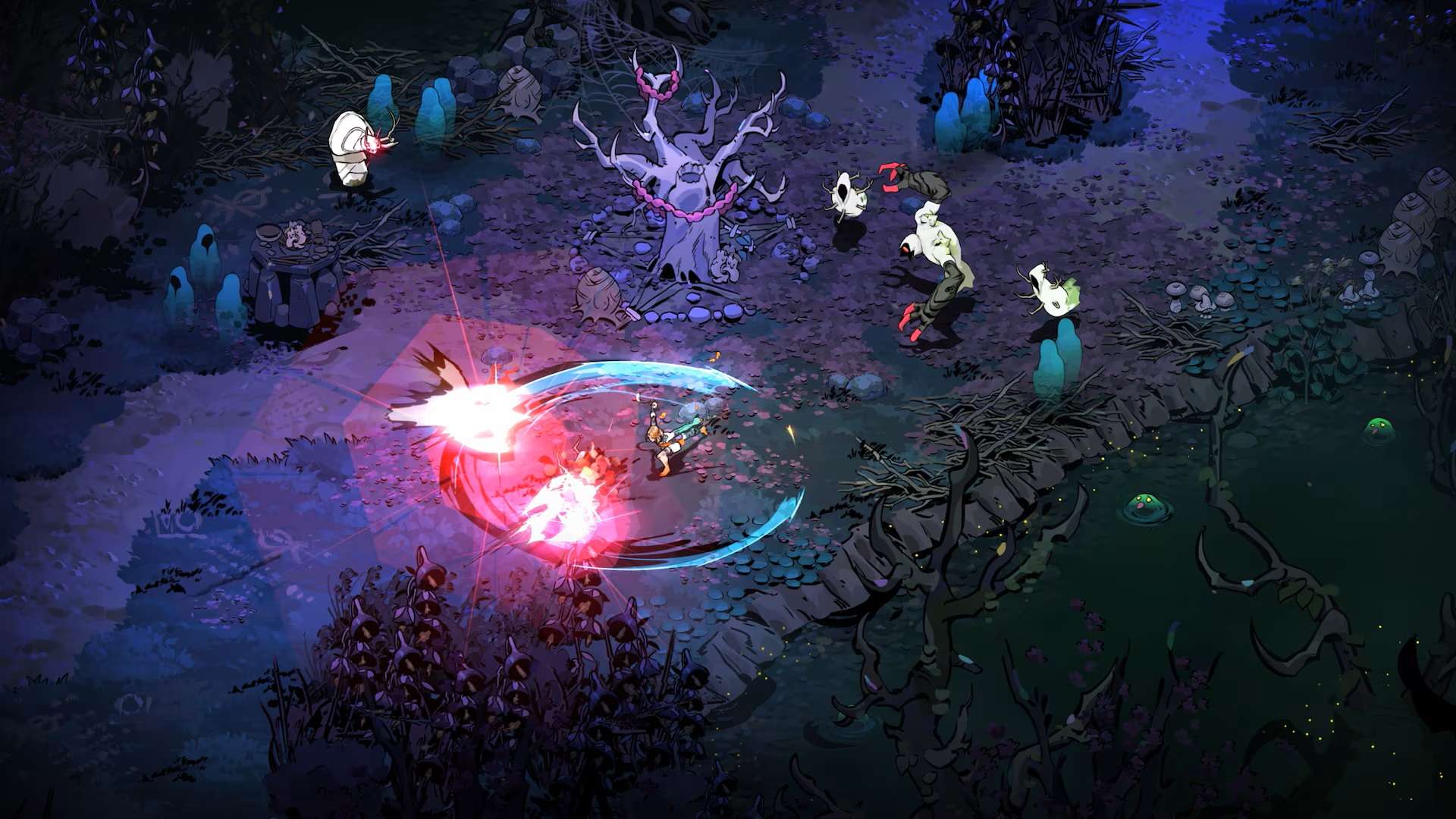
One of the most meaningful additions is the dual-path level structure. Players can choose between descending into the Underworld or pushing toward Olympus, each offering unique biomes, enemies, and bosses. The Olympus route, in particular, introduces new mechanics and challenges that force players to rethink the conventional approach. This helps avoid the repetition that can affect lengthy roguelike sessions.
The combination of multiple progression systems, diverse builds, and branching paths ensures that no two runs feel identical. Even after dozens of hours, new dialogue, upgrades, and challenges continue to surface. Endgame systems further extend longevity by allowing players to increase difficulty and modify encounters.
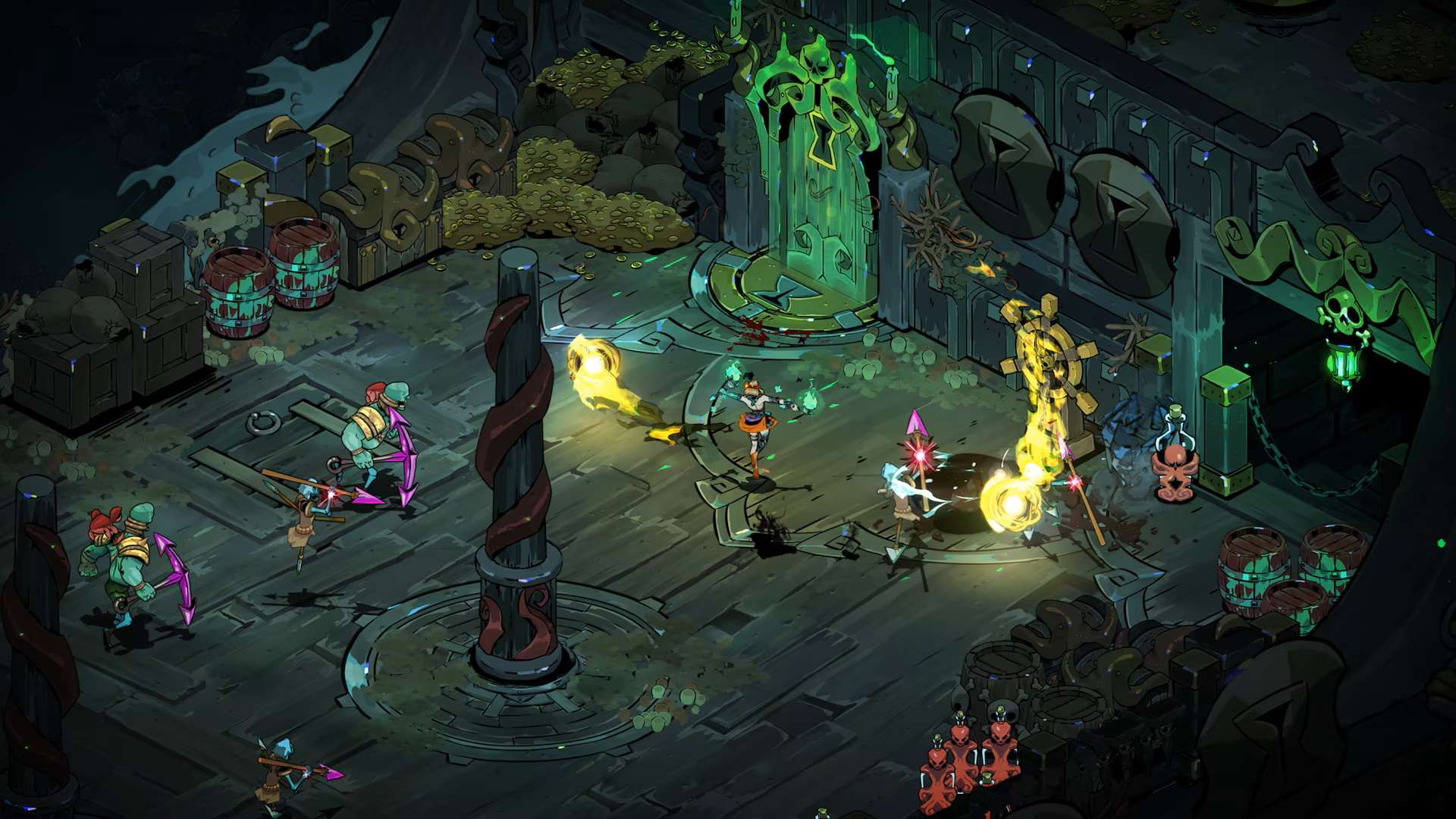
Hades II excels in the visual department, with character portraits that are rich with detail and personality as well as environments that are vibrant and varied. The soundtrack shifts seamlessly between atmospheric and intense, complementing both exploration and combat.
On PS5, Hades II runs at a fluid 120 fps on supported displays, making combat feel all the more smooth and responsive. The DualSense controller enhances immersion through subtle haptic feedback during combat and interactions, and through resistance on adaptive triggers when performing certain actions like casting spells or executing weapon techniques. Additionally, the light bar changes color to match active Olympian boons.
Hades II doesn’t reinvent the wheel, but it builds upon its predecessor with confidence. While it may not carry the novelty of the original, the added depth in combat, progression, and world design ensures a meaningful evolution.
Hades II Game Information
- Price: $29.99
- Publisher: Supergiant Games
- Developer: Supergiant Games
- Platform: PS5 (Reviewed)
- Disclaimer: A review code was given by the publisher