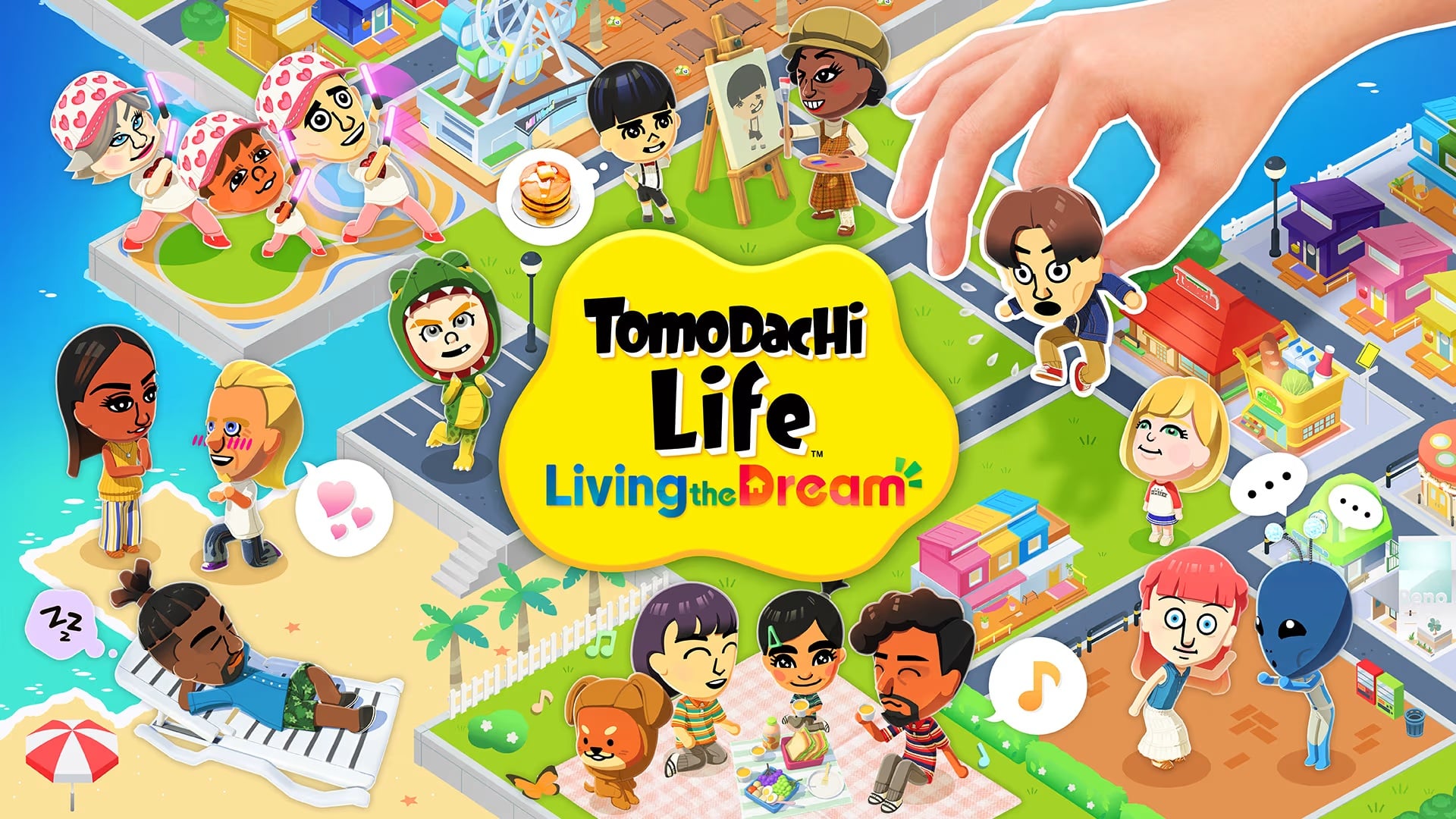
Tomodachi Life: Living the Dream is my first introduction to this weird, quirky, and humorous social simulator, which has just been released on the Nintendo Switch. While the game doesn’t offer a Switch 2 upgrade like a native title, it still runs quite well on Nintendo’s current hardware, with the ability to render at 1080p in handheld mode.
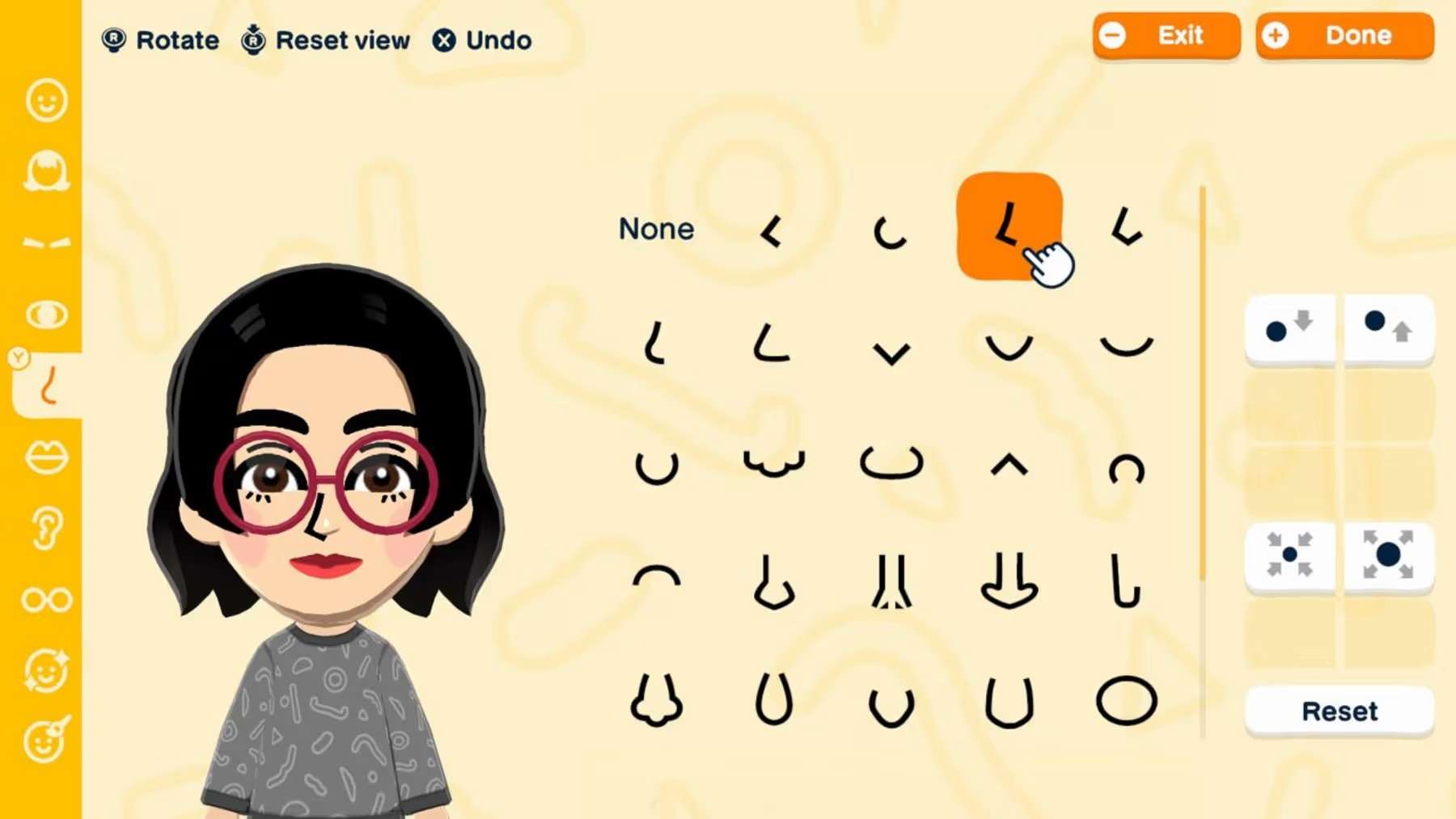
Tomodachi Life: Living the Dream is a hard game to recommend to someone who has never spent time with the series. It is built around creating custom characters, modeled and shaped by the player, known as Miis for those familiar with Nintendo since the Wii era. These Miis are highly customizable, with plenty of features to tweak, and they can also be imported from Switch user profiles if you have already created one. Other games have used Miis too, such as Miitopia and Switch Sports, so Tomodachi Life is not the first to use them in this way.

The core gameplay loop revolves around creating and managing a population of Miis on an island. The game takes its time to open up, first letting the player set up a Mii, either by creating a new one or importing an existing one, and then refining their personality and traits. The Mii is then placed on the island to live its own life, while more Miis are introduced later. The relationships between different Miis are all defined by the player, and it is quite possible to have your own family living and breathing in this virtual world.
The game has a unique hook that can become quite addictive. While it works as a sandbox experience and offers life simulation gameplay, it also introduces several needs for each Mii, such as happiness and health. The island starts off with a single building and one Mii, but gradually grows into something much bigger. One of the highlights is how the game follows real-world time, making it feel like a proper virtual world as you observe and interact with the Miis. They can even age in real time if the player chooses, which is a very unique touch.
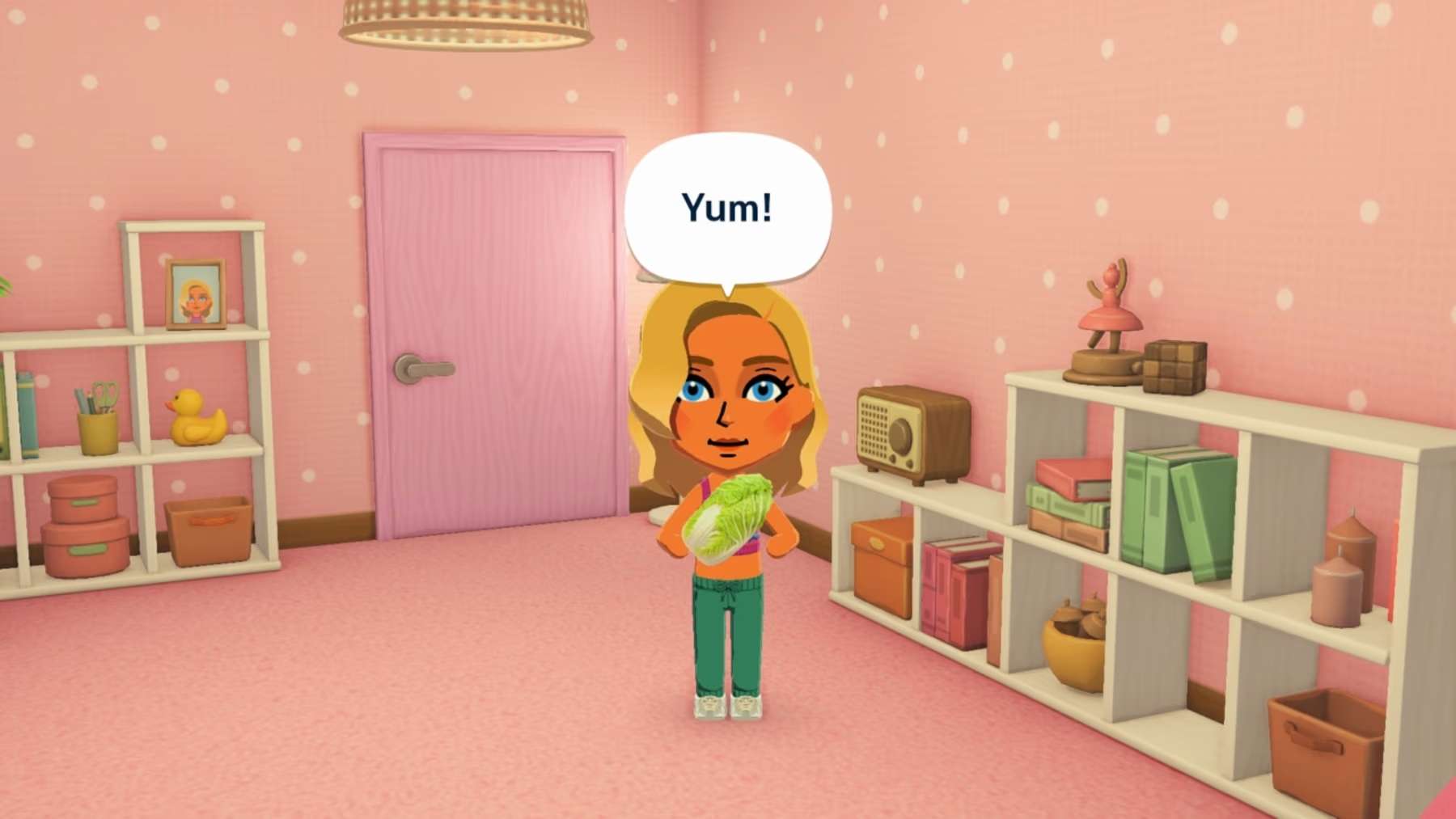
As a game shaped entirely by the player’s experience, there is no real narrative to speak of. Everything that happens, including events and interactions, depends on how the Miis interact with each other. There are so many possible scenarios based on different dynamics that it is hard to pin down what actually happens. That said, one thing I really liked was the quirky humor. Nintendo sometimes mixes in real-life gags, with Miis interacting with real-world objects and even the player’s hands guiding certain actions, which makes it feel like the game is breaking the fourth wall.
The humor will not work for everyone, but it worked for me. I am probably more used to something like Takeshi Castle and its quirky style, so I enjoyed the strange and often hilarious interactions in Tomodachi Life: Living the Dream. This approach is a double-edged sword, though. While some players may find it entertaining, the lack of a clear endpoint means the experience depends entirely on how invested the player becomes in this world.
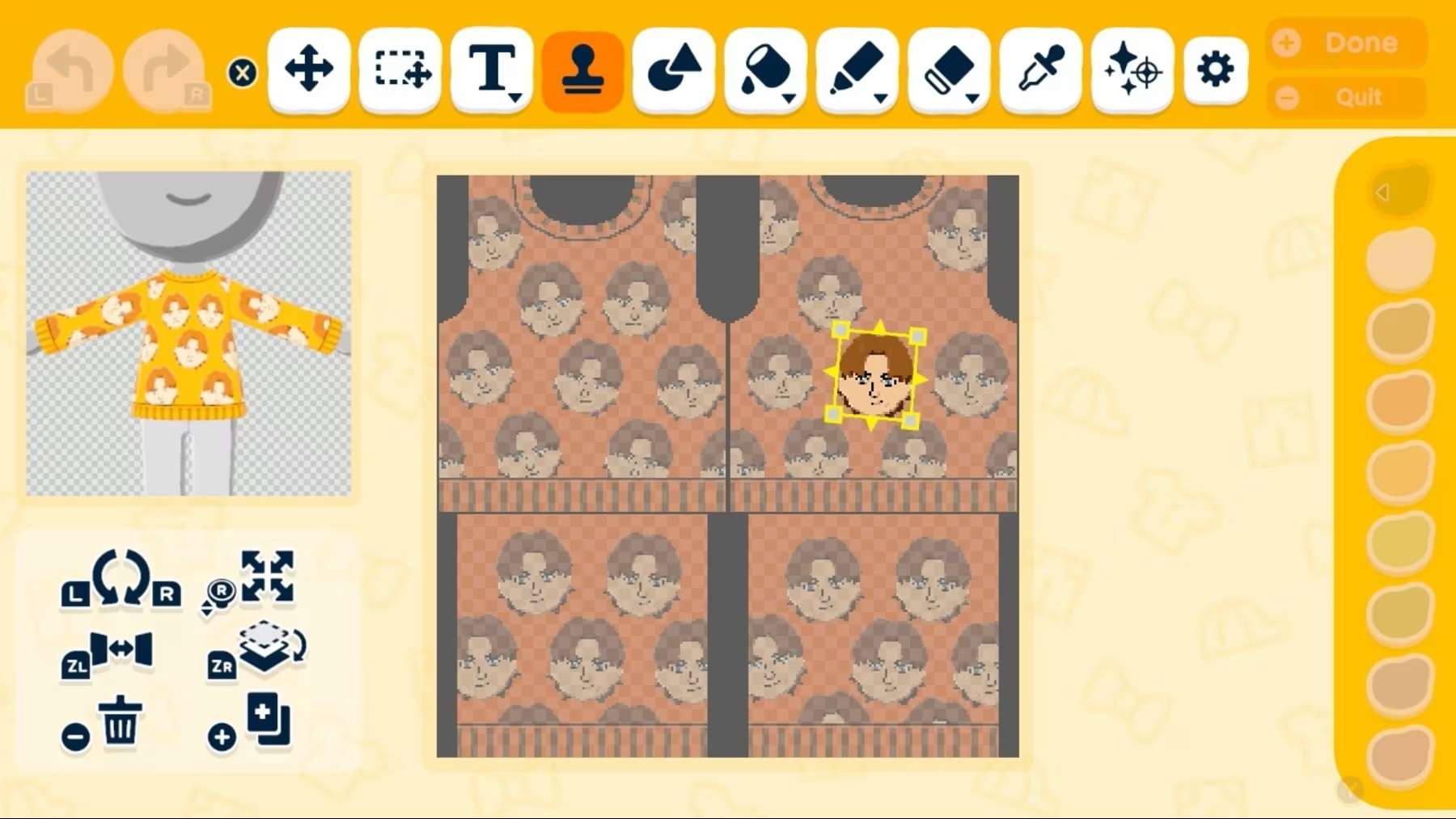
One of the quirks of this social life sim is that you get to watch your created Miis live their lives while you take care of their needs. While I have not played the earlier Tomodachi games, this one offers many ways to interact with the Miis. You can give them gifts, touch and play with them, customize their clothes and appearance, and provide them with items and food, among other things. Even with all these options, the gameplay loop eventually becomes repetitive, which can dampen the overall experience. Again, it depends on how invested you feel in the world. To be honest, you can create your entire family in the game and watch them live a virtual life, which can be satisfying to a certain extent, even if it sounds a bit unusual.
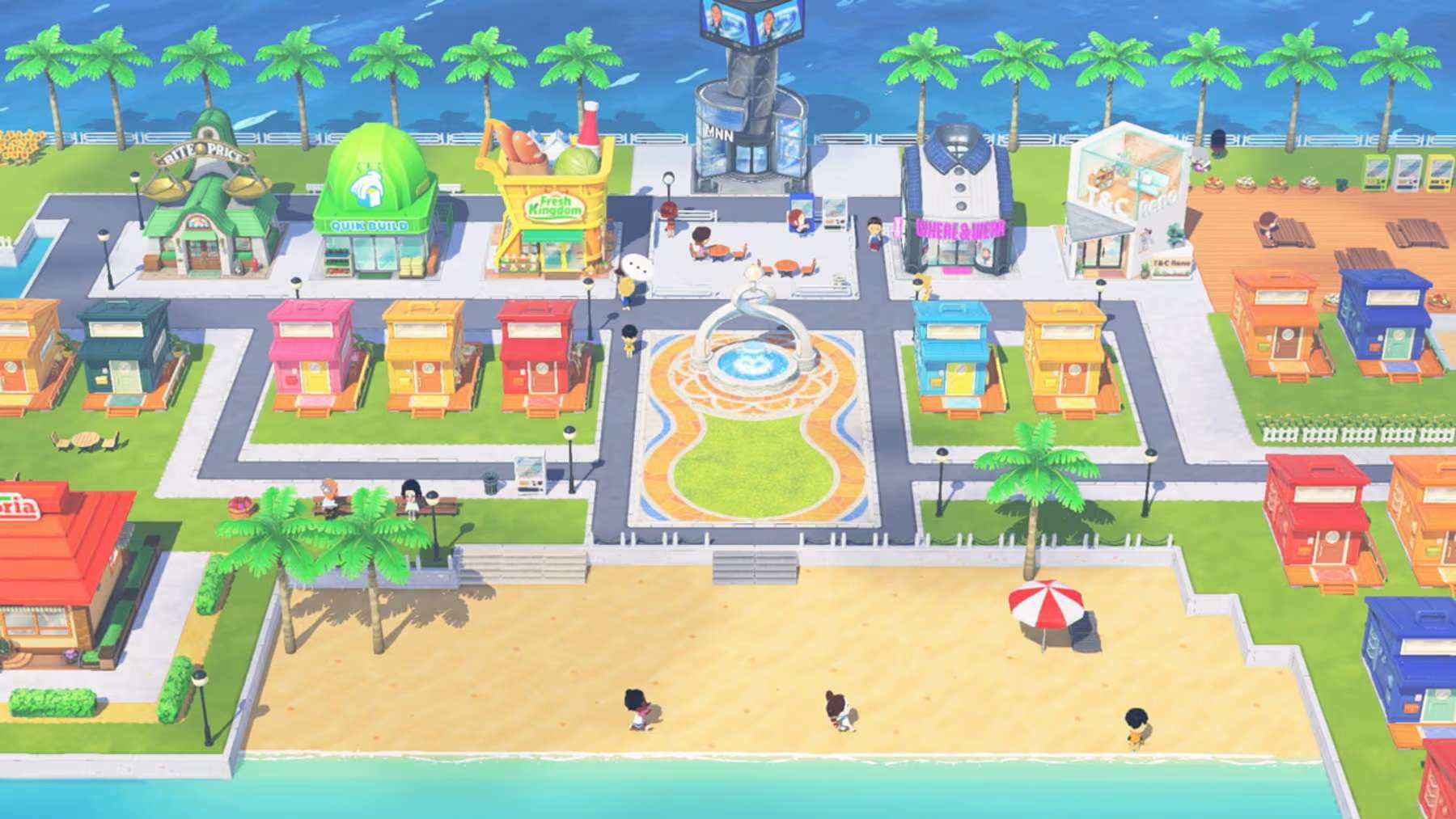
In terms of presentation, I was initially skeptical about the game being a Switch 1 release, but playing it in handheld mode on the Switch 2, the visuals feel well done. The art style fits the universe nicely, and the overall design matches the Mii aesthetic. Replay value depends on how much you enjoy this type of gameplay and whether you want to start over on a new island. I did not run into any major issues on the Switch 2, although moving between locations could be faster.
Overall, if you are interested in this kind of social sim, trying the demo is a good starting point. As a newcomer, I found myself fully invested in the world, managing a virtual family made up of my Miis and enjoying their interactions. It is not a perfect game, as it can become repetitive and lacks a strong narrative hook, but its portable nature makes it well-suited for short play sessions.
Tomodachi Life: Living the Dream Game Information
- Price: $59.99
- Publisher: Nintendo
- Developer: Nintendo EPD
- Platform: Switch 2 (Reviewed)
- Disclaimer: A review code was given by the publisher