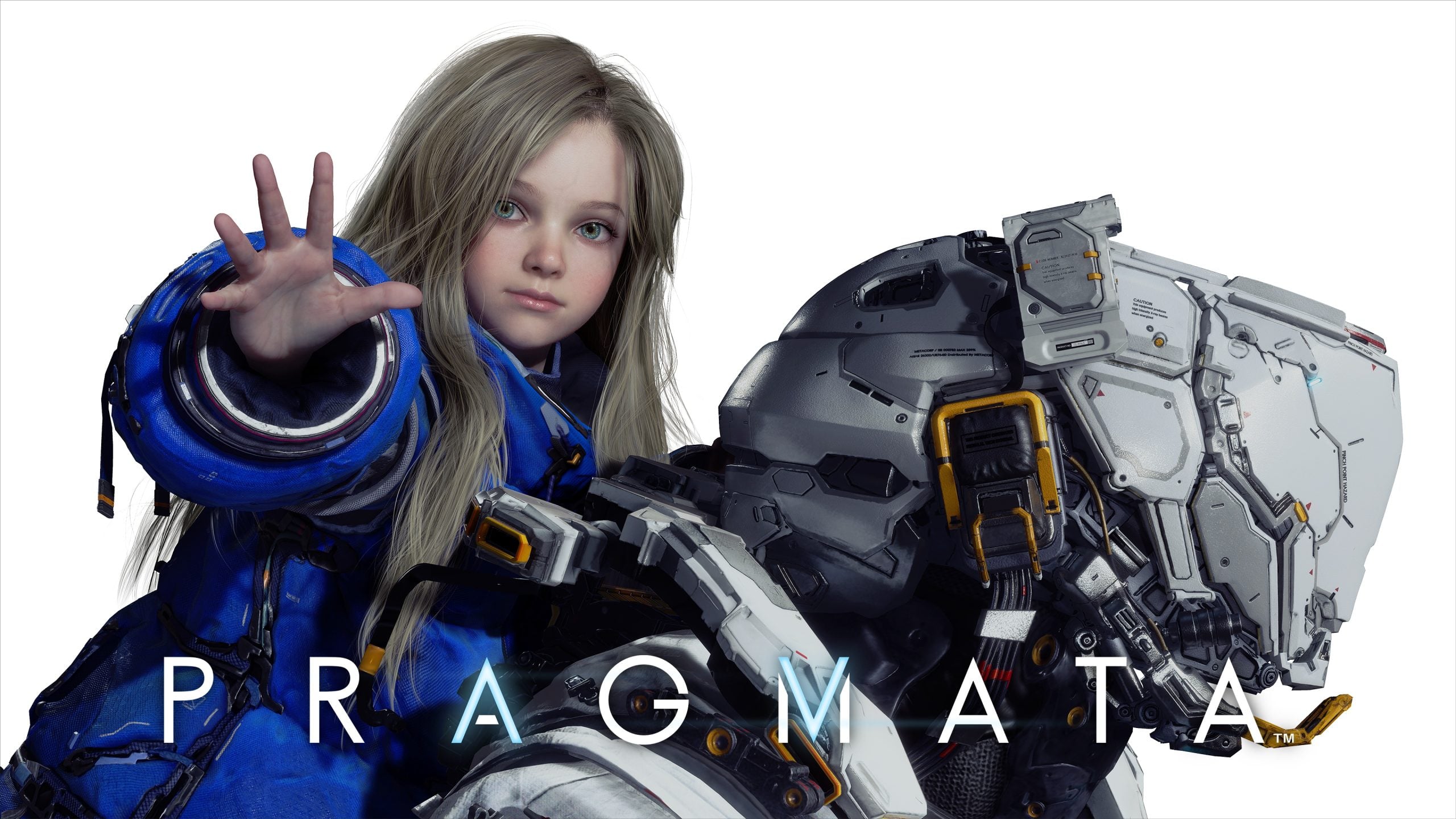
Pragmata is a brand new IP from Capcom, who are coming into this game riding the high of Resident Evil Requiem, a critically acclaimed release. It is a game that has been in development hell for a while and even went through a reboot at one point, until the developers were confident enough to show it. The final product not only establishes this IP successfully but also sets several benchmarks.
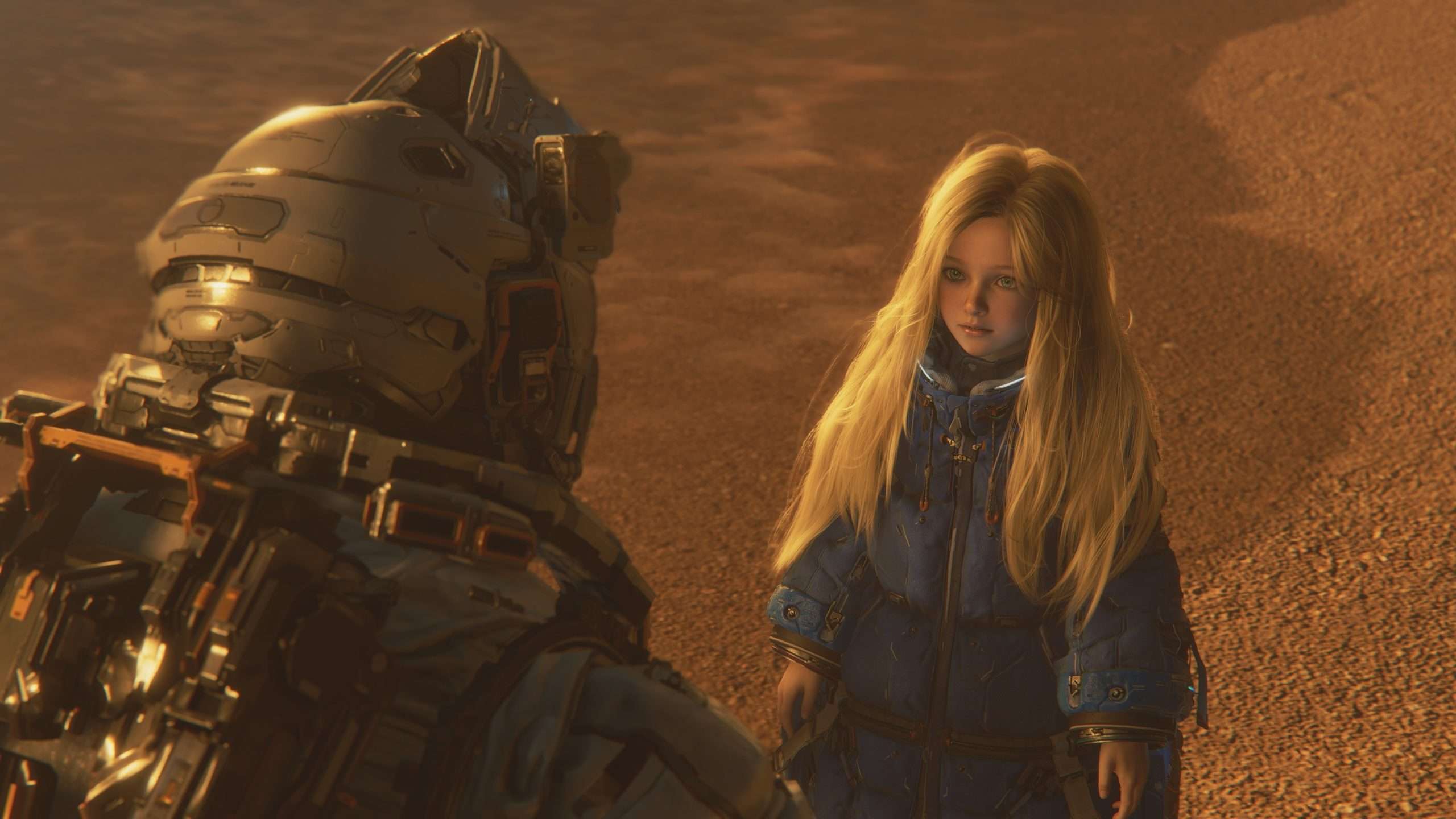
Pragmata’s story at times feels like the premise of a sci-fi movie. It revolves around Hugh Williams, an astronaut who arrives at the lunar space station with a crew of others, but soon finds trouble brewing as a rogue AI named IDUS appears to have taken control. This leaves Hugh in survival mode as he tries to navigate the station’s complexities and restore some sense of normalcy. Along the way, Hugh meets a humanoid robot girl named Diana, who can hack the rogue robots on the station. While Diana has no memory of her past, she soon becomes like a daughter to Hugh, and the game places a lot of emphasis on this father-daughter bond, which forms the emotional core of the story.
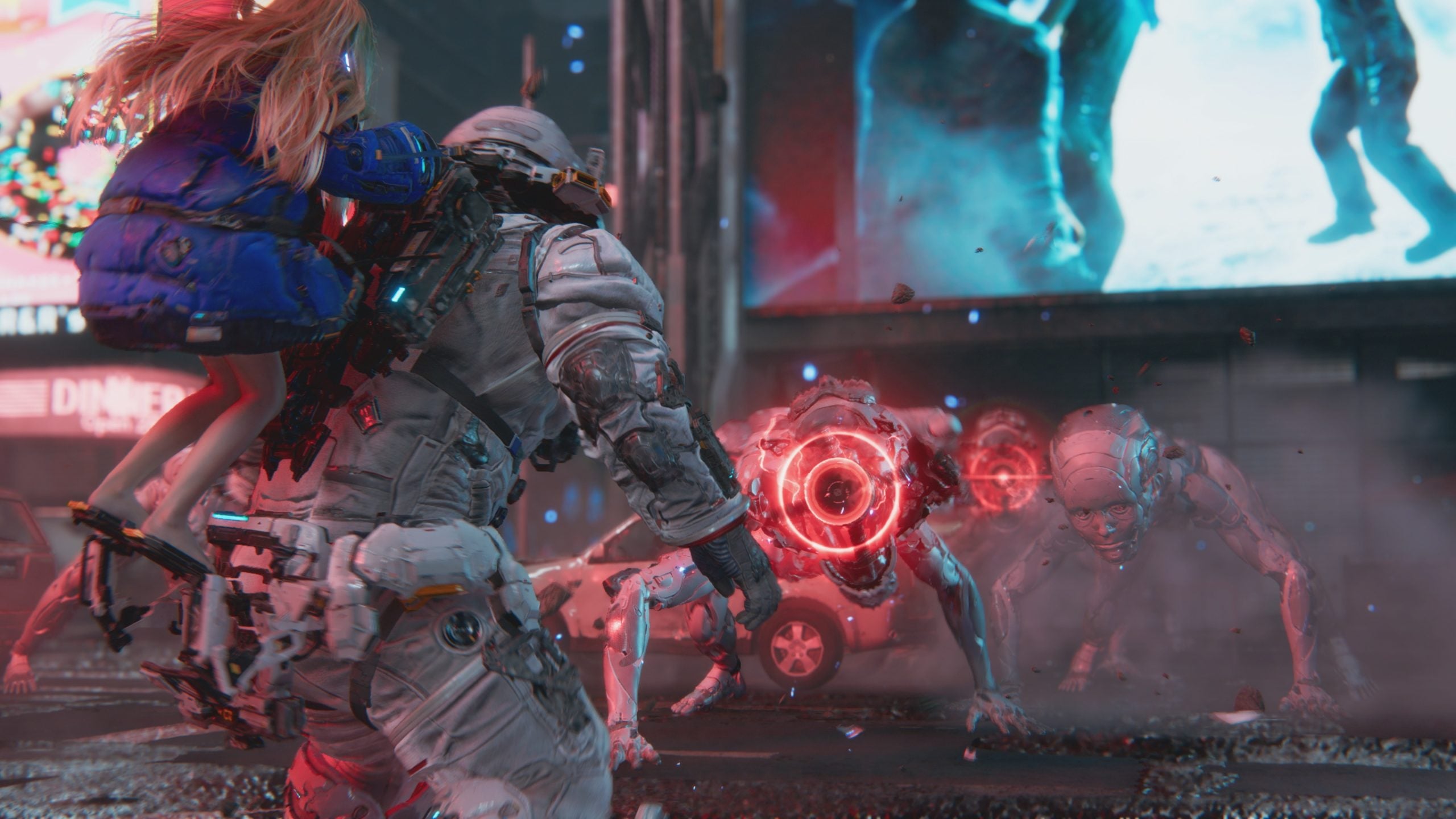
While Pragmata’s premise is written well, it unfortunately suffers from the same issue as many B-grade sci-fi movies, which is that its story falters on a larger scale, with familiar tropes repeating from other entries in the genre. The central theme revolves around finding out what happened at the lunar space station and how to escape it, but the bond between Diana and Hugh really elevates it. The game even incorporates these elements into the gameplay, with a central hub that has toys and exhibits for Diana to enjoy while Hugh comments on her behavior and acts like a teacher and father figure.
The pacing of the story is gradual, with most of the characters and their motives hidden behind a mystery that slowly unfolds. However, the villain is underwhelming and lacks a clear identity, which makes it harder for the player to form a strong connection to the story. On the other hand, the character dynamics and interactions are easily a highlight. The game also feels relevant due to the recent rise of AI, and its themes reflect some of those concerns. There is also a good amount of lore scattered throughout the world in the form of logs and readable texts.
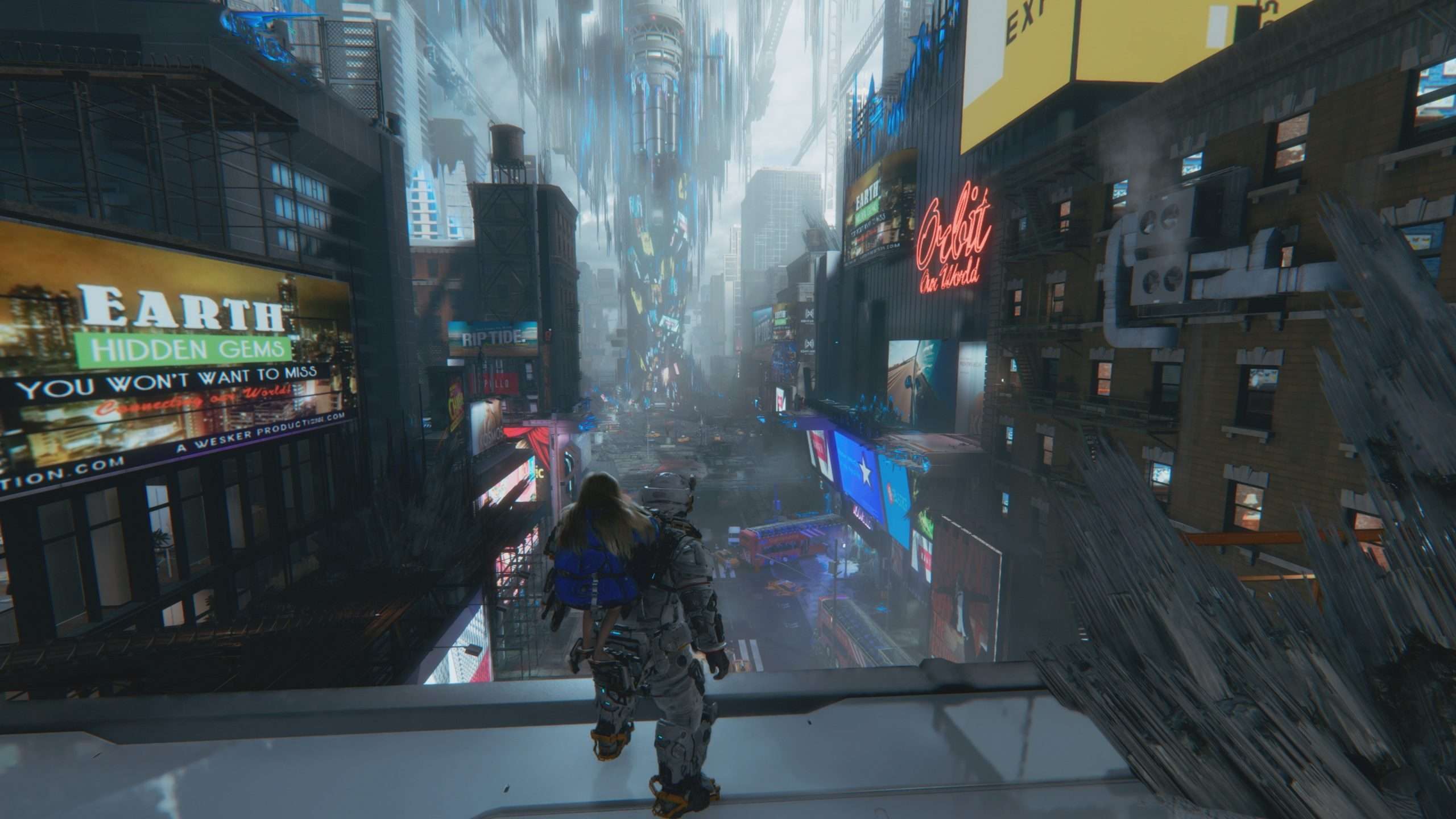
When I first saw Pragmata’s gameplay, I felt like it would be a tough sell. How do you mix action with puzzles and keep players engaged? Well, Capcom has managed to nail the design. I was already a fan after finishing the demo, but the final product has much more to offer, to the point where the demo barely scratched the surface. The core gameplay revolves around a hacking puzzle that must be completed for every enemy encounter. It is a minesweeper-style tile puzzle where the player moves from point A to B while interacting with grids that have specific properties. All of this happens while the player is aiming at the enemy, with Diana acting as the hacking agent on Hugh’s back.
The gameplay is exciting, even if it might sound dull in theory. Hacking enemies while simultaneously dodging their attacks forms a core part of Pragmata’s combat. Diana and Hugh also gain upgrades that enhance their abilities and open up more ways to deal with enemies. The game keeps introducing new systems that build on existing mechanics, such as Nodes, which add different effects to the grid that then carry over to enemies. These have limited uses, along with a limited set of weapons that balance both offense and the technical side of combat. The puzzle-based hacking continues to evolve depending on the enemy, which helps keep things fresh. While a basic pistol with unlimited ammunition but limited capacity is sufficient in most situations, heavier weapons have limited ammo, requiring players to think more strategically.
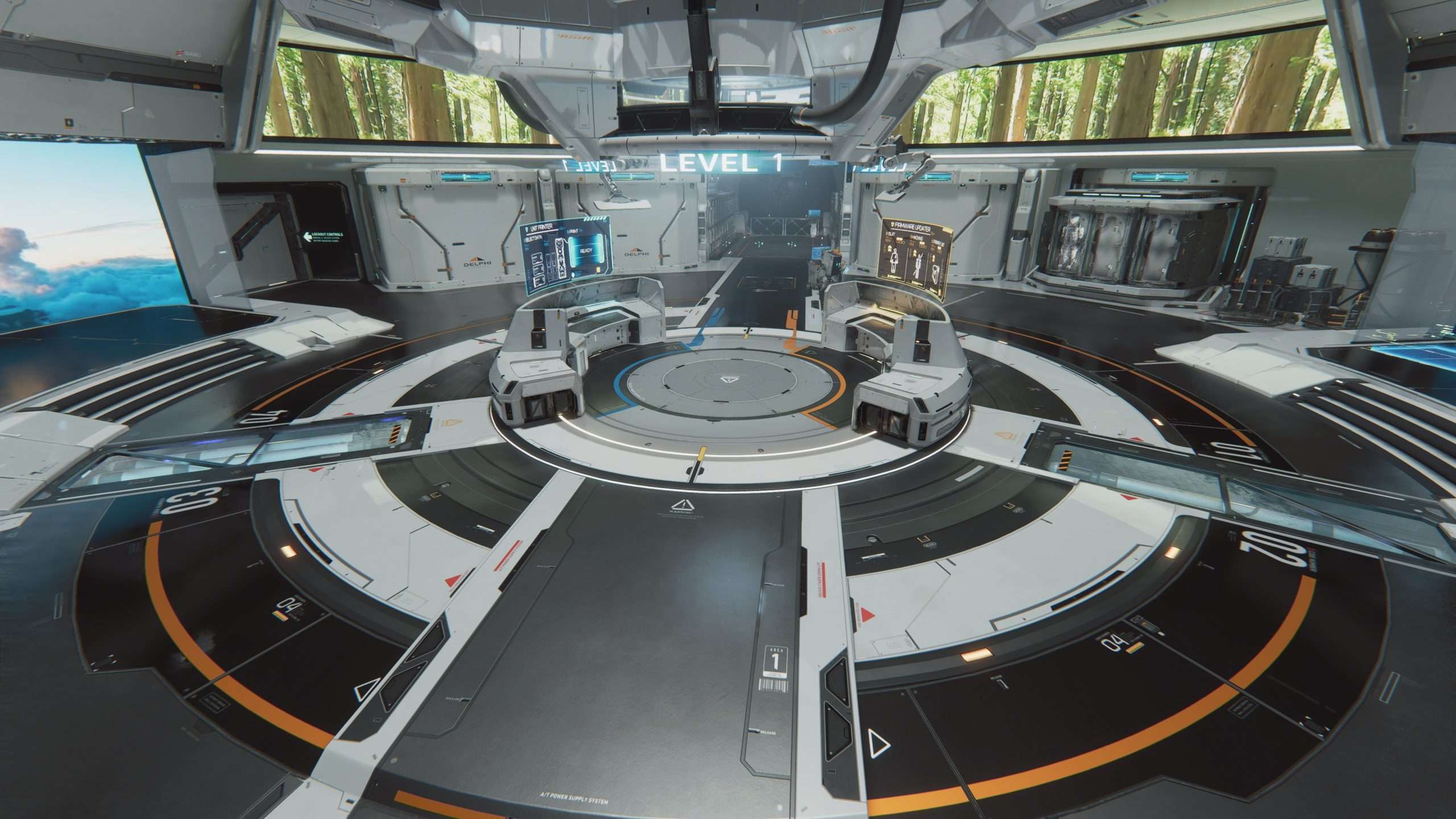
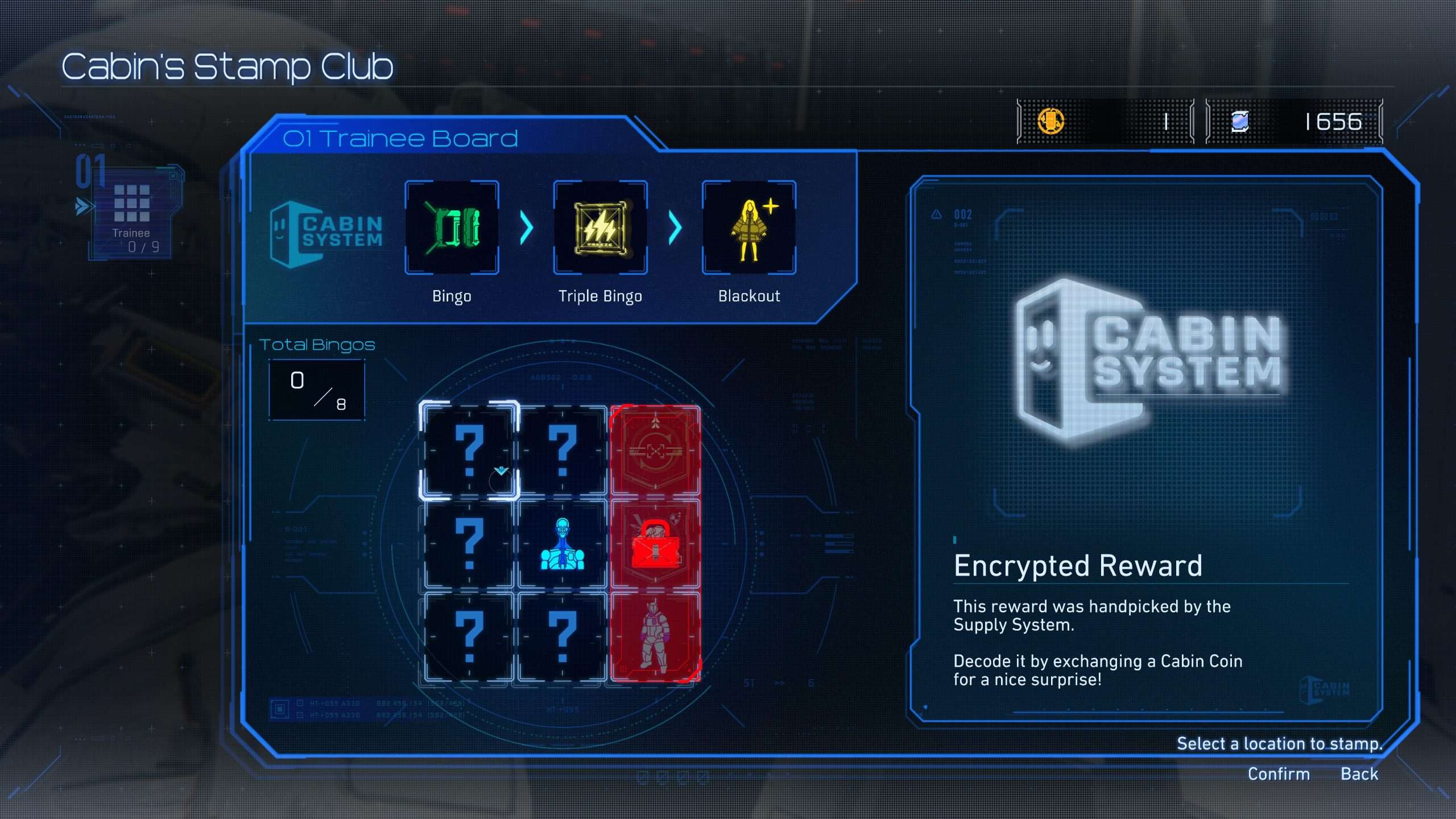
What I really enjoyed about Pragmata was how much it rewards exploration and upgrades. Even outside of the core combat, there are plenty of secrets to discover, with collectibles scattered throughout each stage that are often hard to find. Some of these require tight maneuvering and platforming to reach, which adds to the fun. The game blends platforming with combat well and gives off the feeling of experiencing a classic sci-fi movie. The visuals are also among the best on the PS5 Pro, with full ray tracing support and very crisp image quality.
I also tested the game extensively on PC and was pleased with how well it runs across a wide range of hardware. Even the Steam Deck can deliver a playable experience, although the later sections, especially wide open areas, tend to struggle more compared to the earlier, more linear parts of the game. Path tracing on PC really stands out, with more natural lighting, shadows, and reflections that enhance the overall experience. The PC port includes all the expected modern features, including upscaling, and scales well on high-end systems with path tracing support. It is also less demanding overall than Resident Evil Requiem, making it a strong PC port.
Pragmata is a memorable new IP from Capcom, showing their strength in game design. It introduces a combat system that feels fresh for a third-person shooter, along with a satisfying progression loop that encourages quick thinking and strategy. It easily ranks among my top games of the year and stands as a strong contender for game of the year.
Pragmata Game Information
- Price: $59.99
- Publisher: Capcom
- Developer: Capcom
- Platform: PS5, PC (Reviewed)
- Disclaimer: A review code was given by the publisher