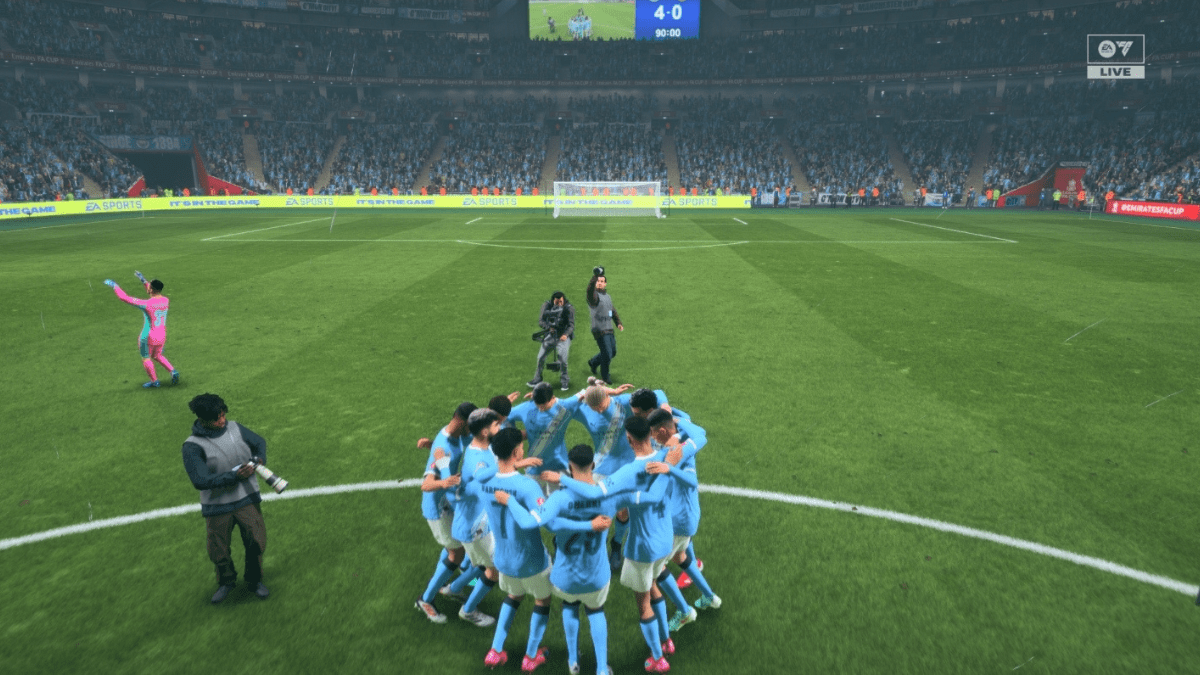
Football gaming rarely stands still for long. One week you’re adjusting to a fresh EA Sports FC update, the next you’re rebuilding a Football Manager side around a player who has suddenly become impossible to ignore in real life. Then eFootball drops new content and the group chat is full of debates about passing, player movement and whether that one formation has finally been figured out.
That’s the joy of it, really. Football games don’t exist in a vacuum. They borrow from the real sport, react to its stories and, in turn, give supporters a way to test out their own ideas. A busy fixture list, a major rivalry or a change in a manager’s approach can become the starting point for a brand-new save by Saturday morning.
Here’s what’s shaping the football-gaming conversation this weekend.
The week’s football talking points
EA Sports FC, Football Manager and eFootball approach football from rather different angles, but all three rely on the same thing: making the sport feel alive.
For EA Sports FC players, the usual focus is on gameplay tuning, squad changes and the way live football feeds into modes such as Career Mode and Ultimate Team. A minor adjustment to passing, defending or goalkeeper positioning can completely change the feel of a match. You’ll spot it most in tight games, where a misplaced through ball or a centre-back stepping forward at the wrong moment can decide everything.
The latest FC cycle has also kept the discussion around ratings going. Ratings are never merely numbers to football fans. They become an argument about form, reputation and what a player actually does on the pitch. Is a winger being judged on raw pace, end product or work without the ball? Does a midfielder’s overall rating reflect their ability to receive under pressure? There’s always a case to make.
Football Manager players have their own version of this conversation. The database is the game’s living centre, and the smaller details matter enormously. A player’s preferred foot, hidden consistency, positional familiarity or willingness to press can change whether they become the key figure in a save or spend a season on the bench.
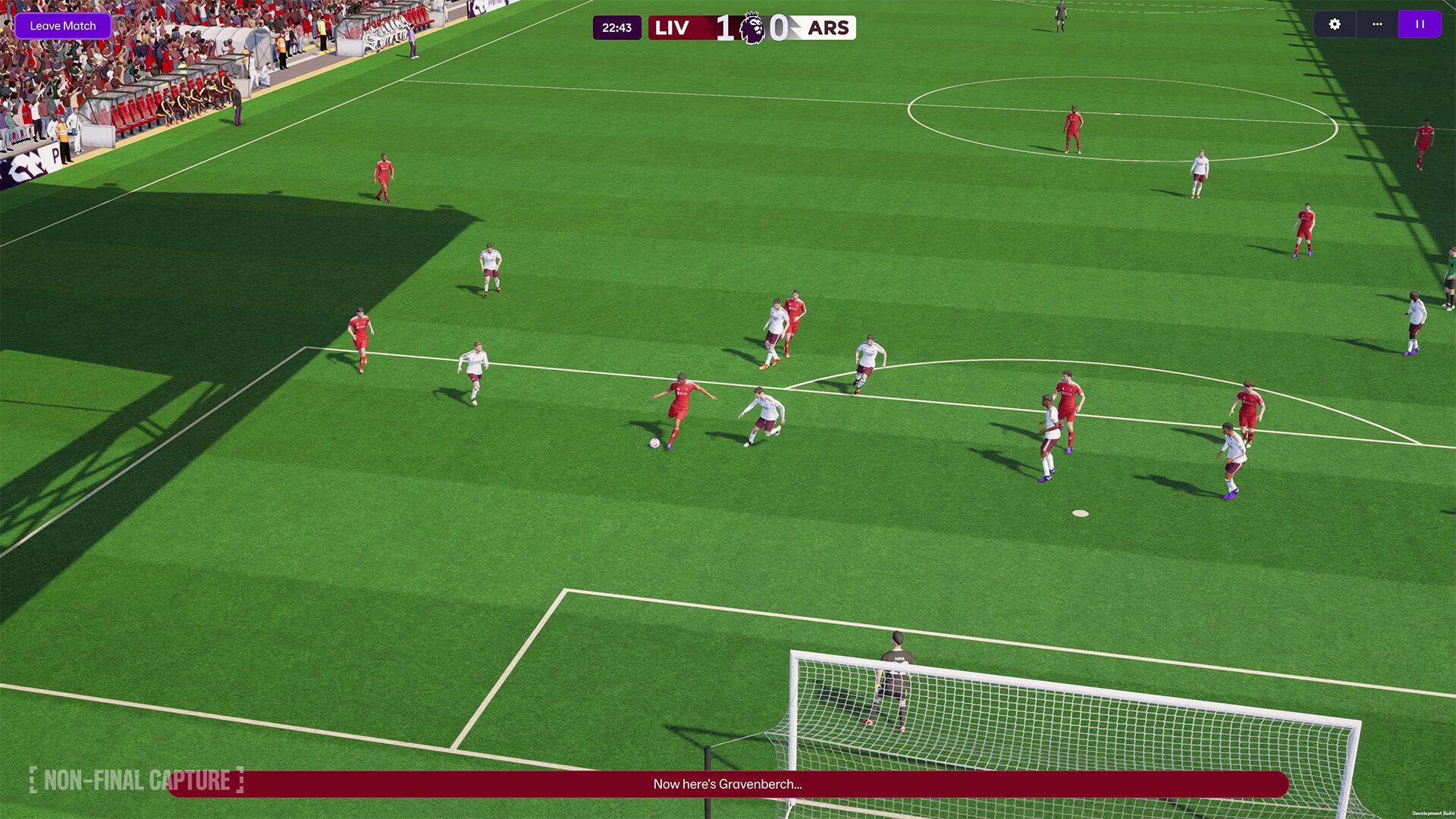
That’s why news from the real game tends to send managers straight back to their tactics screen. A young full-back putting in another impressive display might prompt you to scout them. A team changing shape in a big match may make you reconsider your own 4-3-3. It’s not copying for copying’s sake. It’s about asking, “Could that work with the players I’ve got?”
Meanwhile, eFootball continues to occupy its own space through its emphasis on player control, timing and squad building. Konami’s official overview highlights options including Authentic Team and Dream Team, which neatly sums up the split in how people play: some want familiar clubs and recognisable systems, while others enjoy experimenting with a personalised squad.
Small tactical changes can have a wider effect
Patch notes often look dry at first glance. A few lines about responsiveness, defensive positioning, animation transitions and stability hardly sound dramatic. Yet anyone who plays regularly knows a small change can alter an entire routine.
Perhaps your usual pass into the striker’s feet is now intercepted more often. Maybe the goalkeeper holds a low shot instead of pushing it straight back into danger. Or maybe defenders track runners more reliably, meaning that one long-standing route to goal suddenly needs a rethink.
When an update lands, it’s worth taking a measured approach before declaring your favourite setup ruined.
A sensible way to assess a tactical change
When assessing a tactical adjustment, look for these points across several matches:
- Keep your formation the same at first
- Pay attention to repeated patterns
- Use a familiar side or squad
- Experiment in smaller steps
- Read community feedback with a pinch of salt
Community discussion is part of the entertainment, of course. One player might feel that attacking has become too direct, while another is delighted that patient build-up is more rewarding. Neither is necessarily wrong. It often depends on the mode, team and tactical style they favour.
In Career Mode, patches can also prompt a return to the squad planner. If defensive recovery feels sharper, perhaps a slower centre-back pairing is no longer such a concern. If quick combinations around the box are more effective, a technical number 10 may become more valuable than another wide forward.
The tactics desk: lessons from the real game
This is where football gaming gets especially satisfying. Watching a real match and then trying to recreate its broad ideas in Career Mode or Football Manager is a brilliant little weekend project.
You don’t need to mirror every detail. In fact, trying to copy a formation exactly can lead to frustration. The shape you see on television may be only the starting point. A 4-3-3 can become a 3-2-5 in possession, while an apparent 4-2-3-1 may defend more like a 4-4-2.
The question is not, “What number is written beside the formation?” It’s, “What are the players being asked to do?”
Understanding a real-world system
Let’s say a side uses an attacking full-back who moves inside, while the winger stays wide. In Football Manager, you could aim for the same effect with:
- A full-back or wing-back asked to invert
- A wide player instructed to hold width
- A holding midfielder who protects the space left behind
- A centre-back comfortable carrying the ball forward
- A central midfielder arriving later around the penalty area
The roles need to fit the squad. That point is easy to overlook. An inverted full-back without the passing, anticipation and positioning for it can turn a clever idea into a string of awkward turnovers.
Similarly, if you admire a team pressing high after losing possession, don’t simply raise every line and hope. Look at whether your forwards have the work rate, stamina and team discipline to sustain it. If they don’t, a mid-block with targeted pressing can give you a more believable result.
Career Mode is about profiles, not just overall ratings
Career Mode encourages us to look for the headline rating, but player profiles tell the more useful story.
For a high defensive line, you’ll usually value:
- Recovery pace in central defence
- A goalkeeper comfortable leaving their area
- Midfielders who can cover wide spaces
- Full-backs with the energy to get up and down
- A forward line able to press together rather than individually
For a possession-heavy team, it may be more about composure, short passing, ball control and the ability to receive while marked.
Transfers become more interesting when you recruit for the role rather than the name. You might not need another celebrated winger. You may need someone who can protect the ball, combine in narrow areas and make the unglamorous run that opens space for others.
I find that this makes a save last longer. A signing feels earned when they solve a footballing problem, rather than simply making the starting XI look more impressive.
How fixtures and rivalries shape football discussion
Upcoming matches shape how people play football games more than we sometimes admit.
A major derby has a way of sending players back to their favourite club save. A European night prompts a tactical experiment with a cautious away setup. International tournaments turn attention towards national teams, overlooked leagues and players who might otherwise never enter your shortlist.
Fixture context also changes what we notice. If a side is due to face an opponent known for a compact defence, people start discussing low blocks, overlapping full-backs and the value of shots from distance. If the weekend brings a match between possession-focused teams, conversations move towards midfield rotations, pressing traps and who controls the centre.
That’s the brilliant overlap between watching and playing. The match gives you a question, then the game lets you try an answer.
Weekend football discussion ideas
For a fresh football discussion point this weekend, consider one of these ideas:
- Recreate a derby setup: Pick two rival clubs and play a short two-leg series with realistic squad choices.
- Build for a cup tie: Use a smaller club and focus on shape, set pieces and defensive discipline against stronger opposition.
- Copy one tactical principle: Rather than reproducing an entire team, try one idea, such as an inverted full-back or two forwards pressing as a pair.
- Run a tournament squad: Select a national side, choose a balanced 23-player group and make every role matter.
- Give an out-of-favour player a proper role: Find a squad member who rarely starts and build a system that suits their strengths.
The point is to keep the game connected to the football you’re watching. Not every experiment will work. Some will look splendid in theory and fall apart after ten minutes. That’s part of the fun.
Keep football discussion in perspective
Football gaming can be competitive, but it’s meant to stay enjoyable. Take breaks if a run of frustrating matches is getting under your skin, mute the noise if online debate becomes tiresome, and remember that a poor result in a save is often just a good excuse to rethink the plan.
For adults who also follow the real-world side of football beyond gaming, there are other ways to engage with the sport. Those interested in sports betting can find football markets and betting options at Bally Casino. This resource is intended strictly for adults aged 18 and over.
As with any gambling activity, it is important to stay within personal limits and make use of available safer-gambling tools where necessary.
There’s always another tactic to test, another squad to reshape and another fixture waiting to spark an idea.